Why I Love a School Book Swap
Hosting a book swap has become one of my favorite school-wide events to promote literacy, foster a sense of community, and just to see kids smile:
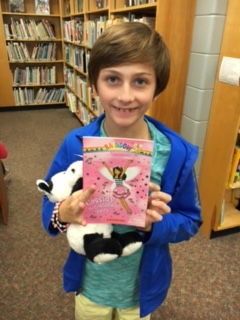
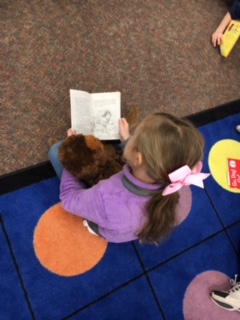
There are few things I love more than sending students home with a book they chose themselves. A school book swap is one of those activities that looks simple on the surface but can have a pretty big impact. I’ve seen some of the biggest smiles, students working together to find the perfect book for their friends, and the kindest students asking to take an extra for a sibling that doesn’t attend school.

There are so many reasons to consider hosting a book swap:
- Encourage reading and build excitement around books
- Give students access to books they may not have at home
- Help students experience the joy of choosing their own book
- Give families an easy way to pass along books they no longer need
- Create a school-wide literacy event without requiring a huge budget
- Be adapted for a classroom, grade level, school, or family event
WHO?
Get the entire school involved! Tip: Divide by grade levels
Consider:
- K–2 one day
- 3–5 another day
Or, if that’s not possible:
- One grade level in the morning
- Another grade level in the afternoon
This helps prevent the swap from becoming overwhelming and gives you more time to manage the books.
Who can donate?
Students, teachers, families, and community members can donate gently used books. I often have teachers who have found this to be a great time to clean out their class libraries.
Make it clear that:
- Students can bring more than one book.
- Students only take home one book during the swap.
- Students do not have to donate a book to participate.
Who helps?
Depending on the size of your event:
- School counselors
- Librarian
- Teachers
- Administrators
- Parent volunteers
- Student volunteers
- Book buddies/older students
WHAT?
What exactly is a school book swap?
This is such a simple and fun event! Students bring gently used books from home. On the day of the swap, students browse the donated books and choose one book to take home. (Don’t forget that local community agencies, families, teachers, etc. can also donate books- it doesn’t have to just be students.)
Bring a book → choose a book.
But make sure you have a plan for students who cannot donate. One thing that has helped me is that I tell families and students they can donate as many books as they like, but they can only take one book home.


Communicate your equity-centered rule:
If your child is unable to donate a book, don’t worry! We will make sure every student goes home with a book on swap day. Parents to help support our efforts to ensure everyone goes home with a book, you may donate as many books as you like, but each child will only go home with one book (no matter how many they brought in for the swap.)
The goal is access to books—not creating a requirement for families to provide books.
What kinds of books should students bring?
You could (I have never set guidelines) include guidelines such as:
Great choices:
- Picture books
- Early readers
- Chapter books
- Graphic novels
- Middle-grade books
- Books appropriate for elementary-aged students
Avoid:
- Books that are heavily damaged
- Books with missing pages
- Coloring/activity books that are mostly used
- Books that are not age appropriate
- Books with inappropriate content
You could also decide whether to accept:
- Comics
- Magazines
- Holiday books
WHERE?
Discuss different locations depending on the size of the event:
Gym
Great for:
- School-wide events
- Family nights
- Large numbers of books
- Multiple classes rotating through
Library
Especially convenient if you’re already partnering with the librarian.
Cafeteria
Lots of tables and space for browsing.
Counseling office
Only for a smaller class-level swap.
WHEN?
My favorite times to host a book swap
1. Student ½ Days
I LOVE student half days for book swaps.
Schedules are often more flexible, and you can create a rotation without disrupting as much regular instruction.
You can have students come in:
- By grade level
- During a flexible block
- During specials/Encore
- During staggered time slots
2. Before a School Vacation or Holiday
This is another favorite.
A book swap right before:
- Fall break
- Thanksgiving break
- Winter break
- Spring break
- Summer vacation
This means students have a new-to-them book to read while they’re out of school.
You can even make this part of the messaging:
“Choose a book to take home and enjoy during your break!”
3. During a Literacy Week
Book swaps fit naturally into:
- Read Across America activities
- Literacy Week
- Family Literacy Nights
- Book fairs
- Reading challenges
- Library celebrations
4. Pair It With a Family Event
A book swap doesn’t have to be a stand-alone event. Consider pairing it with another school family event in the evening. This can be a great way to increase participation because families are already coming to school.
For example, you could include a book swap during:
- Family literacy nights
- Math or STEM nights
- Fall festivals
- Curriculum nights
- Family game nights
- PTA/PTO events
- School-wide celebrations
You can have students bring books throughout the weeks leading up to the event and then set up the book swap as one of the activities families can visit that evening.
For example: Our “Let’s Go Bananas 4 Books and Get Nutty 4 Numbers” family event combined literacy and math activities, with the book swap giving students a chance to choose a book to take home.
This can be especially helpful if you don’t have time in the school day to run a separate book swap—you can make it part of something that’s already on the school calendar.
5. Partner With Your Librarian or Special Areas
You don’t necessarily have to find a separate time in the school day for every class. Partner with your librarian or special-area teachers and consider running the book swap during students’ regularly scheduled Library, PE, Art, Music, STEM, or other special-area time.
This can make the logistics much easier because you already have built-in class rotations. You can create a schedule and have classes stop by the book swap during their regularly scheduled special-area time.
Bonus: If you partner with your librarian, you can make the book swap part of a larger literacy experience and have the librarian help students think about what types of books they might enjoy choosing.
Tip: Be sure to coordinate ahead of time so the special-area teacher knows what to expect and you have enough time between classes to restock or reorganize the books. And remember—the tables will get messy! That’s part of the fun.

HOW LONG AND SAMPLE SCHEDULES
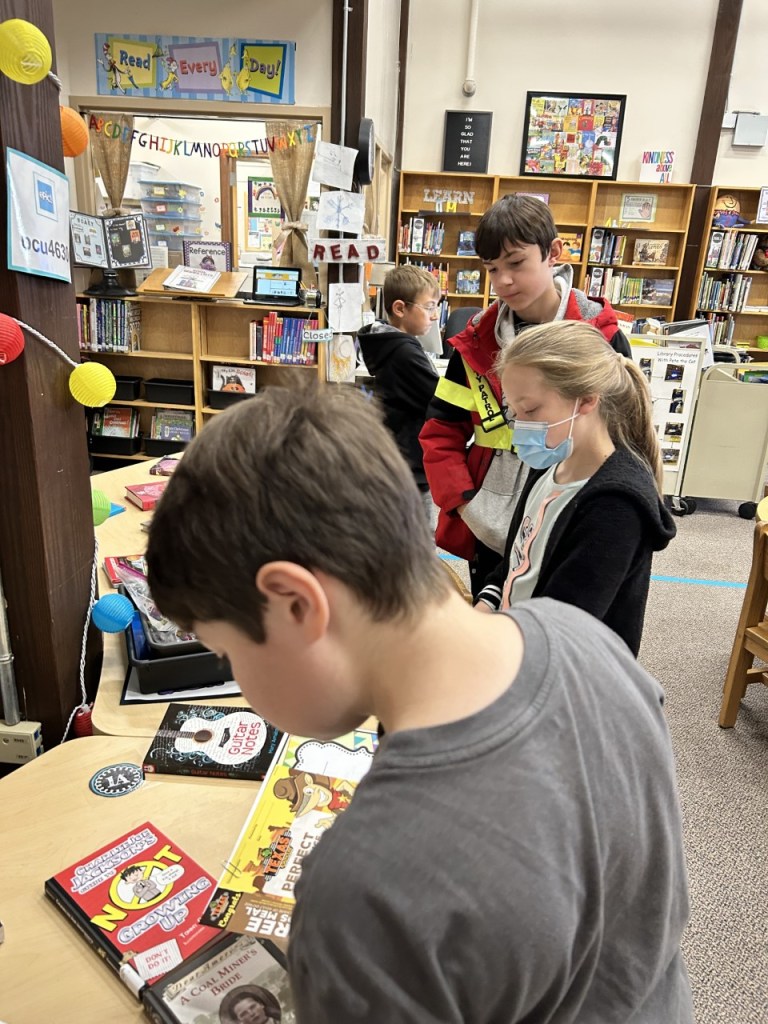
I like to find a balance between giving students enough time to browse, but not enough time that they get bored (or have already read their book while waiting for others to choose.)
After they pick a book have them snuggle up and read, read to a buddy, sing along with the music teacher, watch a Storyline Online, etc.
Book Swap Sample Schedule
- K: 8:30–8:50
- 1st: 8:00–8:20
- 2nd: 9:30–9:50
- 3rd: 9:00–9:20
- 4th: 10:00–10:20
- 5th: 10:30–10:50
Consider scheduling during:
- Library class
- Other specials areas
- Indoor recess (if allowable)
- Flexible blocks
And teachers don’t necessarily have to stay if the schedule is structured and supervised by the adults running the swap.
WHY?
1. Encourage reading
Students get excited about taking home a book they selected themselves.
2. Increase access
Not every child has a large home library. A book swap gives every student an opportunity to leave school with a book.
3. Build choice and ownership
There is something powerful about saying:
“Pick the book you want.”
Students are practicing making choices and thinking about their own interests as readers.
4. Build a culture of reading
A school-wide book swap sends the message that:
Books are meant to be shared.
5. Give books a second life
Instead of sitting unused on a shelf, books get passed from one reader to another.

BONUS: BOOK SWAP + BOOK BUDDY PROGRAM
Over the past several years, I’ve really enjoyed connecting our book swap to a Book Buddy program.
Here’s how it works:
- Older students are partnered with younger students.
- They keep the same buddy for the entire school year.
- Buddies meet approximately 3–5 times throughout the year.
- Students read together, talk about books, and build relationships.
You can even make the book swap part of the buddy program.
Beginning of the year:
The older student brings a book to gift to their younger buddy.
They meet and read together.
End of the year:
The younger student chooses a book to gift to their older buddy.
That creates a really sweet full-circle experience around books, giving, and relationships.
I loved that this turned the book swap into more than just an event. Books became a way for students to connect with someone else in our school.
HOW TO COLLECT THE BOOKS
Start collecting early
Give families an earlier deadline so you can get a general idea of how many books you will have.
But…
DON’T PANIC IF YOU DON’T HAVE MANY BOOKS YET!
This is one of those things that can look terrifying a week before the event.
Then suddenly:
BOOM.
Books start showing up.
And often, you’ll get a huge pile on the actual day of the swap.
Keep a year-round stash
You can also collect gently used books throughout the year so you always have a backup supply.
This is especially helpful when:
- Families aren’t able to donate
- One grade brings in significantly fewer books
- You have more students than expected
PARENT /TEACHER MESSAGING

Click here to make a copy of sample emails and messaging. Please make sure to make a copy!
WHAT DO YOU DO WITH LEFTOVER BOOKS?
If you have a local used bookstore that offers store credit/trade-in value for donated books, consider donating your leftover books after the swap.
Then:
Leftover books → store credit → more books for your next swap
It’s a great way to make the event more sustainable without constantly asking families for donations.
DON’T WORRY ABOUT THE BOOKS LOOKING PERFECT
You can start with:
- Tables
- Bins
- Categories
- Signs
- Books organized by age/grade
…but it will get messy.
And that’s okay.
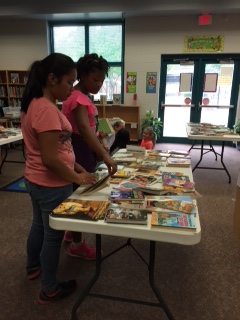
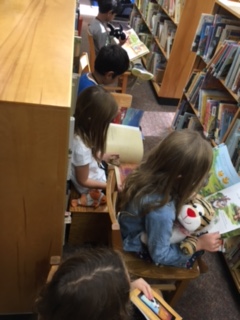
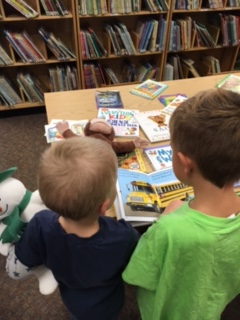
You don’t need a Pinterest-perfect book display.
Your priority is:
Get books into kids’ hands.
Give yourself some time to reorganize between groups, but don’t spend your entire day trying to make every book perfectly arranged.
You could even organize broadly:
- Picture Books
- Beginning Readers
- Chapter Books
- Graphic Novels
- Nonfiction
- “Books for Everyone”
rather than trying to create dozens of categories.
MY BIGGEST TIP
My biggest piece of advice? Just do it.
Your first book swap probably won’t be perfectly organized. You may run out of certain types of books. Your tables will get messy. You’ll probably have way more books show up at the last minute than you expected.
And that’s okay.
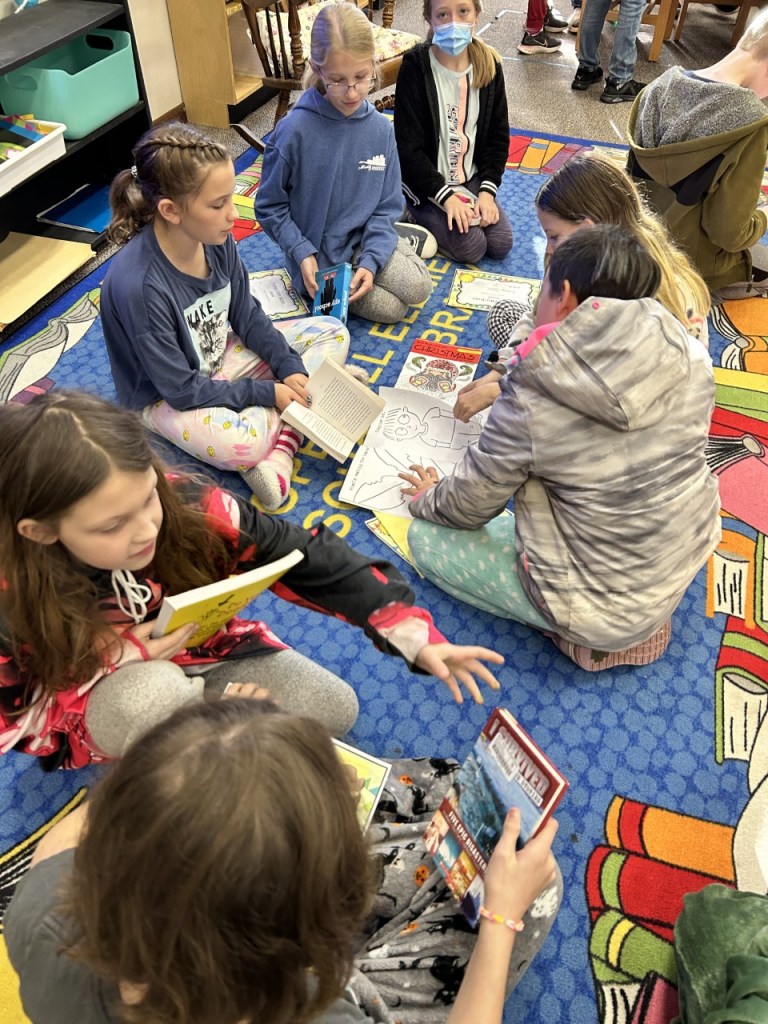
Because at the end of the day, the goal isn’t a beautiful display of perfectly organized books. The goal is seeing a student find a book that makes them say, “This is the one I want!” and then watching them walk out of school with a book in their hands.
That’s a pretty great reason to make a little mess.

Want to host your own book swap? Save this post for your planning checklist, and grab/use the sample family and teacher messages above to get started.
Download The Planning Guide
Pin For Later


Leave a comment