Recently, someone asked me for ideas for running small groups, and it got me thinking about all the different ways I’ve used groups over the years.
When many of us picture a small group, we think of a counselor-led intervention that meets once a week for 30 minutes and follows a structured curriculum. There’s certainly a place for that approach, and I use it often.
But some of the most successful groups I’ve ever run looked very different.
One thing I appreciate about the ASCA National Model is that it doesn’t prescribe one specific format for small groups. While our interventions should be intentional, data-informed, and connected to student needs, there is plenty of room for creativity in how we provide Tier 2 support.
Over the years, I’ve learned that effective small groups come in many forms. Some are highly structured. Some are student-led. Some meet for only 10 minutes at a time. Some are built around a shared project. And some happen over lunch.
The important question isn’t, “Am I running my group the right way?” It’s, “Is this format helping my students learn, practice, and apply new skills?”
Here are five approaches that have transformed the way I think about small groups.
1. Shorter Sessions, More Often
Years ago, another counselor shared a piece of advice that completely changed the way I run certain groups:
Try meeting for shorter periods of time more frequently.

This has been especially effective for regulation and social skills groups.
Instead of meeting once a week for 30 minutes, I started experimenting with groups that met twice a week for 10–15 minutes. The consistency made a huge difference. Students had more opportunities to practice, receive feedback, and revisit skills before they forgot them.
One of my favorite examples focused on personal space.
Skill Scaffolding Example: Personal Space
Session 1: Introduce personal space by tracing body outlines and discussing the concept of a personal space bubble.
Session 2: Read Harrison P. Spader, Personal Space Invader and use hula hoops to visualize boundaries.
Session 3: Bring hula hoops closer together and discuss how it feels when someone enters our personal space. Build empathy by exploring different perspectives.
Session 4: Remove the hula hoops and practice recognizing appropriate proximity while learning how to advocate for personal space respectfully.
Session 5: Apply learning through role-play and real classroom examples.
Session 6: Celebrate growth through role-play, discussion, or an exit ticket assessment.
Rather than rushing through multiple skills, students had time to revisit, practice, and deepen their understanding of one concept.
2. Team Challenges and Reflection
Not every group needs an extensive curriculum.
One of my favorite group formats used the exact same structure every week:
- Quick team challenge
- Reflection and debrief
- Regulation strategy
Students might build a tower, solve a cooperative challenge, complete a STEM task, or work together to accomplish a goal.
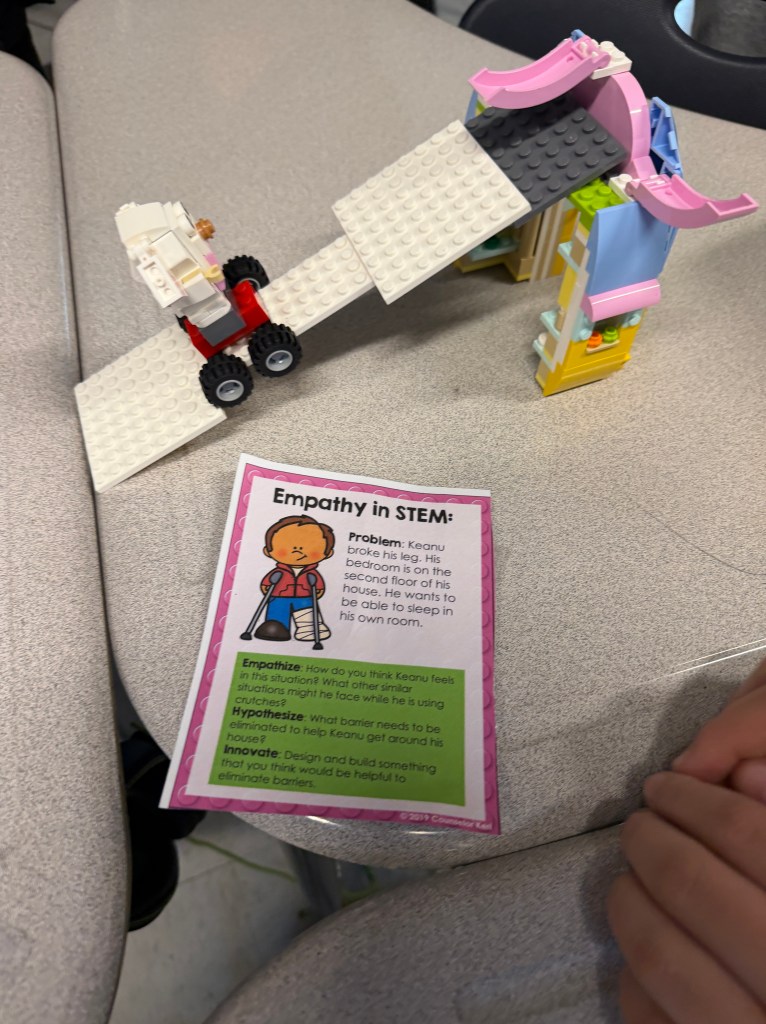
Afterward, we’d discuss:
- What went well?
- What was challenging?
- How did we communicate?
- What could we do differently next time?
We’d end with a coping strategy such as deep breathing, positive self-talk, or progressive muscle relaxation.
The following week, we’d revisit the previous strategy, learn a new one, complete another challenge, and debrief again.
The goal wasn’t just completing the task. The goal was strengthening teamwork, communication, frustration tolerance, and conflict resolution skills. Over time, I noticed fewer peer conflicts and stronger cooperation among group members.
3. Lunch & Learns
One of my favorite ways to extend classroom lessons is through Lunch & Learns.
These are a little different from my typical small groups.
First, I advertise a topic and allow students to choose whether they want to attend. The topics are often connected to classroom lessons or skills students have shown interest in learning more about.
For example, if we’ve been exploring mindfulness strategies and students particularly enjoyed a journaling center, I might invite them to a Lunch & Learn focused entirely on journaling. If we’re working on test-taking strategies, I may offer a Lunch & Learn where students can practice those skills or dive deeper into a topic like positive self-talk.
Second, these groups are usually very short-term—often one or two sessions.
And third, they’re intentionally informal. Since students are eating lunch, I try to keep materials minimal and focus on conversation and reflection.
One activity that has been especially popular involves using photographs as discussion prompts.
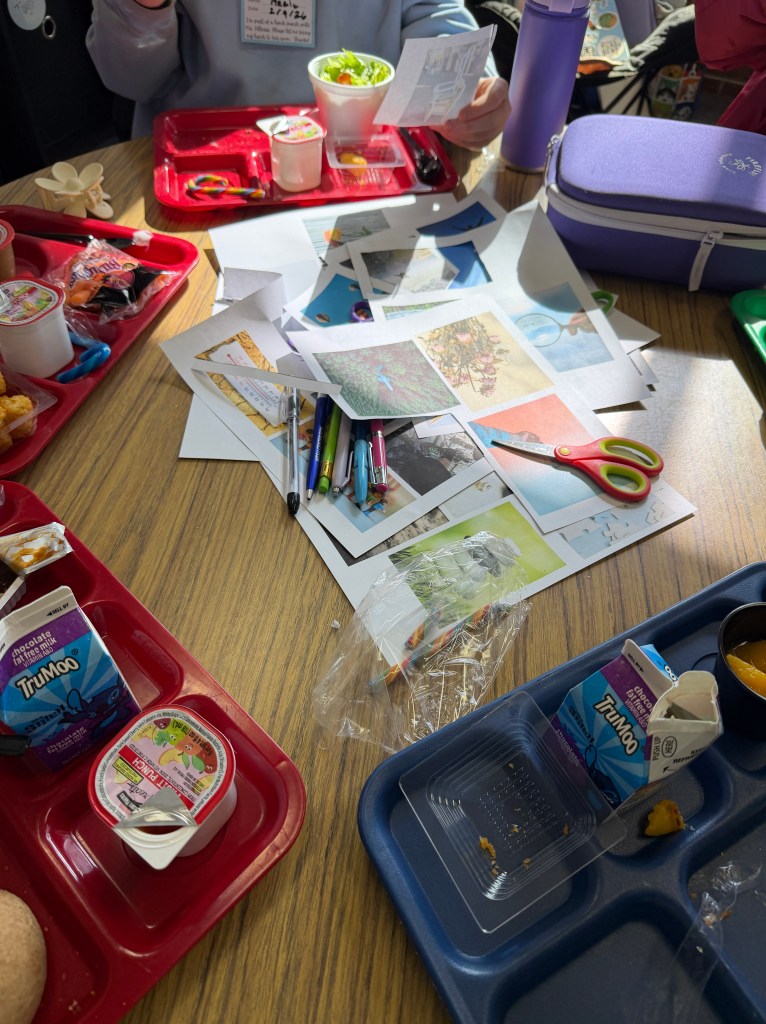
I spread a variety of pictures across the table and ask students to choose one that either represents how they’re feeling about testing or inspires them in some way. We then go around the table sharing why we selected our image.
Afterward, students might:
- Write a note to their future selves
- Write an encouraging letter to someone else
- Journal about their thoughts and feelings
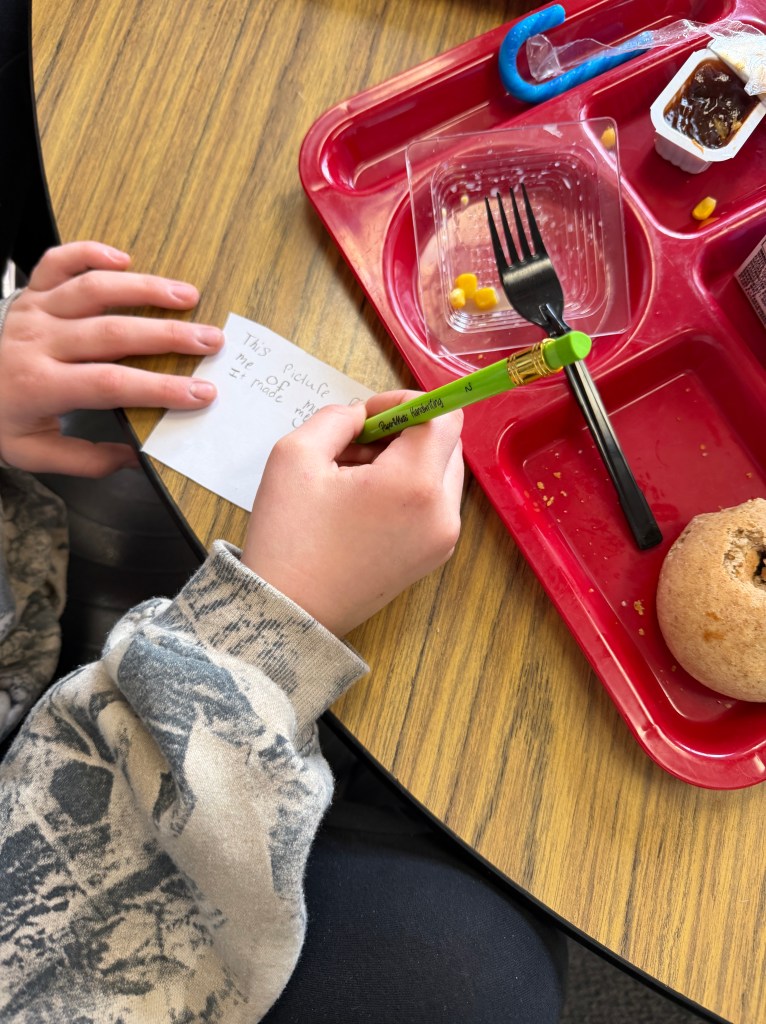
The activity is simple, but it consistently leads to thoughtful conversations and meaningful connections.
Sometimes students don’t need a six-week intervention. Sometimes they simply need a space to explore a topic that interests them.
4. Project-Based Groups
One of the most memorable groups I’ve ever facilitated started with an academic goal.
I identified students based on reading scores and invited them to join a group centered around completing a puzzle featuring influential women throughout history.
The concept was simple.
As we completed each section of the puzzle, we paused to learn about the woman we had revealed. Sometimes we read the same text together. Other times students explored different books and shared what they learned.
What made this group special wasn’t the puzzle.
It was the relationships.
These students did not start out as a dream team. They often struggled to work together and didn’t necessarily enjoy each other’s company.
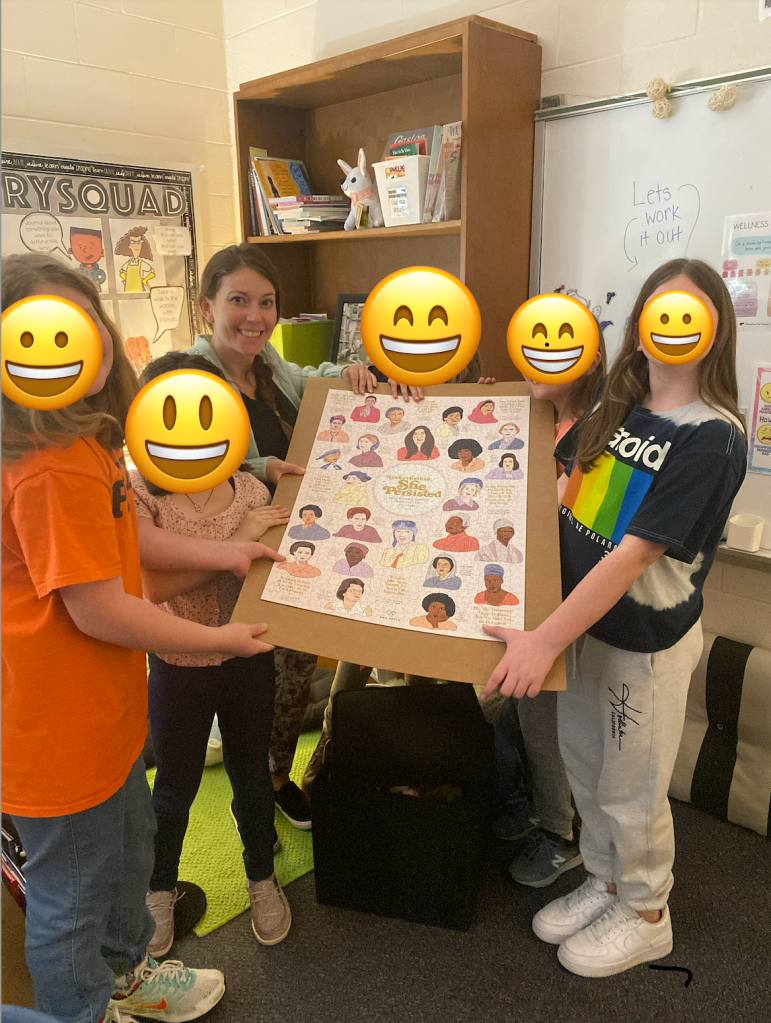
Instead of turning every disagreement into a formal social skills lesson, we simply worked through the process together. As we built the puzzle, we talked. I made observations. I asked questions. Students practiced collaboration naturally because the project required it.
The puzzle took nearly an entire semester to complete.
And by the end, something remarkable had happened.
The students weren’t just tolerating one another anymore. They genuinely cared about each other.
My favorite moment came when they reached the final puzzle piece. Rather than allowing one student to place it, they insisted on placing it together—six hands carefully guiding one tiny piece into place.
Sometimes the most powerful social-emotional learning happens indirectly.
5. Student-Led Leadership Groups
Not all groups have to be ongoing interventions.
Years ago, I created a “Jr. Counselor” program similar to a peer mentoring group.
Students met with me periodically to:
- Help plan school-wide events
- Provide feedback on counseling programming
- Practice leadership and conflict resolution skills
- Support new students transitioning into our school
One of my favorite projects involved hosting new student lunches.
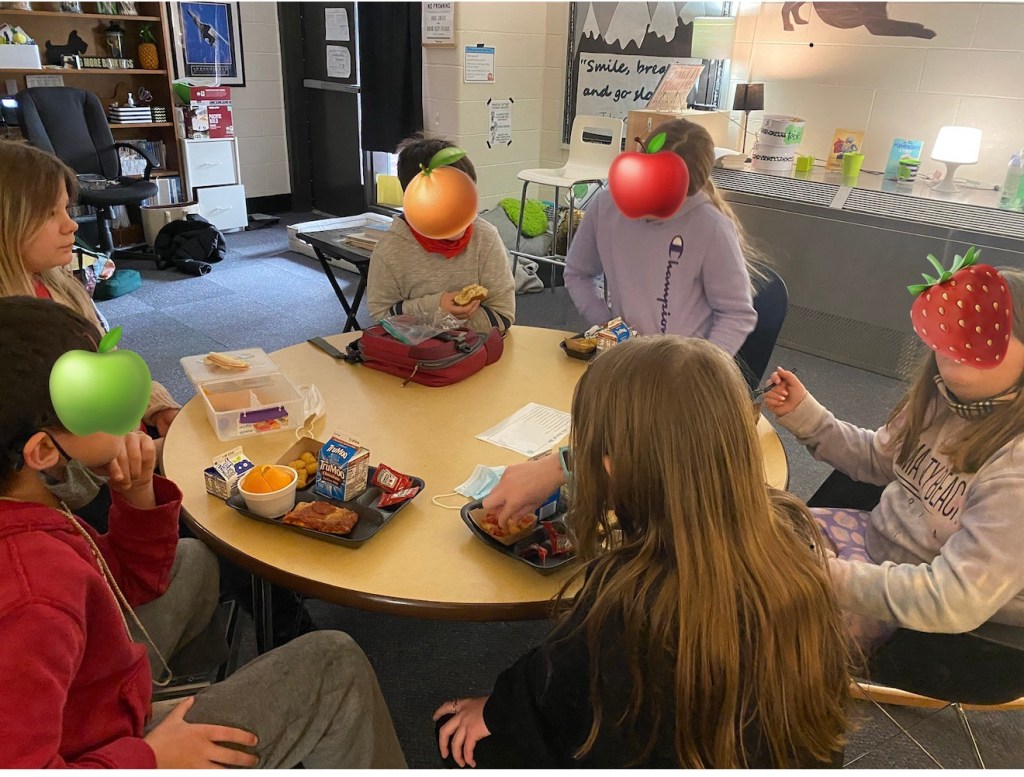
Before the event, the Jr. Counselors met to prepare and rehearse. We discussed questions such as:
- What helped you when you were new?
- What would have made your transition easier?
- What advice would you give a student who started school mid-year?
The students created invitations and personally delivered them to new students.
During the lunch, they facilitated icebreakers, answered questions, and even provided school tours.
What I loved most was that the students became the support system rather than simply receiving support.
The Big Takeaway
Small groups don’t have to fit into one box.
Some groups benefit from a structured curriculum. Others thrive through repeated practice, shared projects, leadership opportunities, Lunch & Learns, or team challenges.
The question isn’t, “What’s the right way to run a group?”
Instead, ask:
What do my students need right now?
Sometimes they need direct instruction.
Sometimes they need opportunities to practice.
Sometimes they need a meaningful project.
Sometimes they need a chance to lead.
And sometimes they simply need a seat at the table and a conversation over lunch.
When we broaden our definition of what a small group can be, we open the door to countless opportunities for connection, growth, and learning. The format matters far less than the purpose behind it. If students are building skills, practicing new behaviors, developing relationships, and receiving support, you’re doing meaningful small-group work.
Pin It For Later


Leave a Reply