Whether you’re teaching social skills, academic habits, or career exploration, one thing remains true: students learn best when they’re actively engaged. The most effective classroom lessons aren’t just informative—they capture attention, build understanding, provide opportunities to practice, and encourage reflection.
If you’ve ever felt like students were physically present but mentally somewhere else, this simple 5-step lesson framework can help increase participation and improve retention.
Step 1: Spark Curiosity
Before students can learn, they need a reason to care. Starting with a hook grabs attention, creates engagement, and gets students invested in what comes next.

Start with an Experiment
A quick demonstration or challenge can immediately capture students’ interest while connecting to your lesson objective.
Try:
- Pepper and dish soap to demonstrate inclusion and exclusion
- Building the tallest tower possible using only five index cards to introduce goal setting
- Testing whether a paperclip can float to spark conversations about perseverance, coping skills, or asking for support
Why it works:
Kids are naturally curious. When they wonder, “How does that work?” or “What’s going to happen next?” they’re already engaged in the learning process.
Start with a Book
Picture books are one of the most powerful tools for introducing social-emotional concepts.
Try:
- Asking a thought-provoking question before reading
- Having students make predictions
- Doing a quick picture walk through the illustrations
Why it works:
Stories help students connect emotionally to a topic and make abstract concepts easier to understand.
Start with a Roll Call
Instead of a traditional attendance check, use a question related to your lesson.
Examples:
- What’s one thing you’re proud of this week?
- Name a coping skill you already know.
- Share one word that describes how you’re feeling today.
Why it works:
Every student participates, and you gain valuable insight into students’ thoughts, experiences, and prior knowledge.
Here are a few examples of what roll call’s I’ve done in Canva (click to create your own template.)
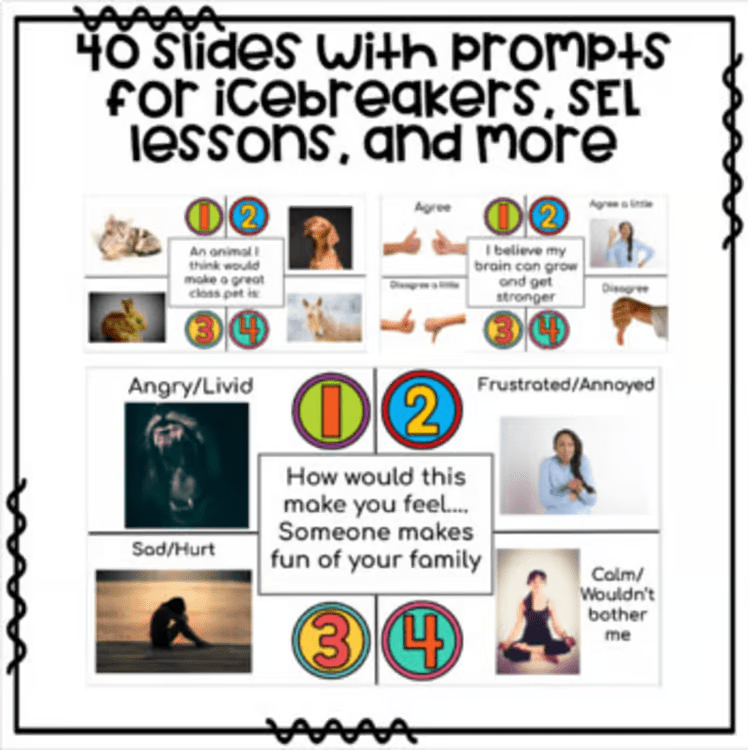
Start with Four Corners
Label each corner of the room with answer choices or numbers 1-4. Ask students to move to the corner that matches their response.
Examples:
- Which coping strategy would you try first?
- How confident do you feel about this skill?
- What would you do in this scenario?
Why it works:
Movement increases engagement and provides a low-pressure way for students to share their opinions.
Start with a Team Challenge
Give students a quick challenge to solve together before introducing the lesson.
Examples:
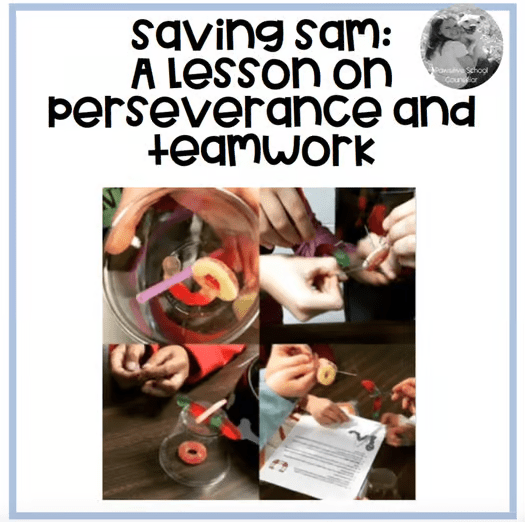
- Saving Sam
- Marshmallow tower challenges
- Simple teamwork puzzles
Why it works:
Team challenges immediately build communication, cooperation, problem-solving, and connection.
Step 2: Build Understanding
Once you’ve captured attention, help students connect the lesson to what they already know.

This is the time to:
- Activate prior knowledge
- Discuss why the skill matters
- Connect the concept to students’ real lives
- Share examples they can relate to
Students are more likely to remember and apply a skill when they understand its purpose.
Ask questions like:
- When have you seen this happen before?
- Why might this skill be helpful?
- How could this make school, friendships, or life easier?
Step 3: Teach the Skill or Concept
Now it’s time for direct instruction.

Keep your objective clear and focus on one specific skill or strategy. Model exactly what the skill looks like in action.
This may include:
- Demonstrating the strategy
- Thinking aloud
- Showing examples and non-examples
- Breaking the skill into manageable steps
Remember: students often need to see a skill before they can successfully use it themselves.
Step 4: Bring It to Life
Learning becomes meaningful when students have opportunities to practice.

Create chances for students to apply the skill in realistic situations.
Ideas include:
- Role plays
- Partner practice
- Scenario cards
- Small-group discussions
- Problem-solving activities
Provide feedback, coaching, and opportunities for “do-overs.”
Practice isn’t about getting it perfect the first time—it’s about building confidence and competence.
Step 5: Pause and Process
Reflection helps learning stick.

Before ending the lesson, give students an opportunity to think about what they learned and how they’ll use it.
Try:
- Exit tickets
- Turn-and-talk discussions
- Class circles
- Reflection prompts
- Goal-setting activities
Questions to ask:
- What is one thing you learned today?
- When might you use this skill?
- What part feels easiest?
- What part might still be challenging?
Reflection helps students move from understanding a skill to actually applying it.
Bringing It All Together
Effective classroom lessons don’t have to be complicated. When you intentionally move through these five steps—Spark Curiosity, Build Understanding, Teach the Skill, Bring It to Life, and Pause & Process—you create lessons that are engaging, meaningful, and memorable.
The goal isn’t simply for students to hear information. It’s to help them understand it, practice it, and use it long after the lesson ends.
Because the best lessons aren’t the ones students sit through—they’re the ones students experience.
Shop The Post
Pin For Later
 Pawsitive School Counselor
Leave a comment