The start of a school year—or even returning after a break—can bring big emotions for everyone, especially our little ones. While some nervousness is developmentally appropriate, some students experience intense distress when separating from caregivers. As school counselors and educators, we play an important role in helping students feel safe, connected, and confident at school.
Understanding Separation Anxiety
It is normal for young children to experience some anxiety when separating from caregivers. However, when fears become intense, prolonged, or interfere with daily functioning, additional support may be needed.
Common Signs of Separation Anxiety
Students experiencing separation anxiety may show behaviors such as:
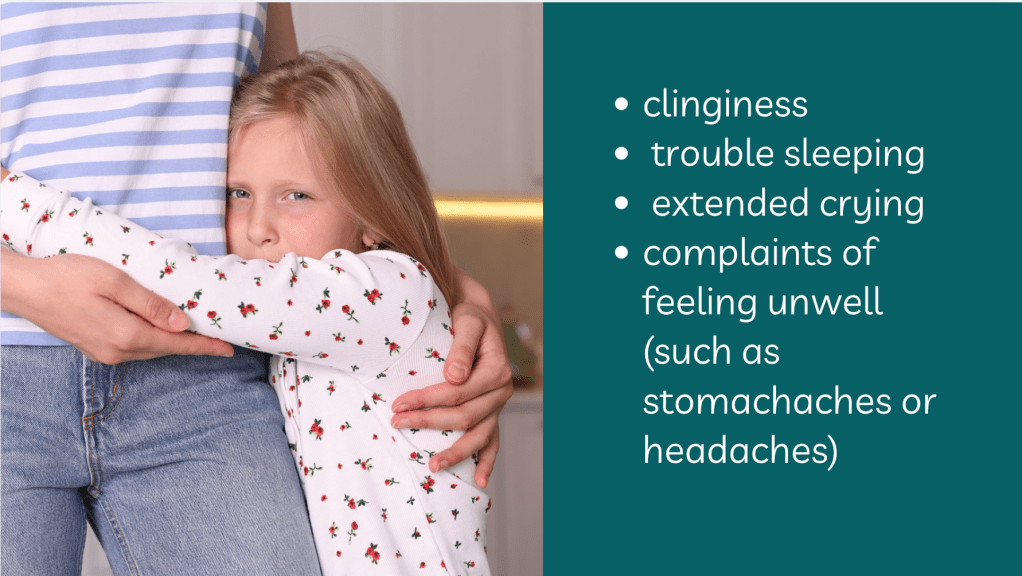
You can closely with teachers, families, and other staff members to gather observations across settings. Collaboration can help determine whether behaviors reflect typical developmental anxiety or whether additional intervention or referral may be appropriate.
Separation Anxiety vs. Separation Anxiety Disorder
According to Mayo Clinic, separation anxiety becomes more concerning when fears are excessive for a child’s developmental level, persist over time, and significantly impact school, friendships, or daily activities.
Typical Separation Anxiety
- improves with reassurance and routines
- often occurs during developmental transitions
- decreases as the child becomes familiar with school and caregivers
Separation Anxiety Disorder
May include:
- persistent fear of separation
- panic or extreme distress during drop-off
- repeated physical complaints without medical cause
- school avoidance
- excessive worry about harm coming to caregivers
- symptoms lasting several weeks or longer
If concerns persist or intensify, counselors, social worker, teachers, school psychologists, etc. can work as a team support families in seeking additional mental health evaluation or outside therapy services when appropriate.
Supporting Caregivers
Caregivers are an essential part of helping children successfully navigate separation anxiety. Families may feel worried, frustrated, or unsure how to respond during difficult drop-offs or emotional transitions. School counselors can help by providing reassurance, education, and practical strategies that support consistency between home and school.

Helpful reminders for caregivers include:
- Keep goodbye routines short, calm, and predictable.
- Avoid “sneaking out,” which can increase anxiety and mistrust.
- Validate feelings without reinforcing fears.
- Communicate confidence in the child’s ability to cope.
- Celebrate effort and progress, even in small steps.
- Maintain consistent school attendance whenever possible.
Examples of supportive caregiver language:
- “I know goodbyes can feel hard, and I know you can handle this.”
- “Your teacher and counselor will help you if you feel worried.”
- “Feelings come and go, and you are safe at school.”
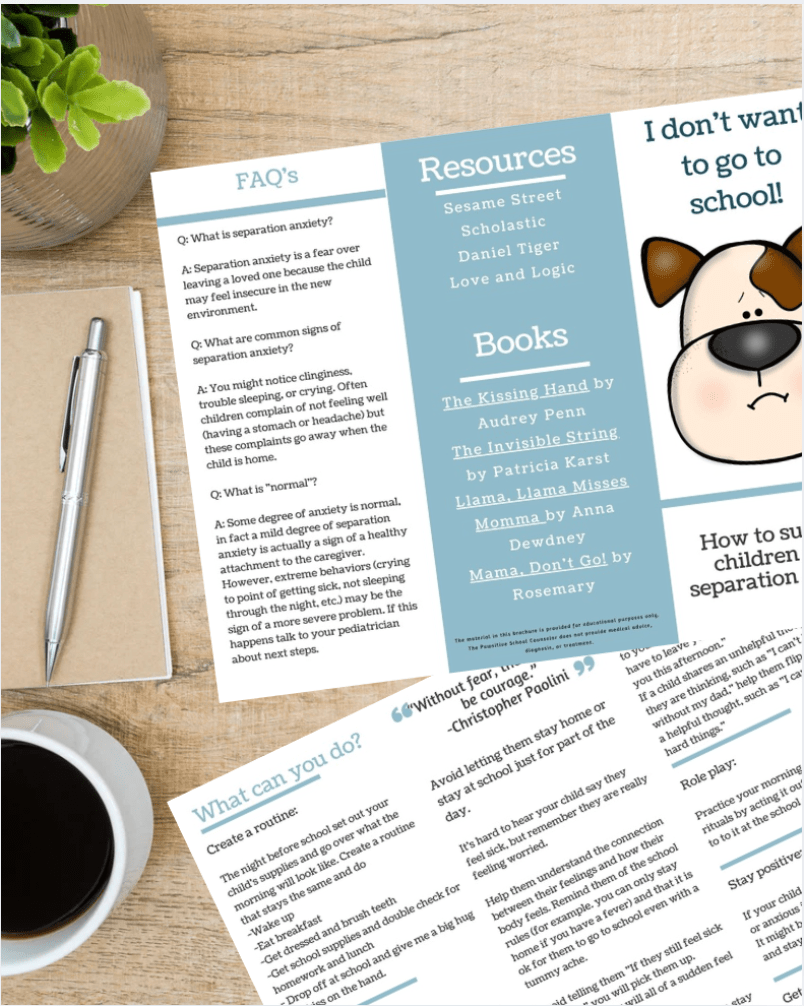
School counselors can also provide families with handouts, coping tools, and community resources to continue supporting students at home. I like to share a downloadable parent brochure with additional strategies and supports for caregivers at the start of the year.
Practical Strategies for Teachers and Counselors
1. Create Predictable Routines
Consistent routines help children feel emotionally safe. Visual schedules, structured transitions, and predictable greetings can reduce uncertainty and anxiety.
2. Give the Student a “Job” Right Away
Having a simple, purposeful task immediately upon arrival can shift focus away from separation and toward connection and confidence.

Ideas include:
- line leader helper
- passing out materials
- feeding the “worry puppy”- a bag, stuffed animal, or dressed up mini shredder that can “eat” their worries
- checking the class schedule
- attendance helper
- classroom greeter
These small responsibilities provide students with a sense of purpose, belonging, and control.
3. Use Relationship-Based Interventions
One-Sentence Intervention
This relationship-building strategy from Love and Logic™ focuses on helping students feel seen and valued.
“I noticed ______ about you. I noticed that about you.”
Examples:
- “I noticed you came in even though it felt hard this morning. I noticed that about you.”
- “I noticed how gently you helped your classmate. I noticed that about you.”
These moments build trust and emotional safety.
2×10 Relationship Strategy
Spend 2 minutes a day for 10 consecutive school days talking with the student about non-academic interests. This intentional connection-building strategy strengthens relationships and increases school belonging.
Topics might include:
- favorite animals
- video games
- sports
- hobbies
- pets
- what they are reading/watching
Strong relationships are often one of the most effective interventions.
4. Allow Comfort Items
Permit students to bring a small personal item from home, such as:
- a family photo
- favorite small stuffed animal
- bracelet
- note from caregiver
Comfort objects can serve as transitional supports while students build confidence and independence.
5. Build Classroom Community
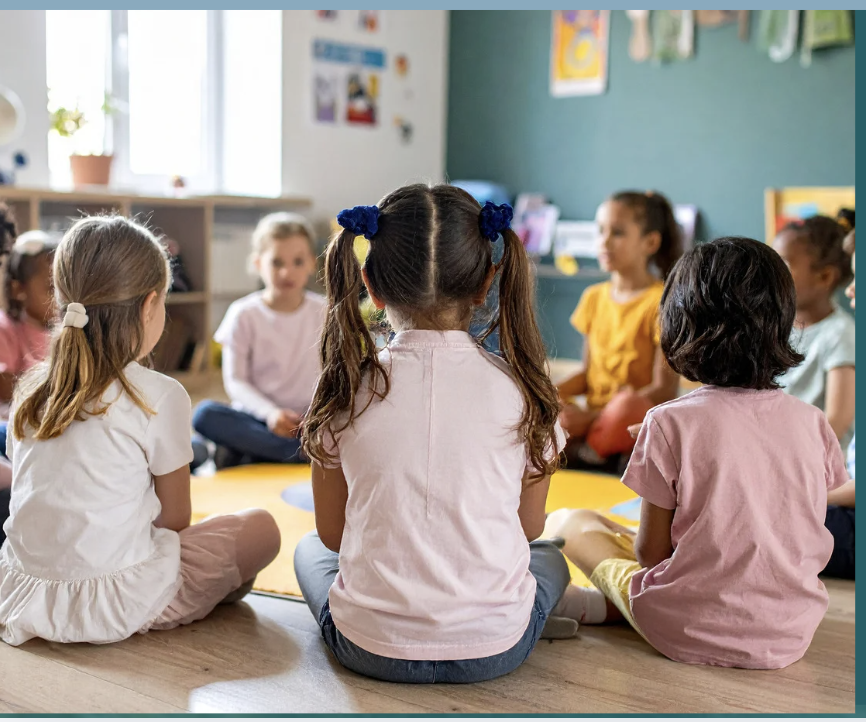
At the beginning of the year, teachers can lead students in a class circle that promotes belonging. Pass around a talking object, like small stuffed animal. For example the “class puppy.”
When holding the item, students can share:
- their name
- something they like
- one thing that helps them feel happy or safe
After each student shares, the class responds together:
“We’re glad you’re here!”
This simple activity promotes belonging, emotional safety, and classroom connection.
Running a Small Group for Separation Anxiety
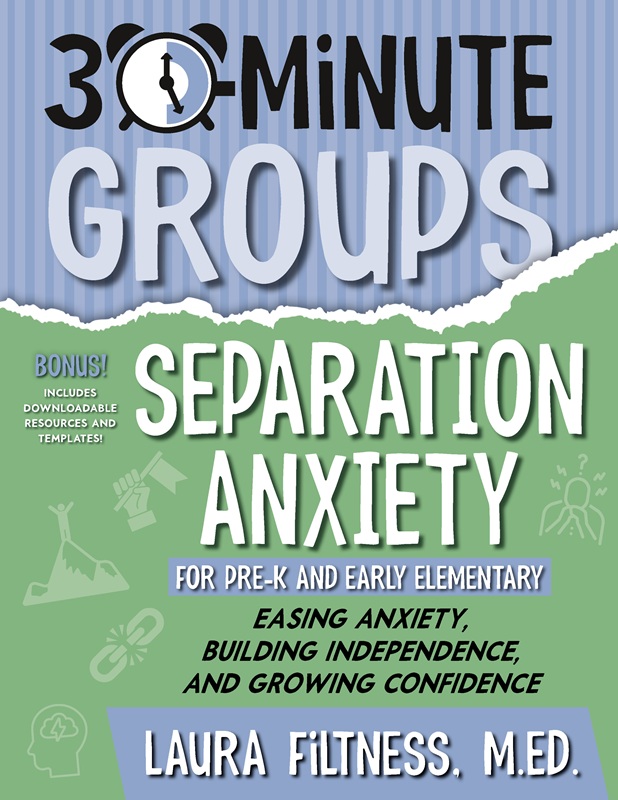
Small groups can be an effective Tier 2 intervention for students who need additional support building coping skills, emotional regulation, and confidence during school transitions.
Group sessions may focus on:
- identifying feelings and body signals
- practicing coping strategies
- building independence
- managing worries and “what if” thoughts
- role-playing goodbye routines
- strengthening peer connections
- increasing school confidence and belonging
Activities might include:
- calming strategy practice
- art and play-based activities
- bibliotherapy and discussion
- puppet role-play
- mindfulness exercises
- coping skills games
- gradual exposure and confidence-building activities
When Should the Group Meet?
I find the best time for a small group session for students with separation anxiety is usually mid-morning, after students have adjusted to the classroom routine. At this time, they are more likely to feel calm, regulated, and ready to engage.
It is generally best to avoid scheduling the group:
- immediately at morning drop-off
- during highly preferred activities students may not want to miss
- too late in the school day when fatigue and anxiety may increase
Consistent scheduling and predictable routines can help students feel more comfortable participating in the group over time.
Small Group Resource:
Using Bibliotherapy and Read-Alouds
Books can be powerful tools for helping children process anxiety. Stories allow students to explore difficult emotions through a character’s experience, which often feels safer and less intimidating.
After reading, ask reflective questions such as:
- Which character could you relate to and why?
- What advice would you give the character?
- What helped the character feel brave?
- What helps you when you feel worried?
Here are some of my favorite back to school reads. Print and share with families or teachers!
Important Considerations About Rewards
I encourage you to be thoughtful with reward systems. Reinforcing “not crying” may unintentionally communicate that emotions themselves are the problem.
Instead, focus praise and encouragement on:
- practicing coping skills
- attempting difficult transitions
- using calming strategies
- following goodbye routines
- showing bravery
- meeting individualized goals
This approach supports emotional growth rather than compliance.

Consider a 504 and IEP
For some students, a 504 Plan or IEP may be needed to support their access to education.
Here are a few helpful resources to guide this consideration and process:
504 Plans and School Avoidance
Section 504 Protections for Students with Anxiety Disorders
The Ultimate 504 Accommodations Toolkit
Final Thoughts
Students with separation anxiety are not being “difficult”—they are communicating distress and a need for safety, connection, and support. Through strong relationships, predictable routines, collaborative problem-solving, and compassionate interventions, schools can help children build confidence and resilience one small step at a time.
Shop The Post
Pin For Later


Leave a Reply