Ending counseling sessions thoughtfully can help children recognize their growth, celebrate their progress, and feel confident using the skills they’ve learned beyond your time together.
Whether it’s reflecting through books, creating self-portraits, writing future letters, reviewing coping skills, or sending home caregiver support activities, intentional termination activities can leave a lasting impact.
These simple ideas help students leave counseling feeling:
✨ Empowered
✨ Supported
✨ Proud of themselves
✨ Prepared for future challenges
Why Intentional Termination Matters
The ending phase of counseling is just as important as the beginning. When handled with care, termination helps students:
- Recognize their growth
- Build confidence in their coping skills
- Prepare for future challenges
- Feel supported during transitions
- Celebrate the progress they’ve made
Children often benefit from having closure and a chance to reflect on their journey. Thoughtful ending activities can reinforce the idea that while counseling may be ending, the tools and strengths they’ve developed will continue to support them.
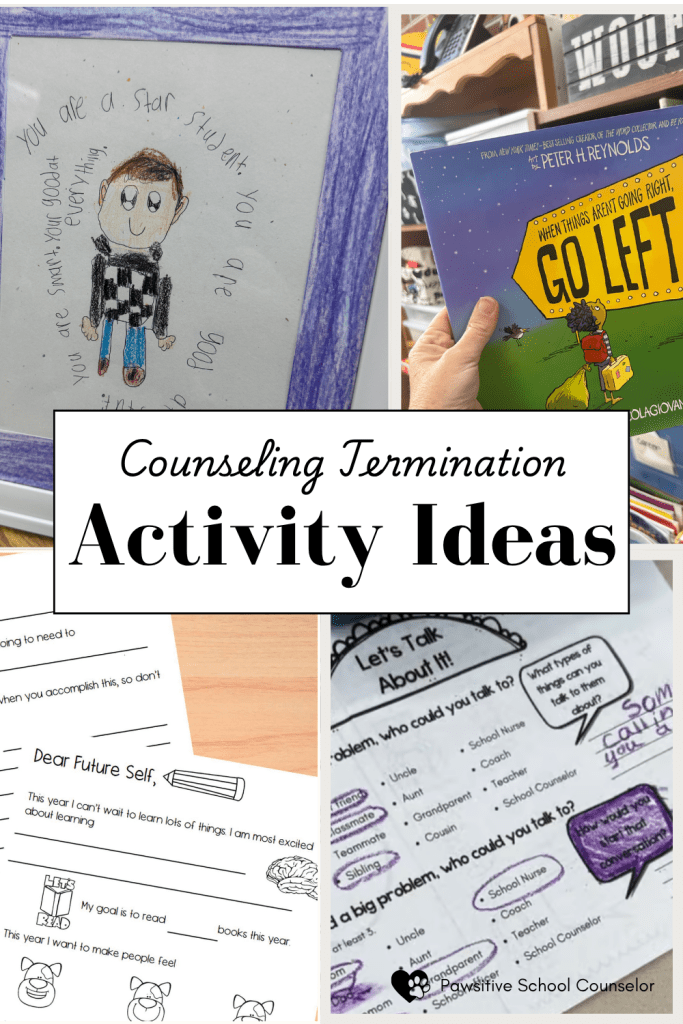
1. Self-Portrait Reflection Activity
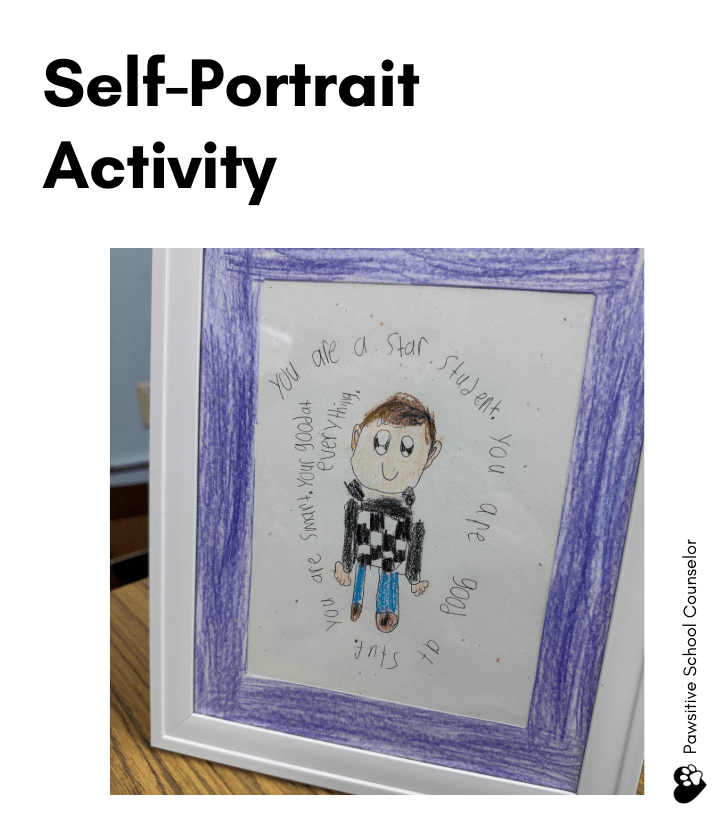
Invite students to draw a self-portrait and reflect on how they’ve grown during counseling.
You can encourage them to:
- Surround their portrait with affirmations
- Add coping skills they’ve learned
- Include words that describe their strengths
- Write encouraging messages to themselves
This activity helps children visually recognize their progress and build self-confidence.
Bonus idea: Frame the self-portrait or place it in a special folder for them to take home as a reminder of their growth.
2. Read and Reflect Together
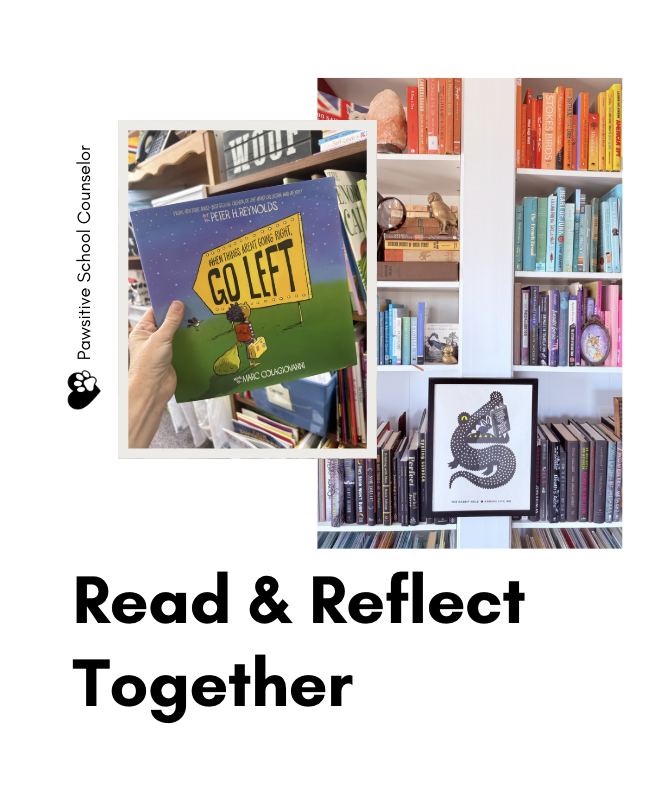
Books can be a powerful way to process endings, growth, bravery, resilience, and change.
Choose a meaningful story and discuss it together using reflective questions like:
- “What part reminded you of yourself?”
- “What have you learned about yourself?”
- “What will you remember moving forward?”
These conversations can help students connect their experiences to the themes in the story and recognize how far they’ve come.
Bonus idea: Gift the book to the student as a keepsake to revisit whenever they need encouragement.
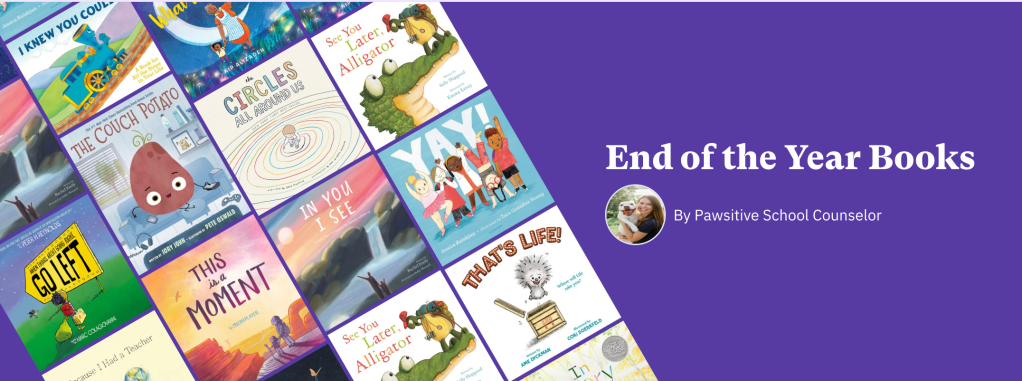
Find some of my favorite end of the year reads here.
3. Write a Letter to Their Future Self
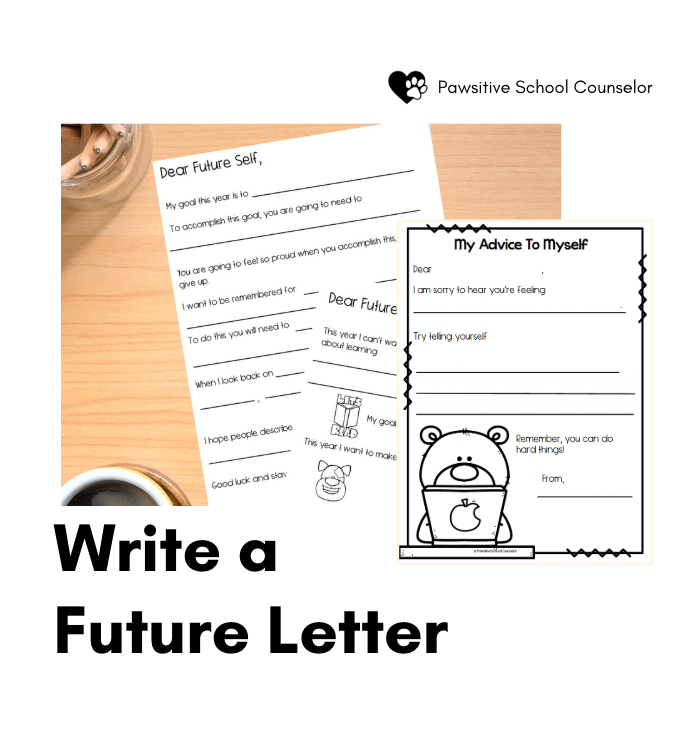
Future letters allow students to pause, reflect, and encourage themselves for the future.
You can offer prompts such as:
- “Remember when…”
- “I am proud of myself for…”
- “When things feel hard, I can…”
- “I hope you continue to…”
Students can seal their letters in an envelope to open at a later date. This activity reinforces self-compassion and reminds children that they already carry important tools within themselves.
Download a free letter here.
4. Create a Support Plan and Reflect on Growth
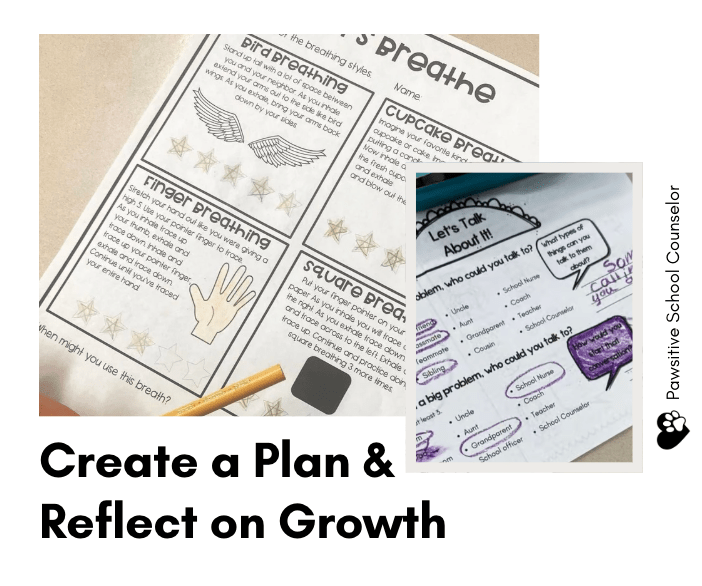
Help students prepare for life after counseling by reviewing the coping strategies and skills they’ve practiced.
Together, create a simple support plan that includes:
✔ Trusted adults they can go to
✔ Coping strategies that work best for them
✔ Calm-down tools and reminders
✔ Steps to take when emotions feel overwhelming
You can also invite students to reflect on or rate the skills they’ve learned throughout counseling. This encourages ownership of their progress and helps build confidence in using those strategies independently.
Get my “Feel Better Plan here.
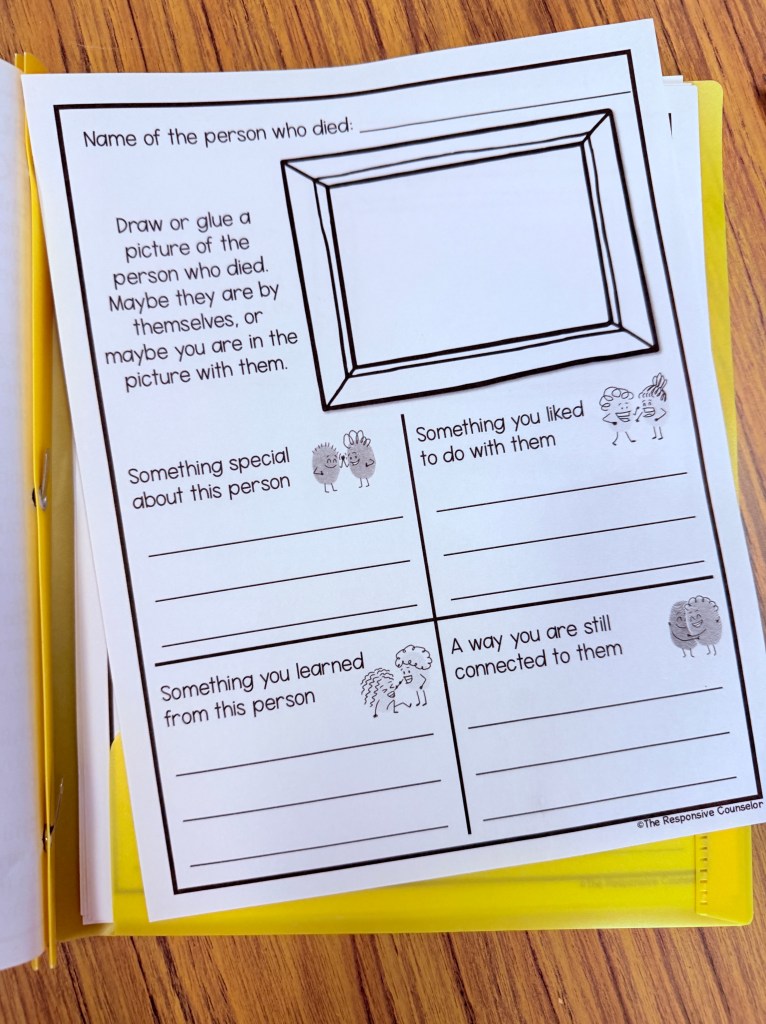
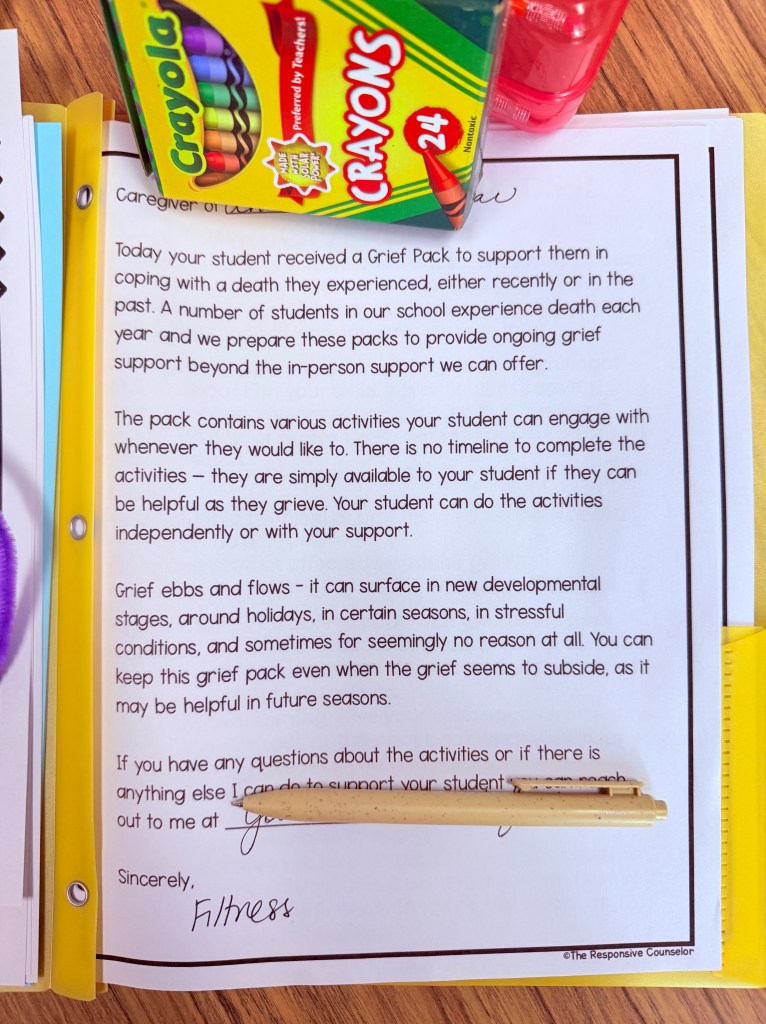
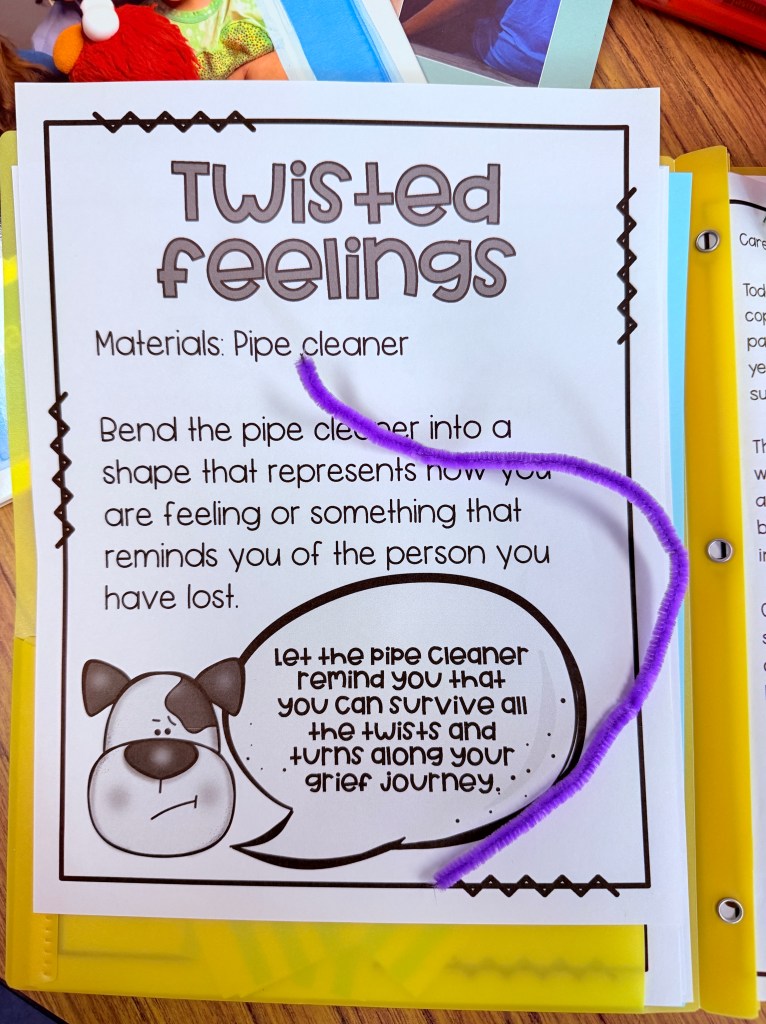
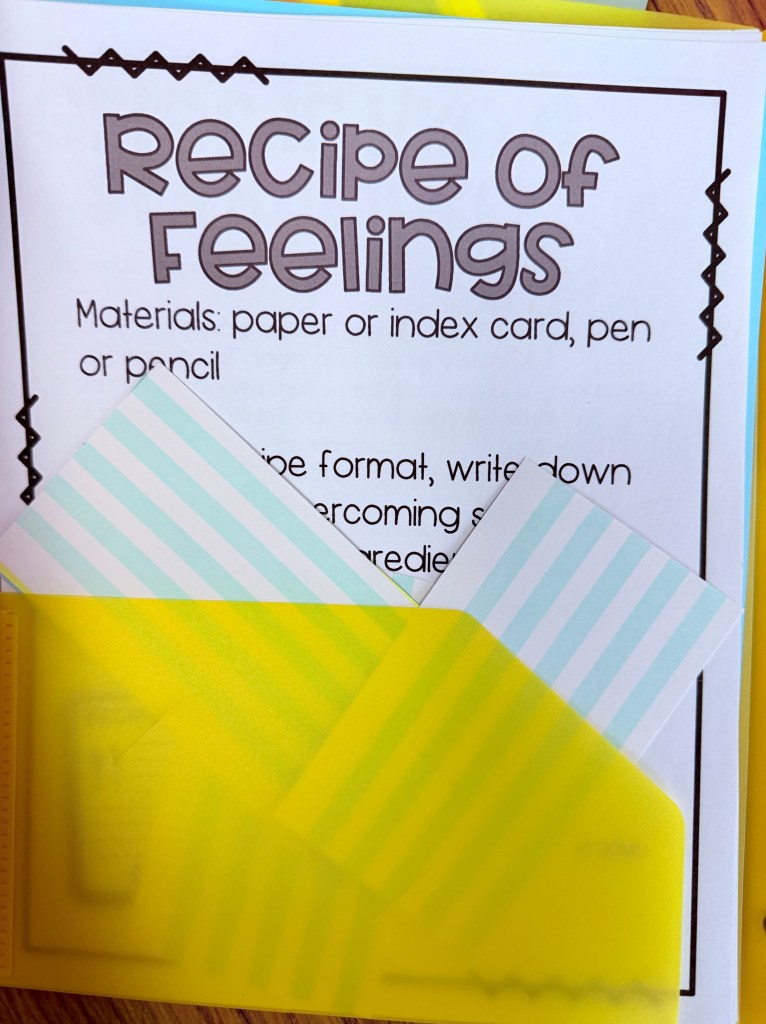
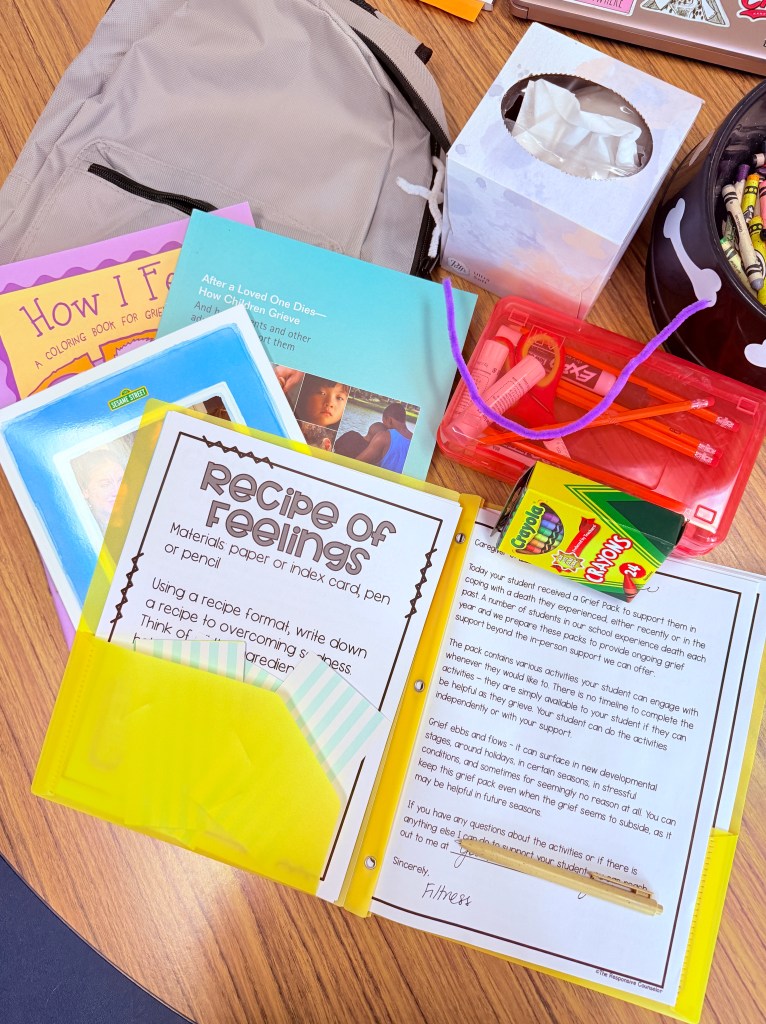
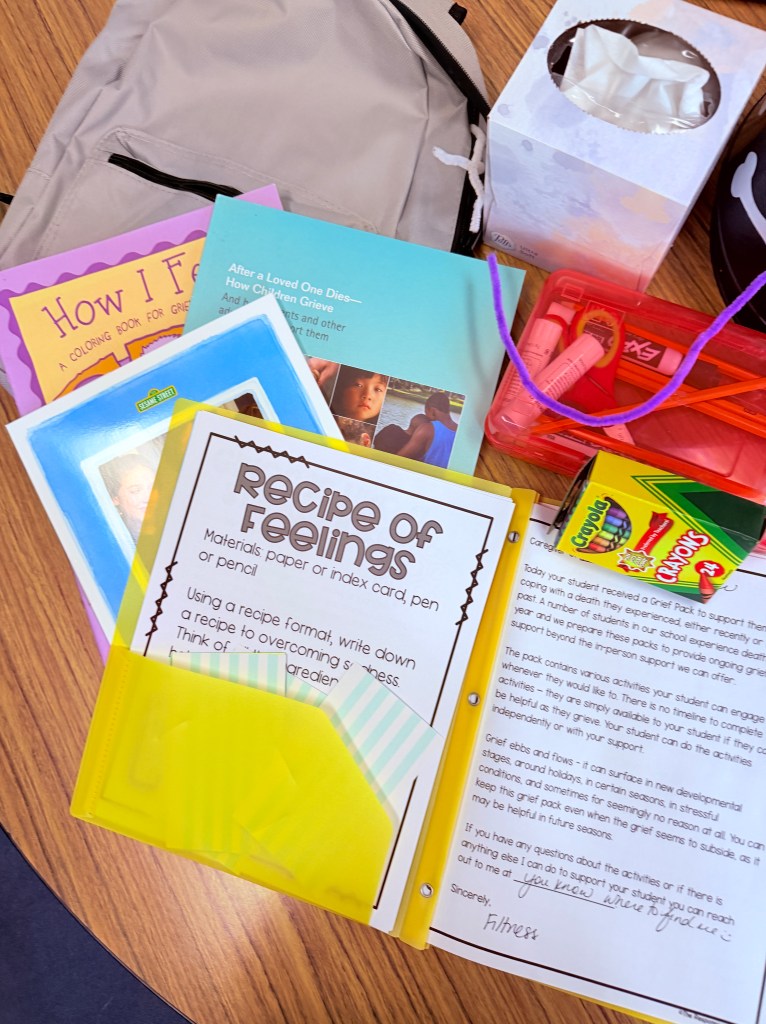
5. Send Home Caregiver Support Bags
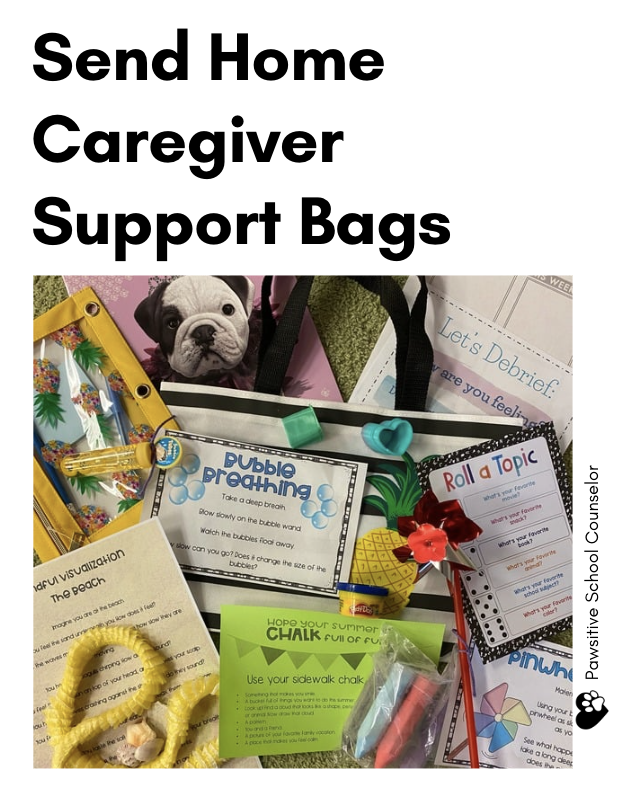
Families play an important role in helping children continue practicing their skills after counseling ends.
Consider sending home small caregiver support bags with resources such as:
- Conversation starters
- Family connection activities
- Coping skill reminders
- Affirmation cards
- Journaling prompts
These simple tools can help maintain connection, reinforce emotional skills, and support continued growth at home.
Learn more about the support bags here.
Final Thoughts
Ending counseling sessions with intention can make children feel seen, celebrated, and prepared for what comes next. A caring goodbye reminds students that growth doesn’t stop when counseling ends—it continues as they carry their strengths and skills into everyday life.
Sometimes the most meaningful part of counseling is helping a child realize:
“You can do this, and you are not alone.”
Shop The Post

Pin For Later


Leave a Reply