Grief is something we support students through every single year. Sometimes it is the loss of a family member, friend, or beloved pet. Other times grief shows up in less visible ways — family changes, divorce, moving schools, community tragedies, or major life transitions that leave students carrying heavy emotions into the classroom.
As school counselors, we often become one of the first safe spaces where students can begin processing those feelings.
So how do we create meaningful support for students navigating grief?
Here are some of the ways I support students through grief-focused small groups, individual counseling, and family-centered resources.
Why Grief Small Groups Matter
One of the most effective ways to support grieving students is through small groups.
While individual counseling is incredibly valuable, grief groups create something uniquely powerful: connection.
Students quickly realize they are not the only ones experiencing difficult emotions, and that this shared experience can reduce feelings of isolation and build a sense of belonging.
Grief groups help students:
- Feel less alone in their experience
- Learn to identify and express emotions
- Practice coping strategies
- Build resilience while honoring memories
- Connect with peers experiencing similar challenges
Sometimes peer connection becomes just as powerful as the counseling itself.

My 6-Week Grief Small Group Framework
After seeing the incredible impact of a grief group my intern facilitated several years ago, I took some of the students’ favorite activities. I created a six-week curriculum focused on helping students process grief in developmentally appropriate ways.
Week 1: Building Safety and Connection
We begin with introductions, icebreakers, and community-building activities designed to help students feel emotionally safe.
Week 2: Ruff Feelings
Students explore emotional awareness and practice naming the many feelings connected to grief.
Week 3: Barks and Bounces
This session focuses on coping skills, resilience, and identifying supportive people in their lives.
Week 4: Sweet Memories
Students reflect on meaningful memories through storytelling, keepsakes, or activities focused on remembrance.
Week 5: I Can Make It
Students identify strengths they already possess and reflect on ways they have already navigated difficult experiences.
Week 6: Mindfully Moving Forward
Our final session focuses on mindfulness, healing, and carrying grief as we continue to move forward.
Throughout each session, I incorporate books, games, movement, discussion, and hands-on activities that allow students to engage authentically.
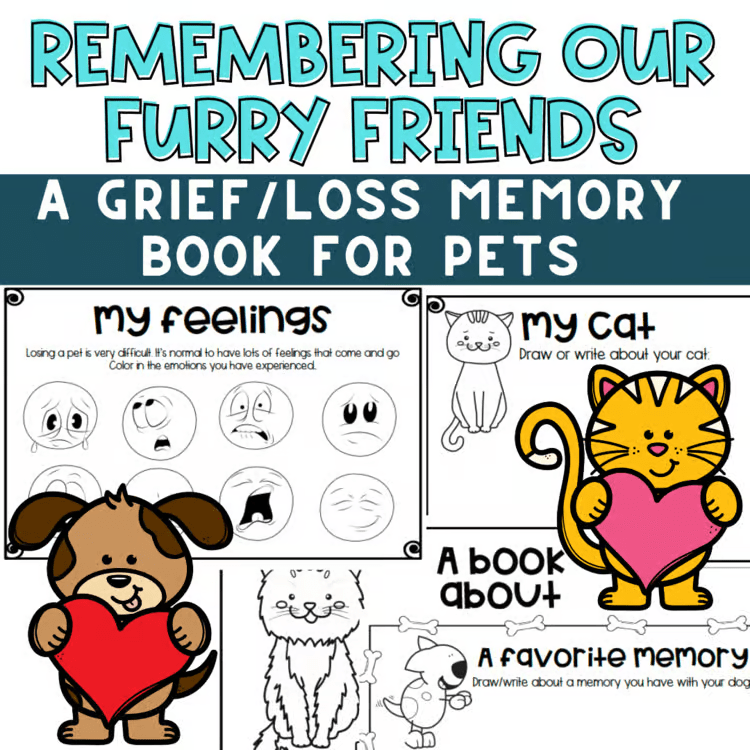
Find all of my grief resources here.
Extending Support Beyond School: Grief Bags To Go
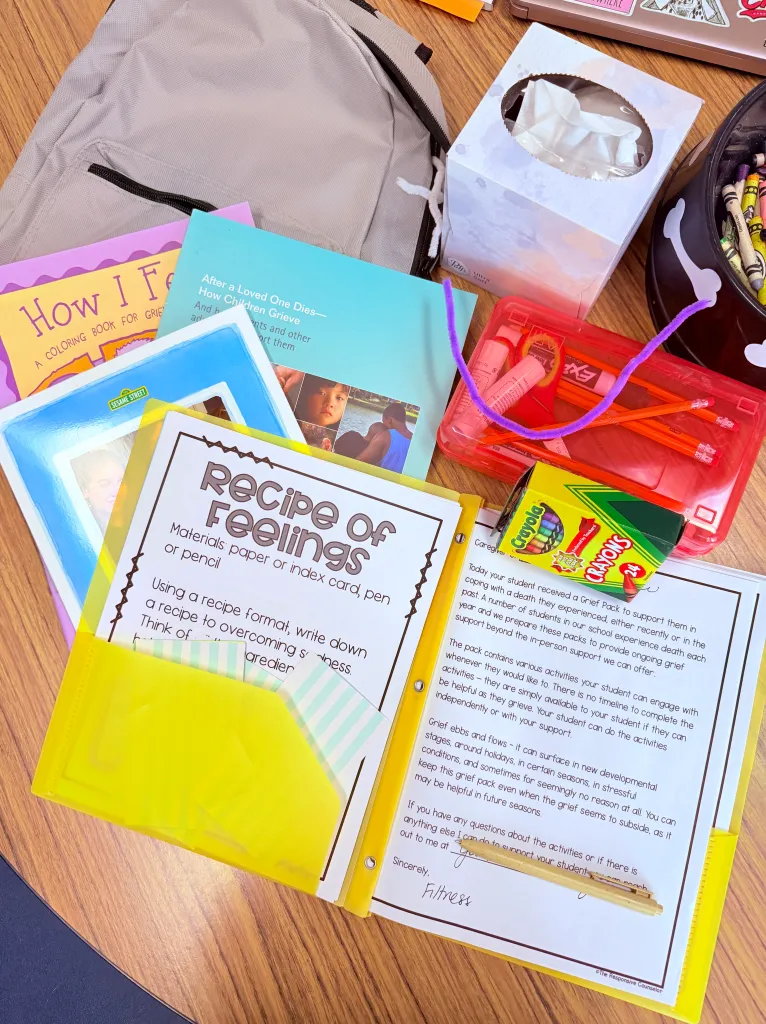
Supporting grieving students does not stop when the counseling session ends.
One thing I have found incredibly valuable is helping families continue these conversations at home.
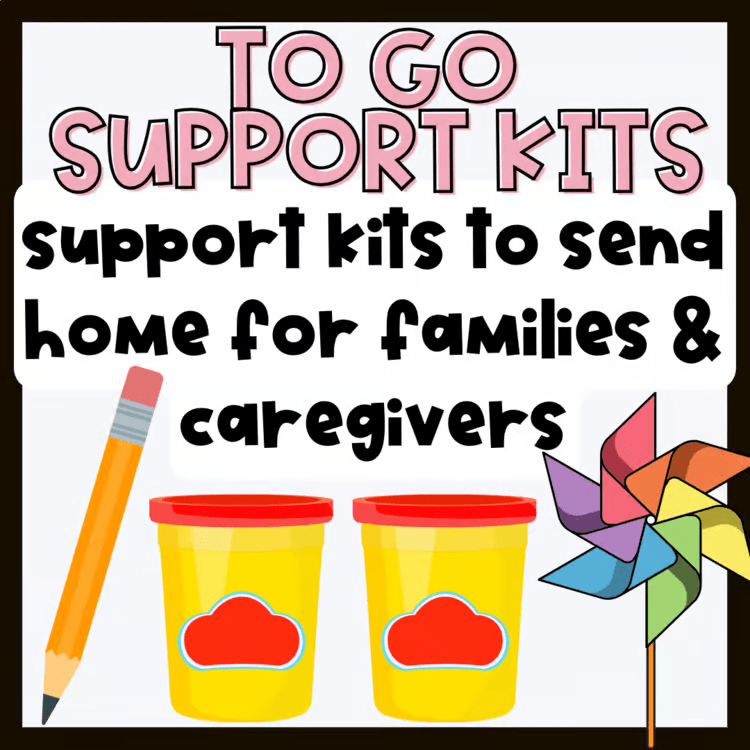
To make that easier, I created Grief Bags To Go — take-home support bags that families can check out, providing activities, conversation starters, and tools designed to help caregivers support children through grief outside of school.
I originally shared this project with Confident Counselors, where I discussed how these bags can strengthen the home-school connection during difficult times.
Learn more about using these to-go support resources here.
Using the Four Tasks of Mourning with Children
Although many educators and families are familiar with the Stages of Grief framework created by Elisabeth Kübler-Ross, this model was originally developed to explain the experiences of individuals confronting their own death or terminal diagnosis, rather than the grief experienced after losing someone important.
When supporting children, I often turn to J. William Worden’s Four Tasks of Mourning, which focuses on the process of adapting to the loss of a loved one. I appreciate this framework because it acknowledges that grief is not linear and helps children actively engage in understanding loss, processing emotions, adjusting to change, and finding healthy ways to carry connection forward.
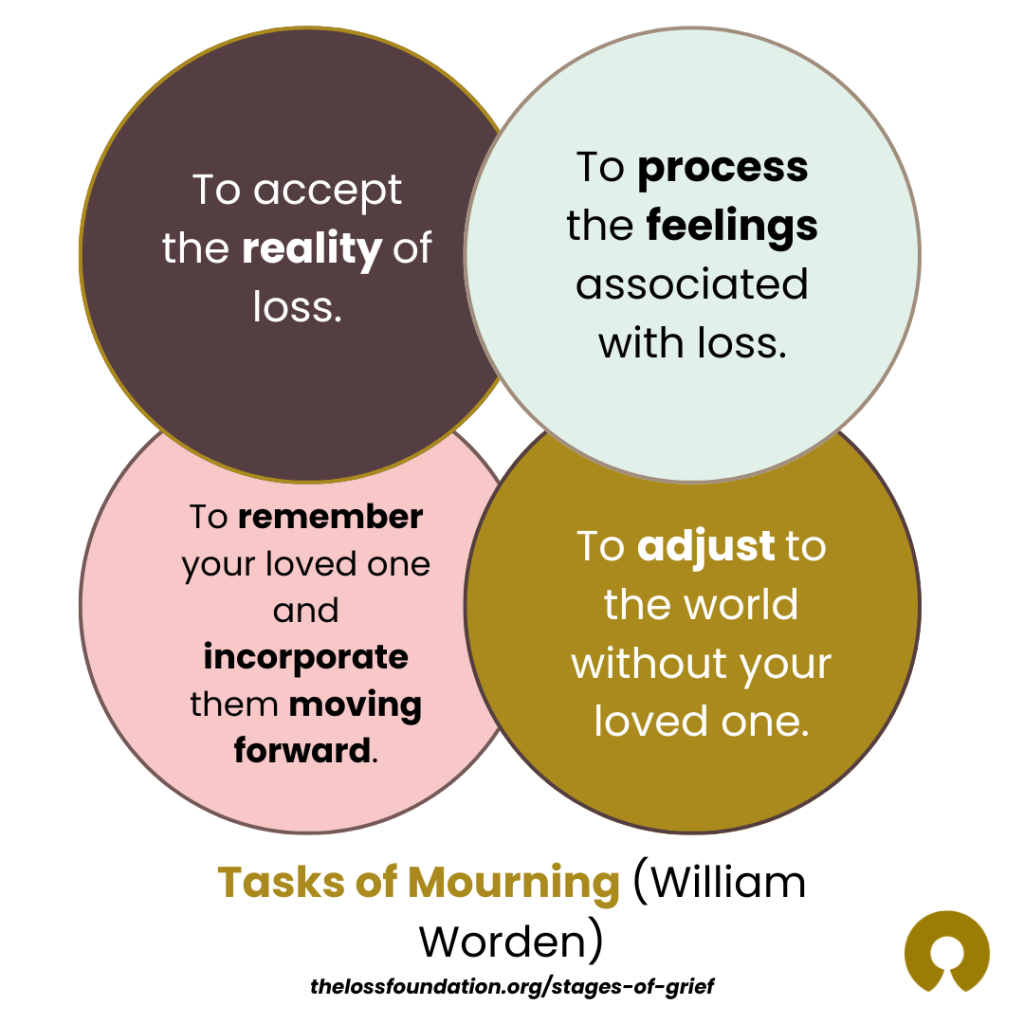
1. Accepting the Reality of the Loss
Children need opportunities to understand and acknowledge what has happened.
Activity Idea:
Create a memory box or scrapbook filled with photographs, written memories, favorite objects, or meaningful reminders connected to the person or pet they have lost.
This helps make the loss more concrete while creating space for remembrance.
2. Processing the Pain of Grief
Children do not always have the language to explain difficult emotions.
Play can often become the language of grief.
Activity Ideas:
- Use toys or figurines to act out feelings or experiences
- Provide a sand tray for symbolic expression
- Encourage open-ended emotional exploration through play
Try prompts such as:
- “Create a scene that shows what your feelings look like right now.”
- “If your feelings were a place, what would it look like?”
Sometimes children reveal more through play than conversation alone.
3. Adjusting to a World Without the Person They Lost
Grief often brings change to daily routines, family dynamics, and a child’s sense of normalcy.
Helping children recognize and talk about change can be incredibly important.
Activity Ideas:
- Write a letter to the person who died sharing updates or thoughts
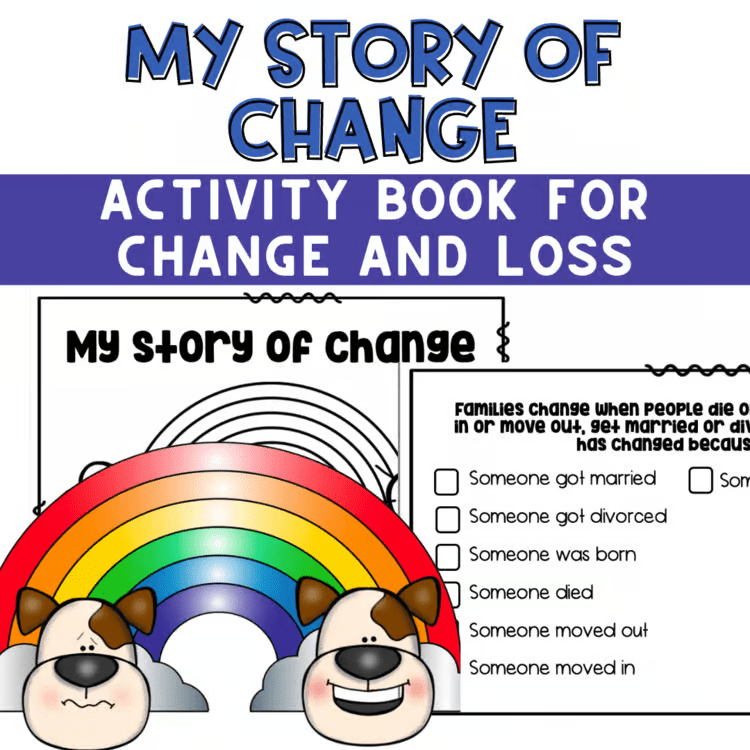
- Read stories about change and discuss connections
Reflection questions:
- Which character felt familiar to you?
- What change in the story reminded you of your own experience?
- What feels different now?
4. Finding an Enduring Connection While Moving Forward
Healing does not mean forgetting.
Children benefit from understanding that they can continue to carry love and connection as they move forward in their lives.
Activity Idea:
Plant seeds together in a small pot.
Caring for something living can become a beautiful way for children to honor the person they lost while building a new ritual of remembrance.
Books I Use to Support Students Experiencing Grief
Books can be one of the most powerful tools when helping children process grief.
Stories create safe opportunities for students to explore difficult emotions, ask questions, and see their own experiences reflected back to them.
Many of my favorite grief activities pair books with memory boxes, reflection discussions, and creative projects that allow students to honor important relationships.
Below are just a few of the books I have used.
You can find more here on Amazon or download the book list.
Amazon Grief book list
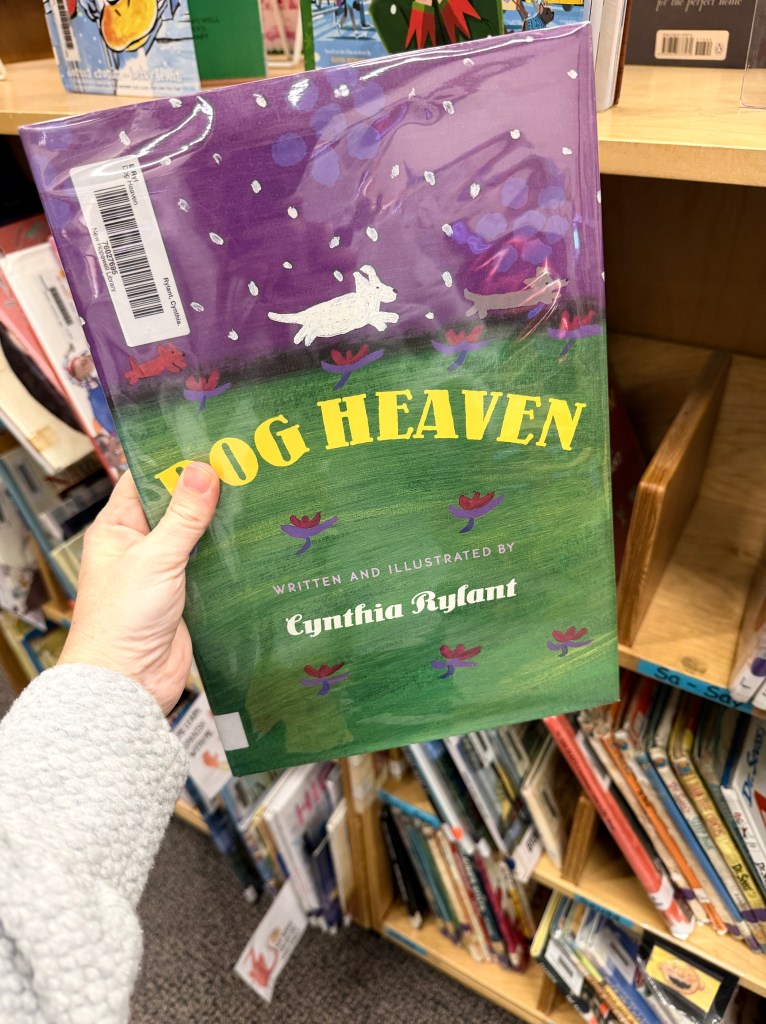
DOG HEAVEN AND CAT HEAVEN by Cynthia Rylant
Are you familiar with the Rainbow Bridge poem? These books bring the rainbow bridge to life.
Activity: I created a memory book for pets that you can get here.
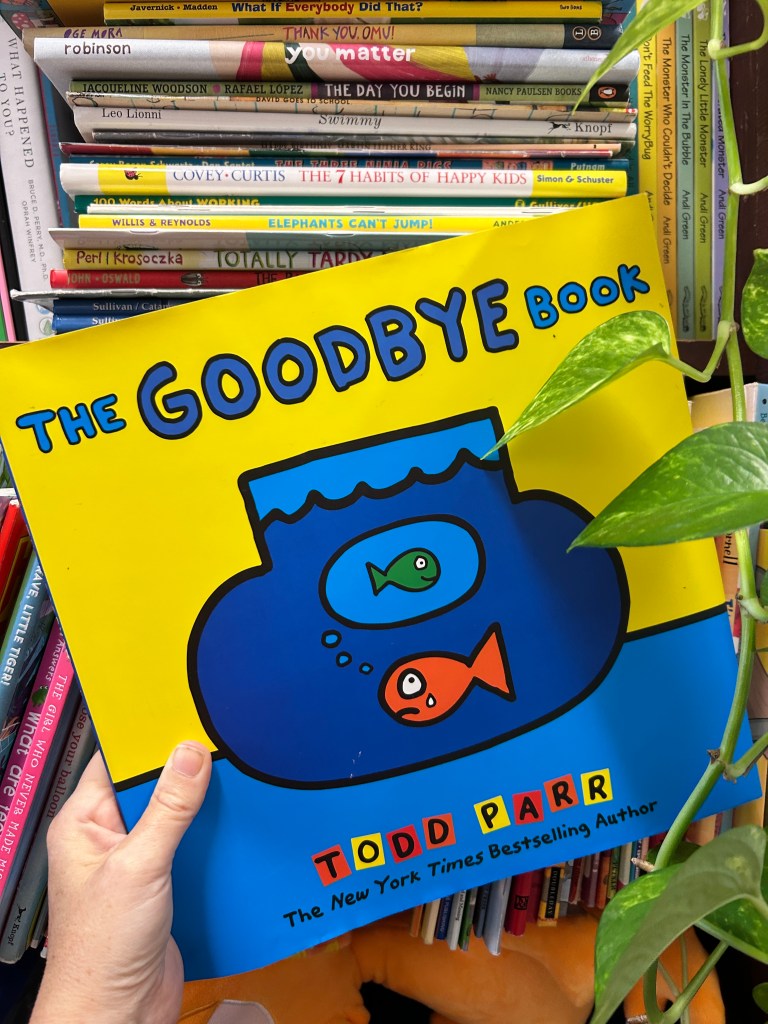
This beautiful picture book is funny and colorful, making it easy to talk about such a hard topic.
Activity: This book works to talk about all types of loss. After reading, create a memory book about the lost loved one or pet.
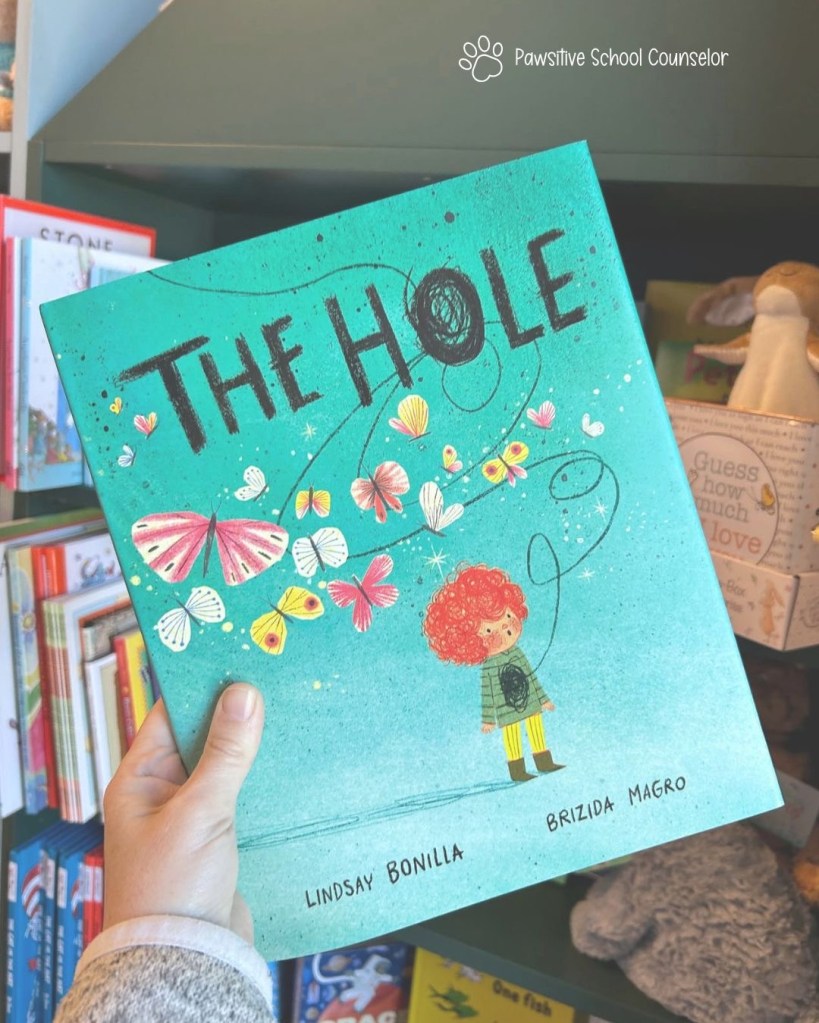
The story about the death of silbling, this wonderful book uses the “hole” to represent tough feelings of of missing your loved one. This one reminds that talking about our deceased loved one can bring comfort to us.
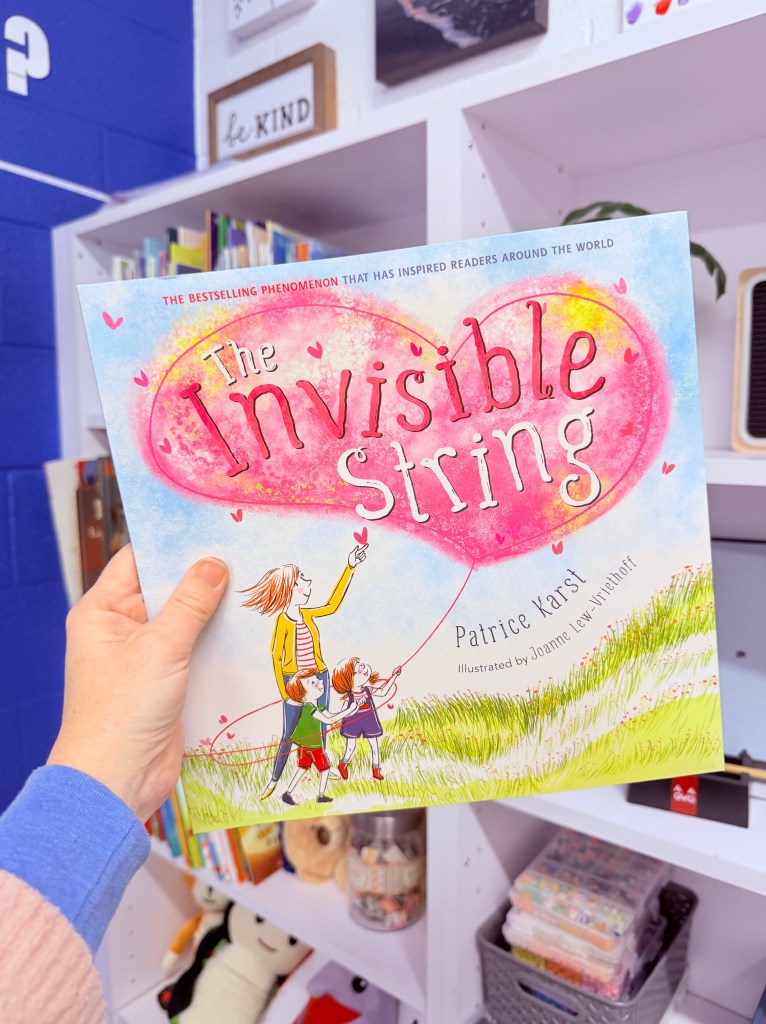
THE INVISIBLE STRING by Patrice Karst
This book is perfect for anyone who is missing someone they love- whether it be grief or just back to school. For anyone seeking assurance, this book has the message that love transcends and will always be there even when there is distance between us.
Activity: Partner with this worksheet on TPT.
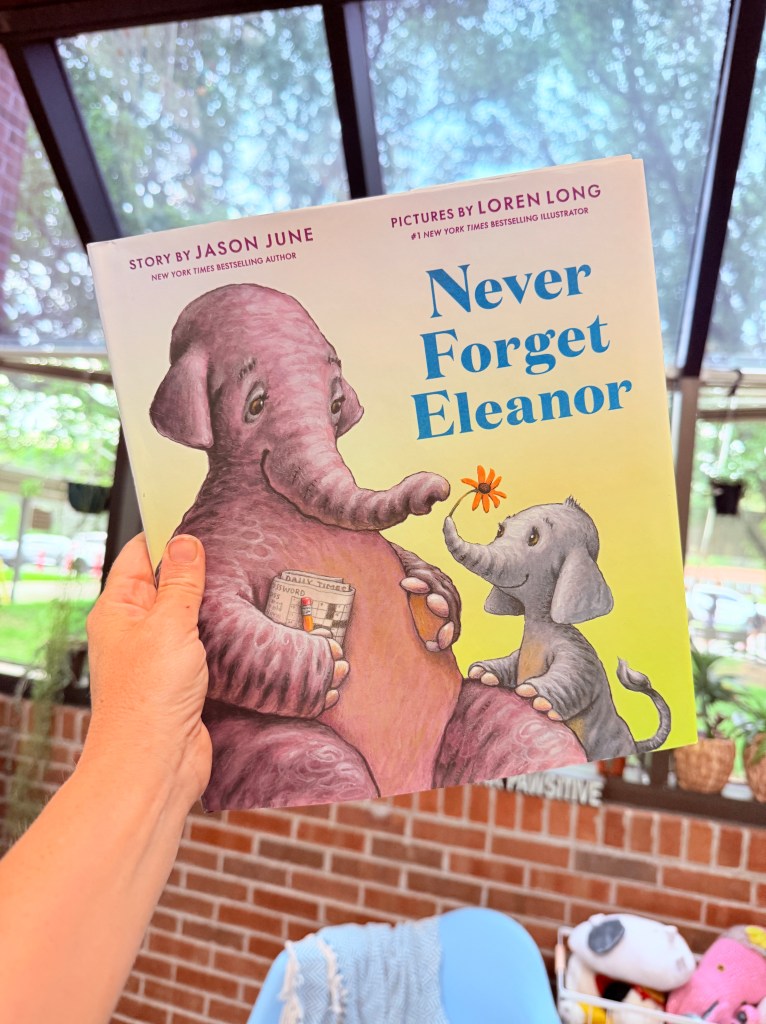
NEVER FORGET ELEANOR by Jason June
For families who’ve been affected by Alzheimer’s or dementia.

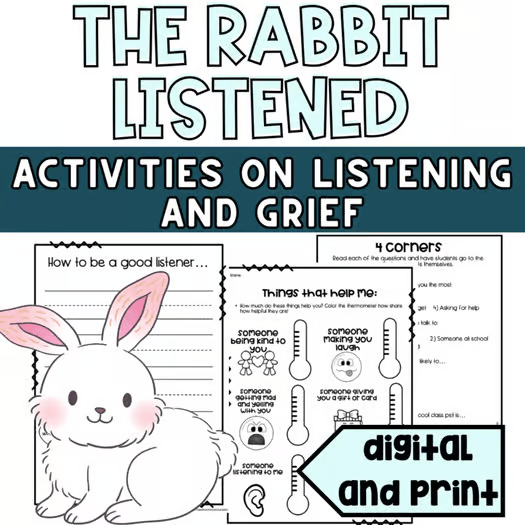
THE RABBIT LISTENED by Cori Doerrfeld
This book isn’t just about listening skills-it’s perfect for talking about how to support a friend as they grieve.

WONDERFUL GOODBYES by Kelly Wu
The story of a girl and her dog as they know the end grows near.
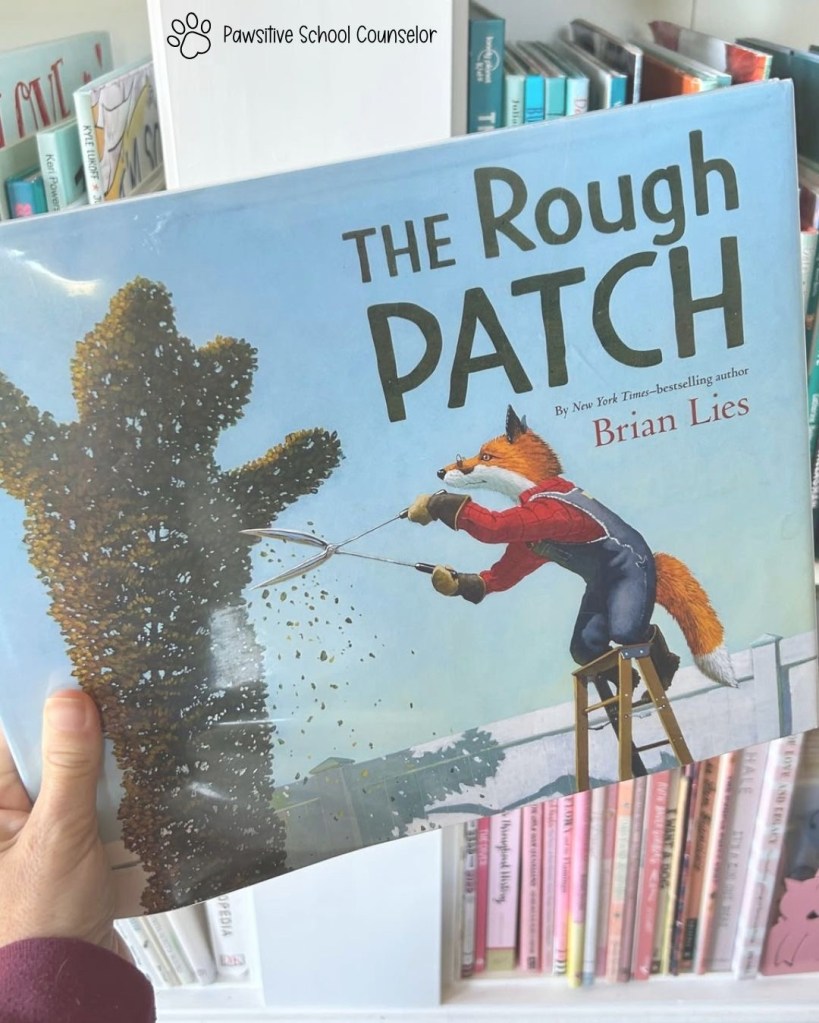
One day the unthinkable happens: Evan’s dog dies. Heartbroken, Evan destroys the garden and everything in it. This is a wonderful book to talk about the mix of feelings that come with loss.

FLORA’S WISH by Fiona Halliday
Follow Flora, a field mouse, as she loses her friend Lion (a dandelion) by her side. But as the seasons change, Lion’s whiskers go from a bright yellow to shimmering silver, until one day, he scatters in the wind completely.
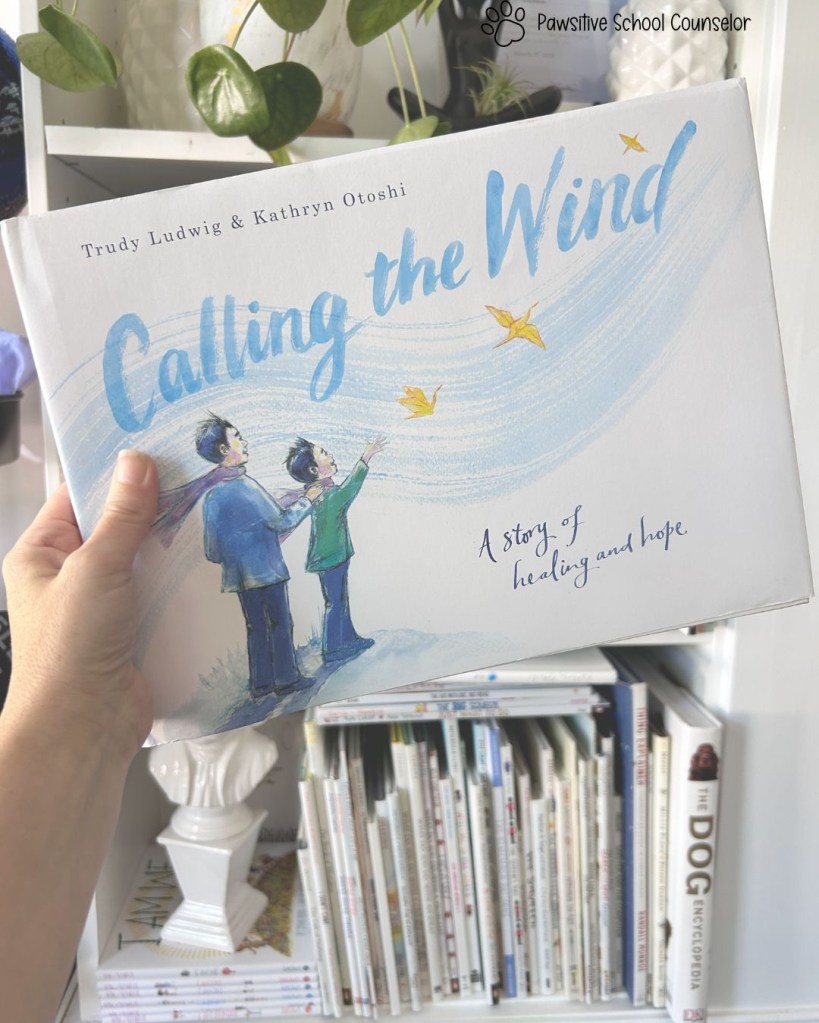
CALLING THE WIND by Trudy Ludwig& Kathryn Otoshi
“Inspired by Itaru Sasaki’s Wind Telephone, which brought healing to the people of Japan in the wake of an earthquake and tsunami this story explores grief and loss, and how we move forward by finding meaningful ways to connect with the family and friends we’ve lost, as well as those who are still with us.”- Amazon.
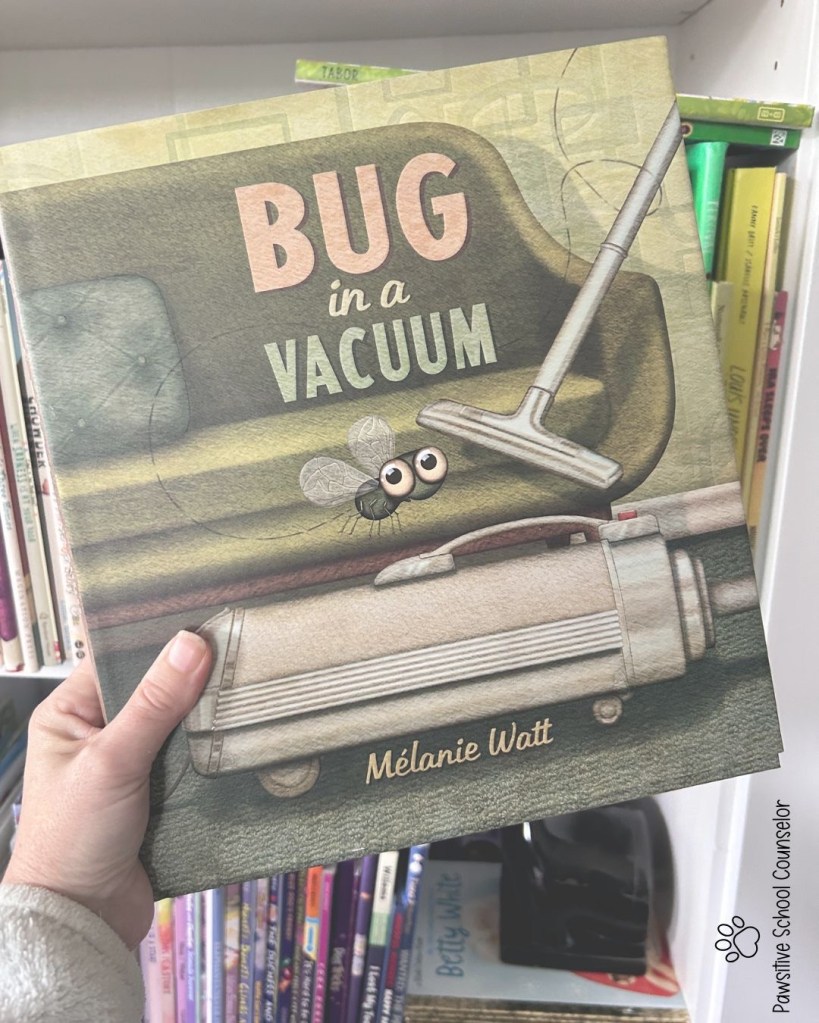
BUG IN A VACUUM by Melanie Watt
This picture book, which meets chapter book, follows a bug as he gets stuck in a vacuum and subsequently goes through the stages of grief.
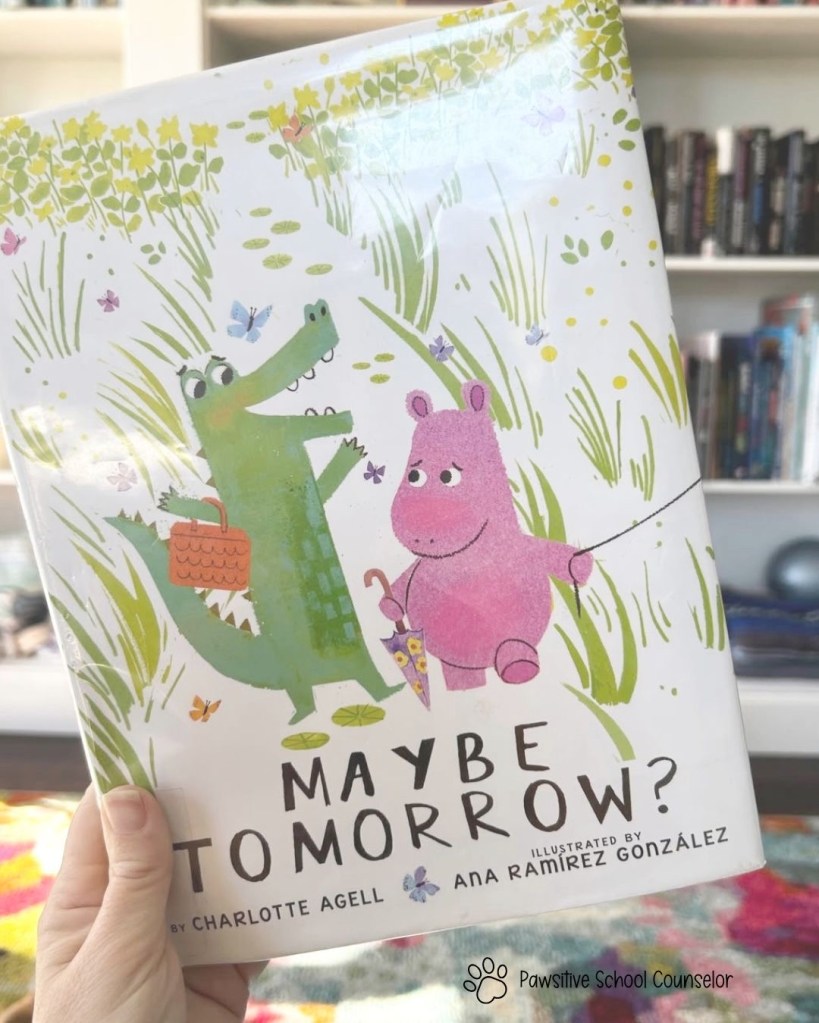
MAYBE TOMORROW? by Charlotte Agell
This tender exploration of loss is perfect for talking about how we can support someone experiencing a loss with kindness and empathy.

WHERE LILY ISN’T by Julie Paschkis
This book makes me cry every time I read it! It’s a tender reminder of the emptiness we feel after losing a pet. From under our feet to next to us in bed, their memory is always in our hearts.
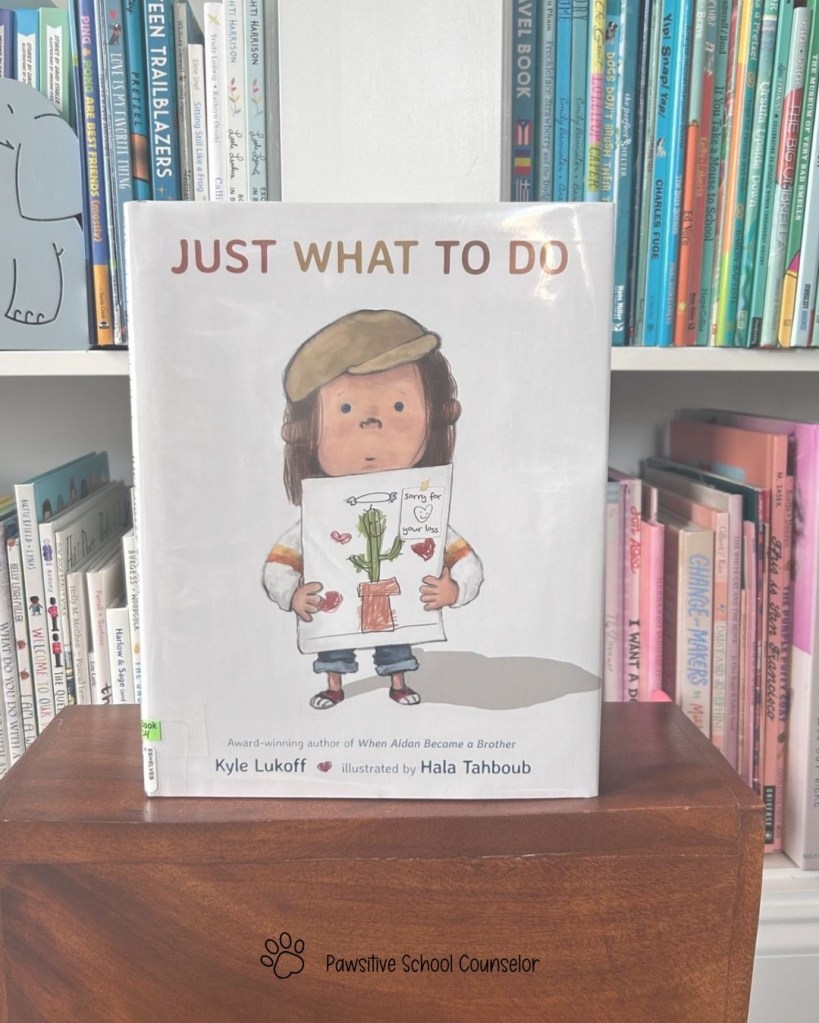
JUST WHAT TO DO by Kyle Lukoff
Read this book with the class or friends of the person who has experienced a loss. It’s a gentle reminder that we all grieve differently, and sometimes the best support we can give is to listen and respect what that individual needs.
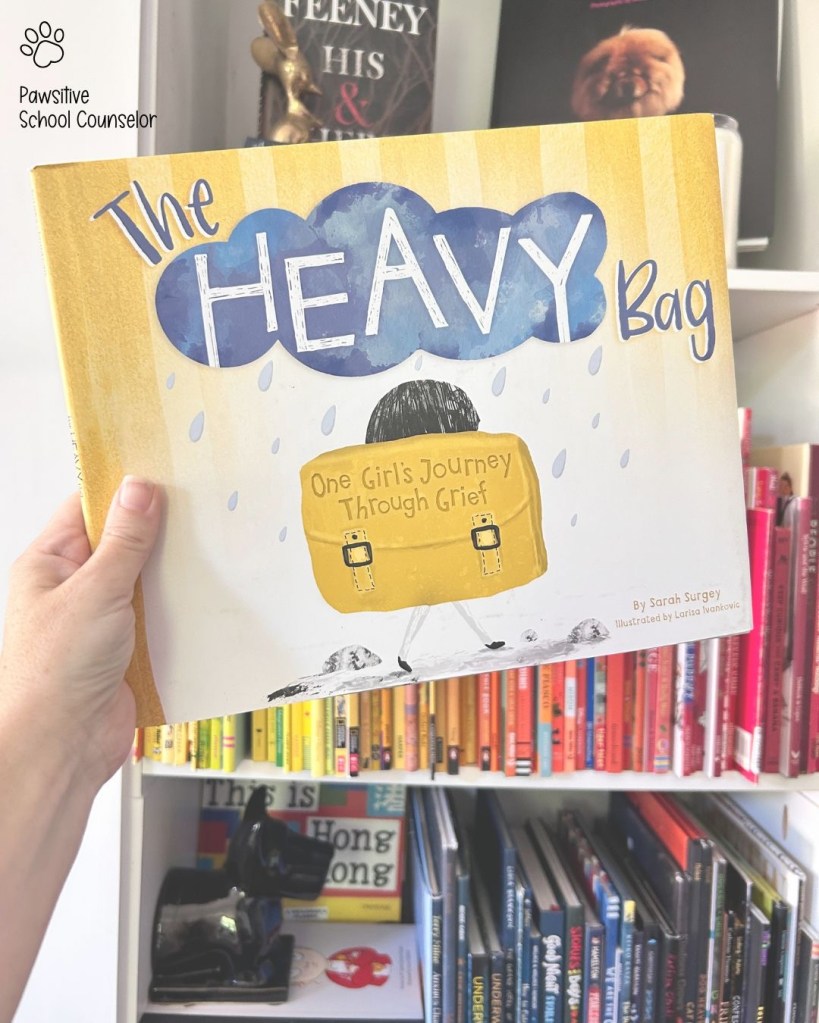
Enid’s grandpa has died, and she carries her grief in a heavy bag filled with special things that remind her of him. As she walks, the bag grows heavier, and her feelings become overwhelming. This bag goes on a journey through the 5 stages of grief.
Here is a downloadable list of books to support grieivng students.
Final Thoughts
Grief is not something children simply “move on” from.
As school counselors, we have the opportunity to create spaces where students feel seen, supported, and understood as they learn to navigate loss in their own way.
Sometimes the most meaningful thing we can offer is not having the perfect words.
It is simply creating space for children to know they do not have to navigate grief alone.
Shop The Post
Pin for Later


Leave a Reply