Picture books have a special way of helping children feel seen, understood, and less alone. A well-chosen story can open the door to conversations about challenges that may be difficult to put into words, while also celebrating the strengths, interests, and unique perspectives of every child.
In this post, I’m sharing picture books that can be meaningful tools for supporting children with dyslexia, dysgraphia, ADHD, autism, and other specific disabilities or medical conditions. These books aren’t meant to define a child by a diagnosis—they’re simply another way to build understanding, encourage empathy, and remind kids that there are many different ways to learn, communicate, move through the world, and experience life.
I’ve included several topics, so jump to the topic you’re looking for below. Need more titles? Don’t forget to check out my Big Book Database.
- Dyslexia & Dysgraphia
- ADHD
- Other specific disabilities or medical concerns
- General academic challenges
- Download The List
Dyslexia & Dysgraphia
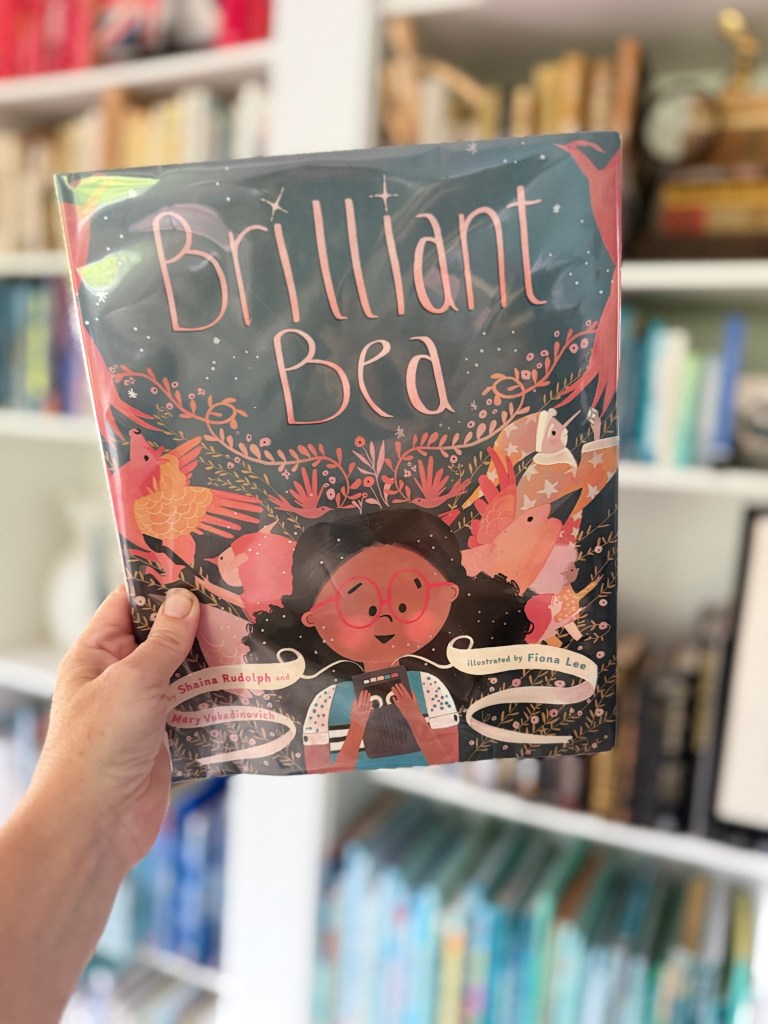
Reading and writing can be difficult for Bea, until a thoughtful teacher introduces a new way for Beatrice to share her stories.
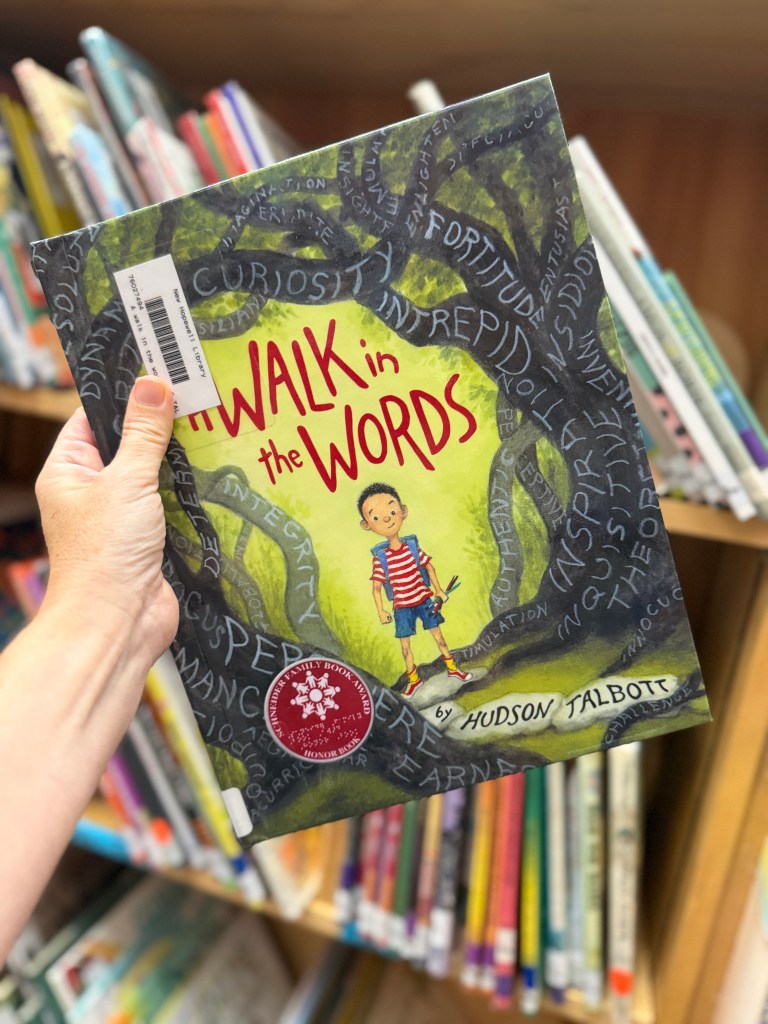
An autobiographical picture book recounts the author’s struggles and triumphs in learning to read.
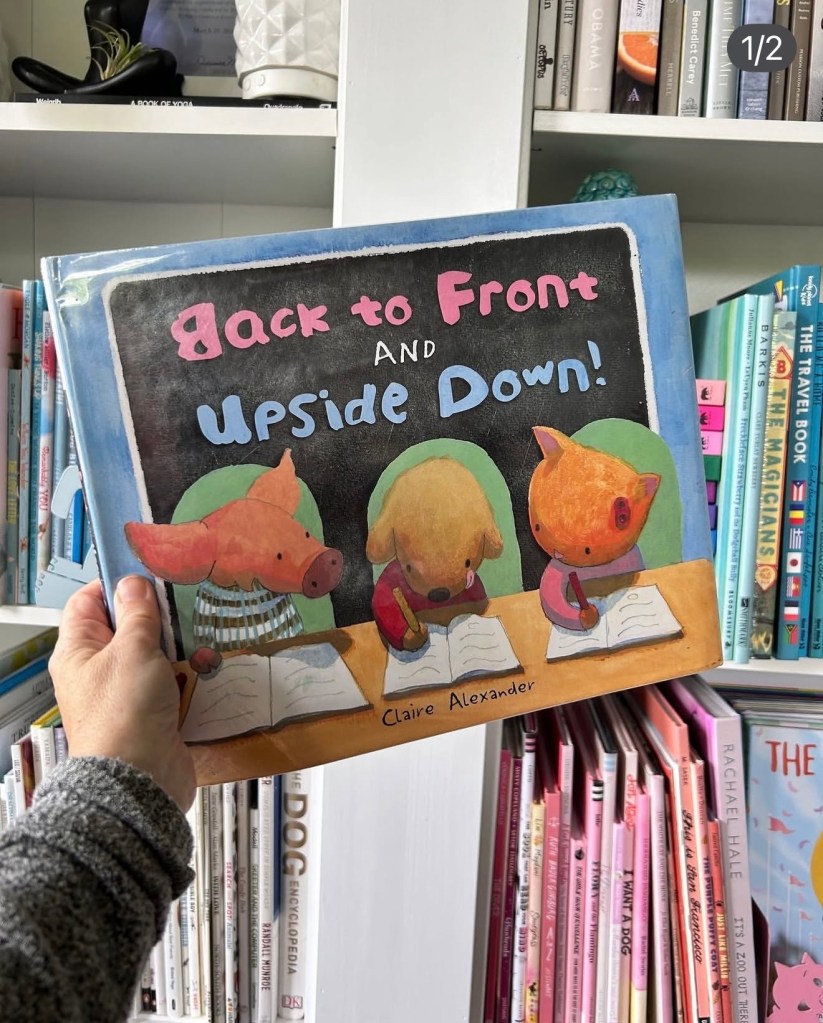
Back To Front and Upside Down!
Stan becomes frustrated when his letters come out all in a muddle. Stan is afraid to ask for help, until a friend assures him that nobody’s good at everything. Great for younger grades K-2.
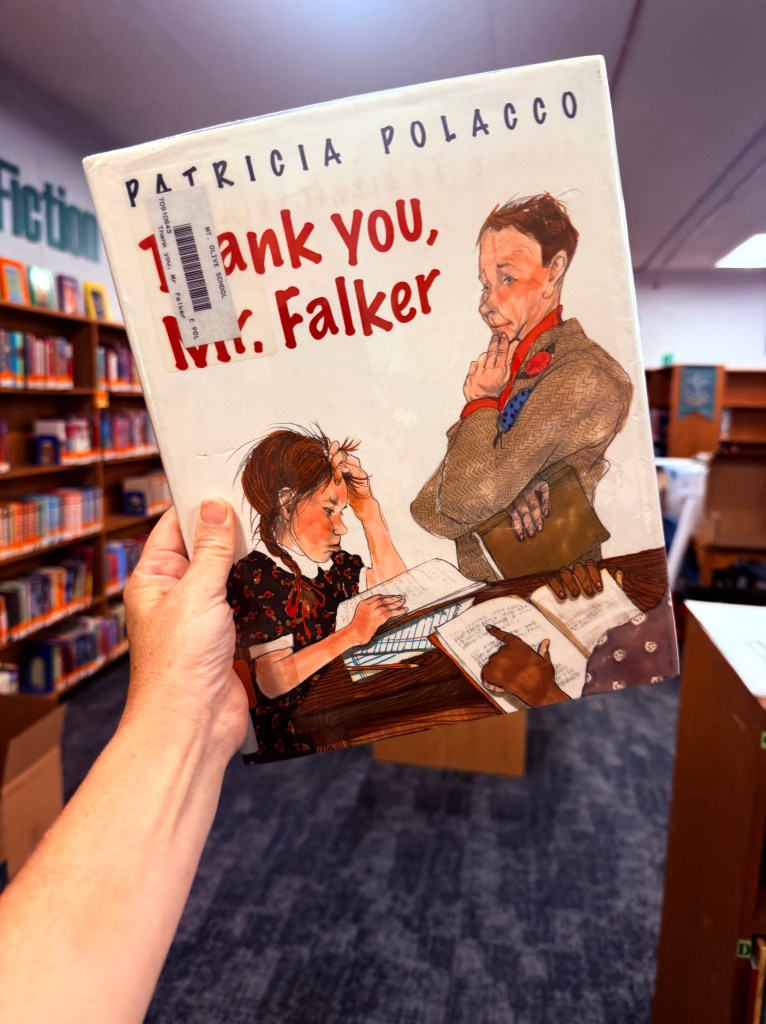
A classic story of a dyslexic girl and the teacher who would not let her fail. Can be used with a variety of grades (like 2-5). You can also watch at Storyline Online.
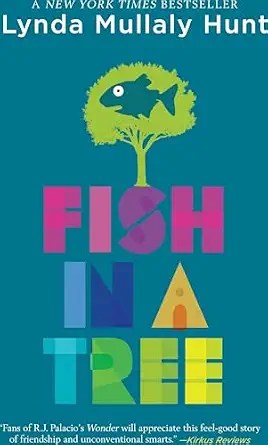
Ally is afraid to ask for help, until her newest teacher Mr. Daniels sees the bright, creative kid underneath the trouble maker. I like this chapter book for book clubs.
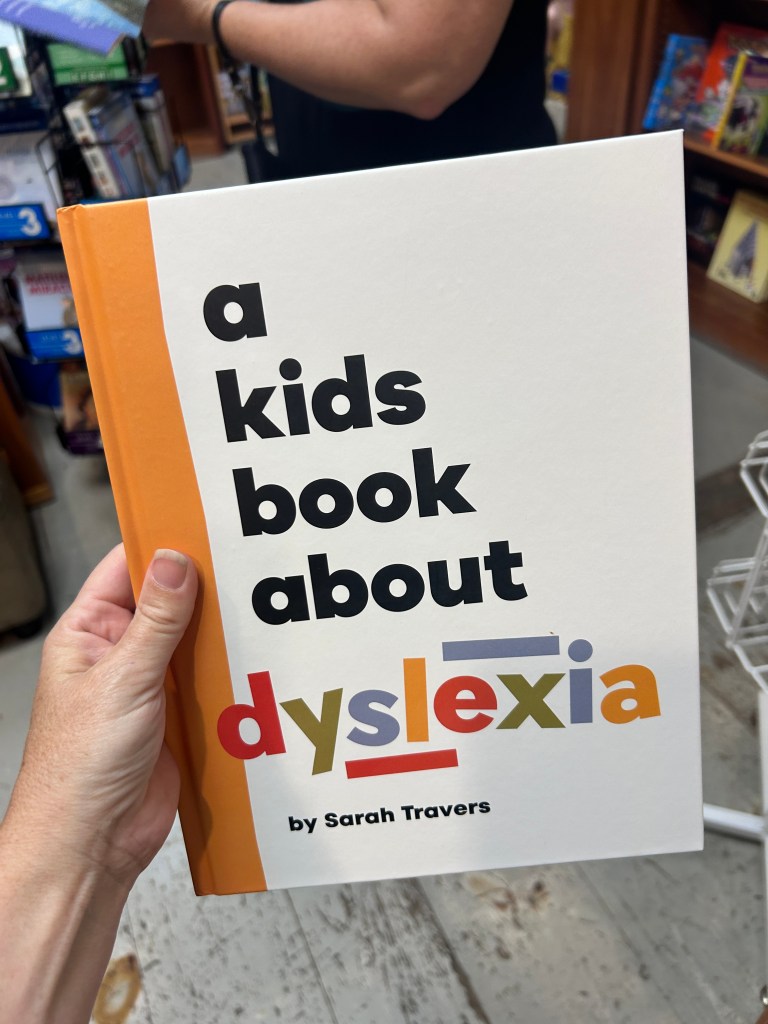
This book helps readers understand the ins and outs of dyslexia. The author shares her own experience with dyslexia and school, how to develop self-advocacy and adaptability.
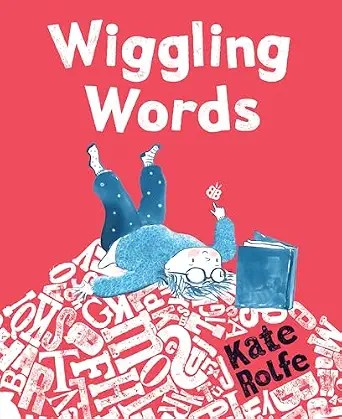
A visually stunning book, this author with dyslexia shares a child’s experience of neurodivergence through a creative world built from the shapes of letters.
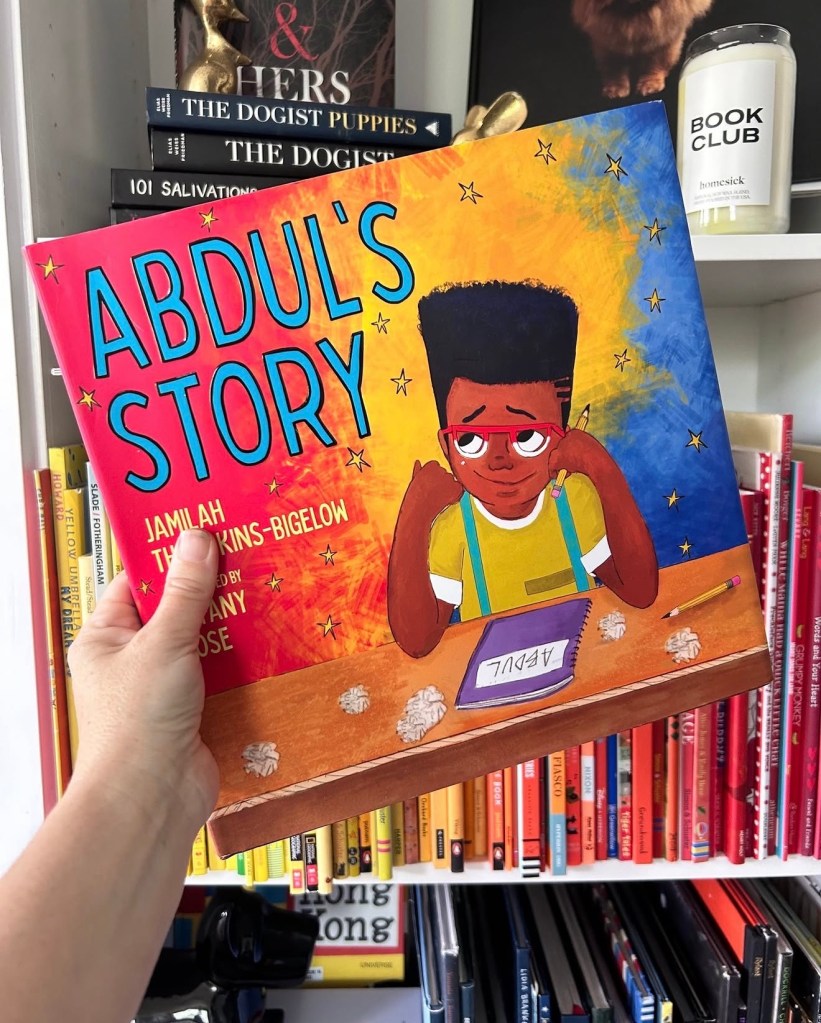
Abdul has a hard time writing down his stories, because the letters refuse to stay straight and face the right way. A special visitor comes to class and shows Abdul that even the best writers—and superheroes—make mistakes.
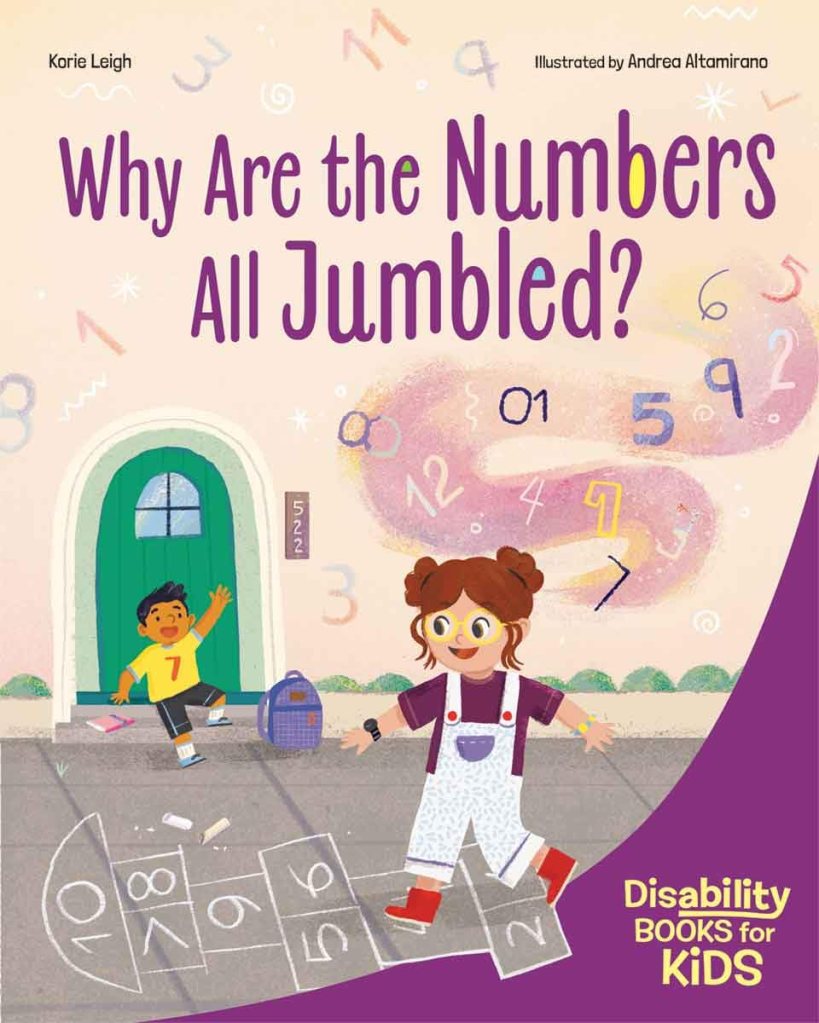
Why Are the Numbers All Jumbled?
The story of a young girl with dyscalculia, and the tools she learns to help her, like drawing pictures so she can see how numbers work. Draws on the author’s experience with dyscalculia for authentic representation
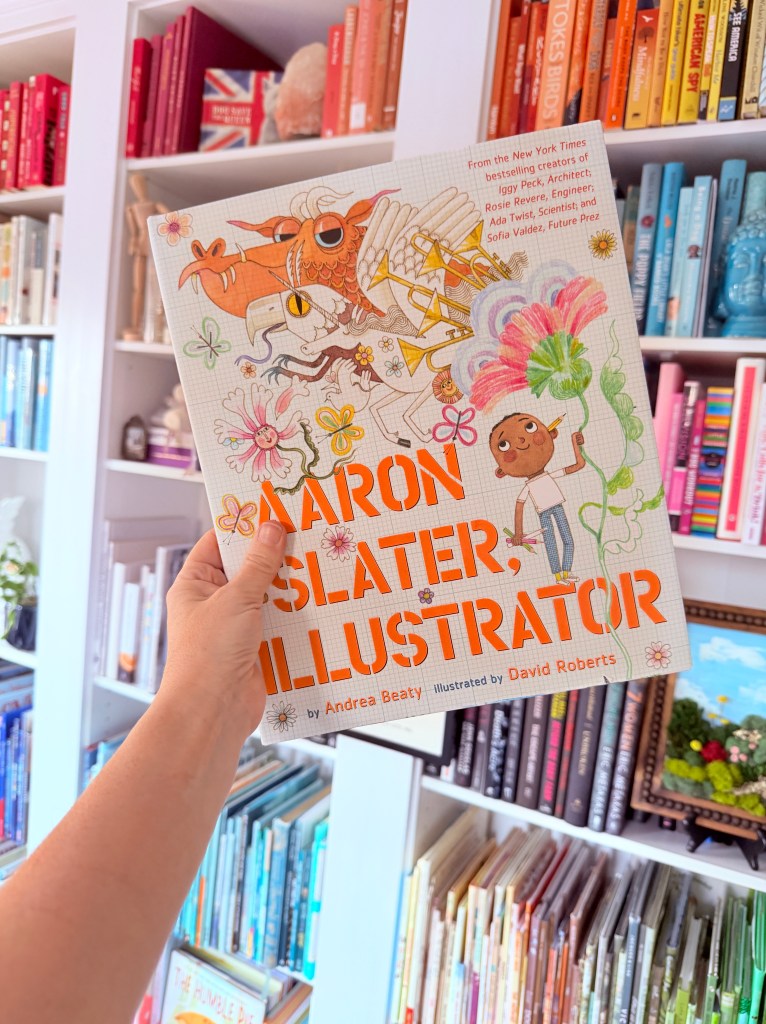
Printed with a dyslexia-friendly font, this is an empowering story of a boy with dyslexia who discovers that his learning disability may inform who he is, but it does not define who he is, and that there are many ways to be a gifted communicator.
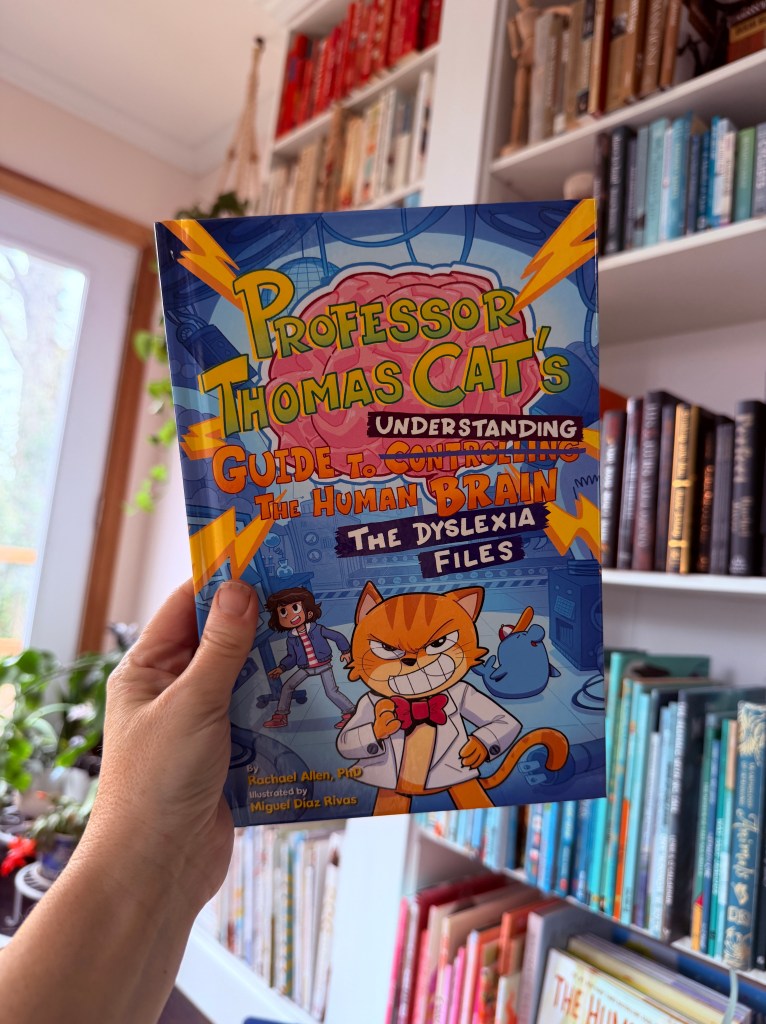
Professor Thomas Cat’s Guide To Understanding The Human Brain The Dyslexia Files
A graphic novel that helps middle grades understand eyslexia through humor, science, and real-life experience.
ADHD
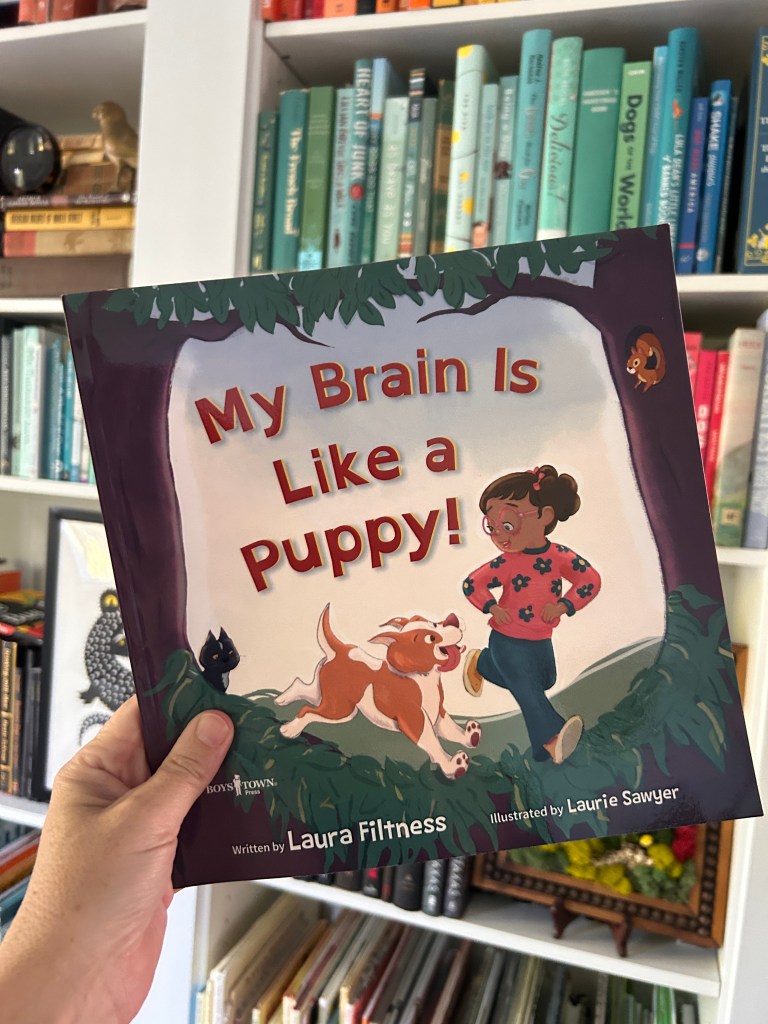
When Brooklyn starts to train her dog Boss to pass his Canine Good Citizen test, she realizes that Boss’s antics in class mirror her own challenges at school. Readers are reminded that, like puppies, sometimes it’s hard for our brains to “sit and stay”. But through practice and helpful strategies, such as problem-solving, grounding, naming emotions, and visual supports, children can learn to regulate their behaviors and emotions to become more mindful learners.
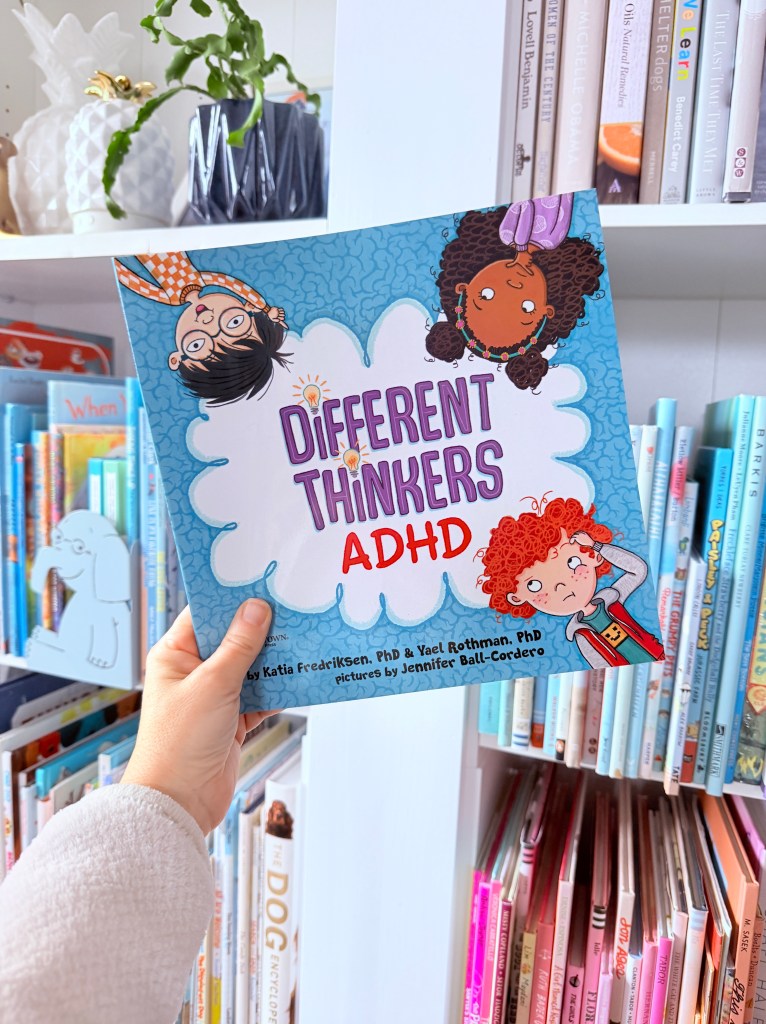
A child-friendly guide that strips away the stigmas, myths, and misconceptions associated with attention deficit hyperactivity disorder (ADHD)
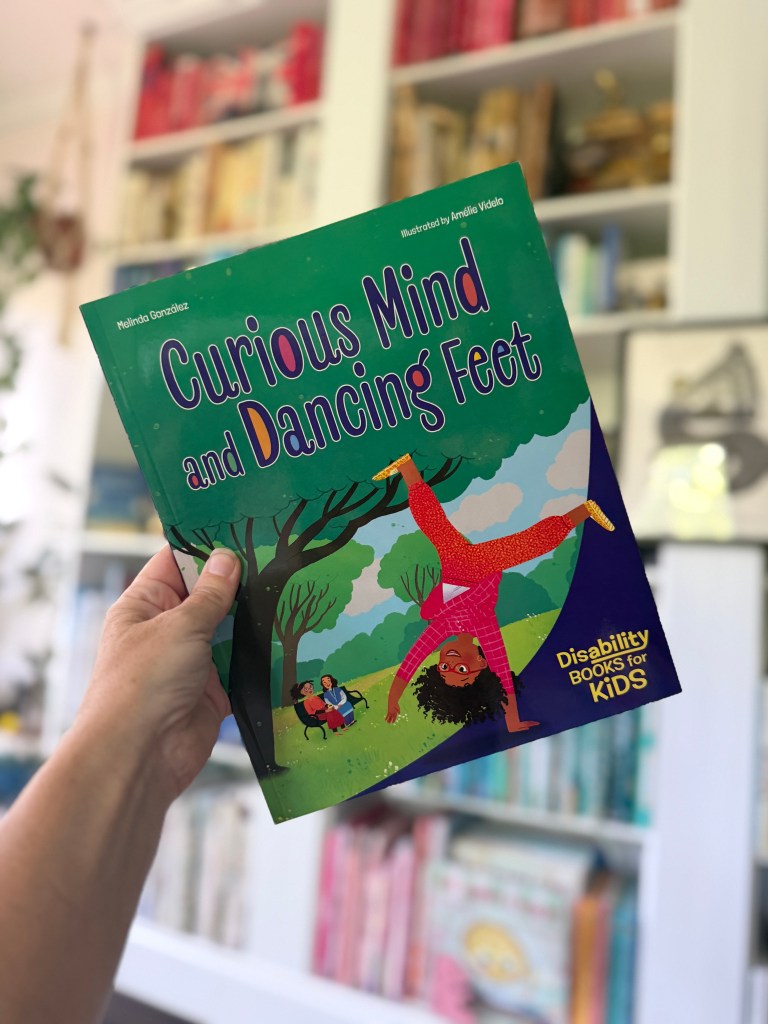
Curious Mind and Dancing Feet
A young girl explains what it’s like to live with ADHD. Sometimes her mind wants to wander, and she often gets the wiggles. But when it comes to bugs, she’s laser focused. Offers an honest portrayal of life with ADHD, including challenges and strengths. Features a Puerto Rican and Muslim girl as the main character
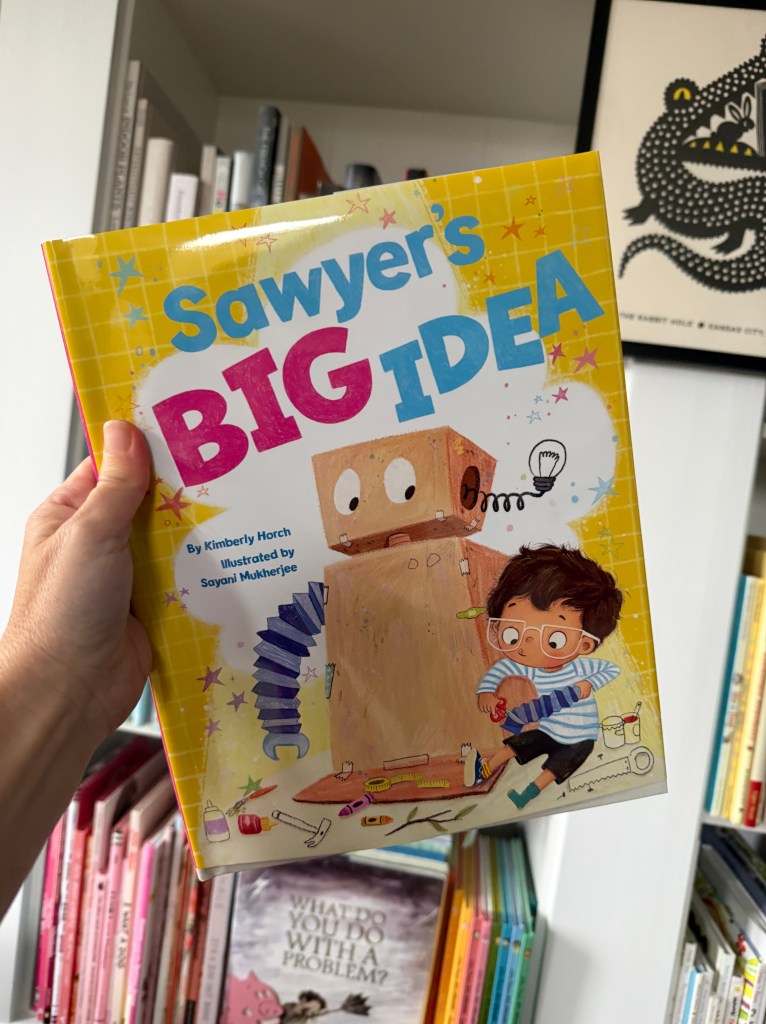
Sawyer wakes up bursting with creativity. He sketches, builds, imagines, and jumps from one idea to the next. But when things don’t go according to plan, frustration sets in. With a furry sidekick by his side and a day full of half-finished projects, Sawyer learns that even when nothing gets “done,” a day filled with imagination still counts.Includes a reader’s note with tips for supporting children who struggle with focus
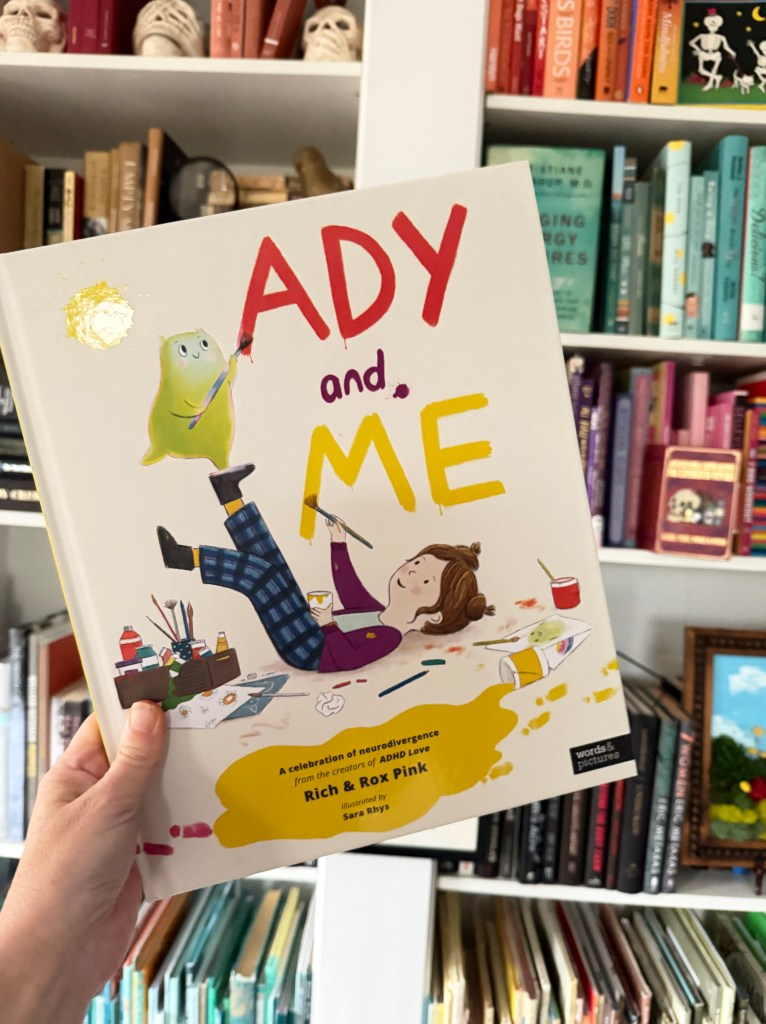
Children learn to understand, accept, and celebrate neurodivergence through a simple metaphor for life with ADHD. Drawing from their own experiences, Rich and Rox remind readers that ADHD isn’t something to be ashamed of—it’s something to understand and celebrate.
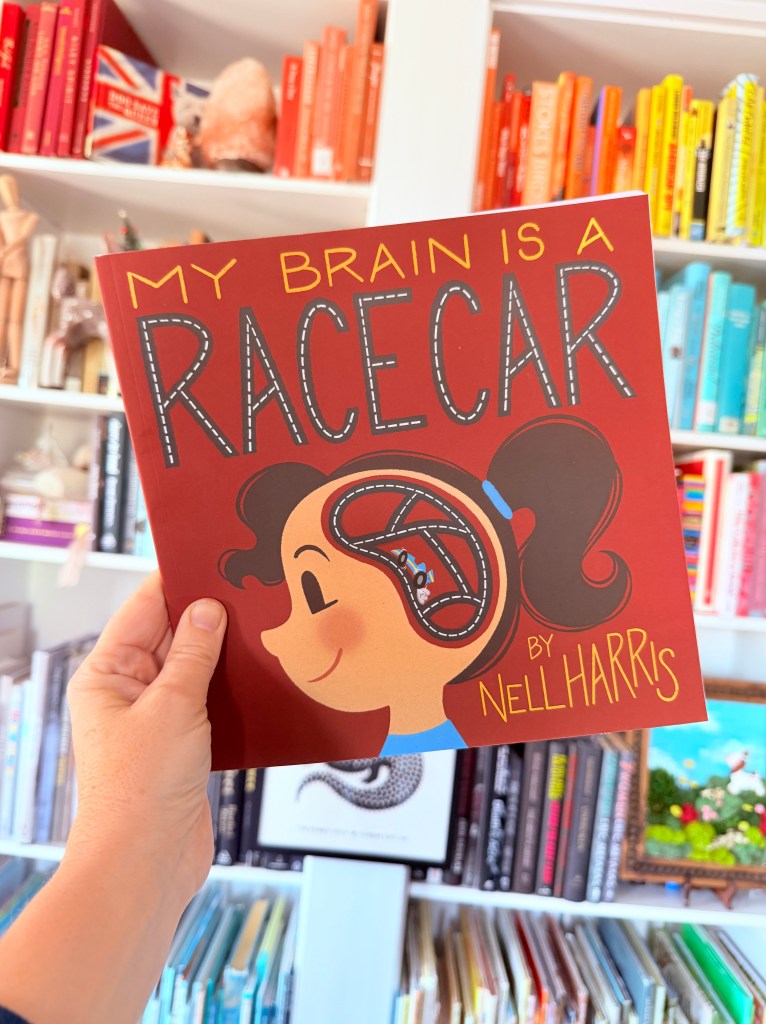
Inspired by the author’s daughter, this story compares the ADHD brain to driving cars fast all the time and not servicing or maintaining them.
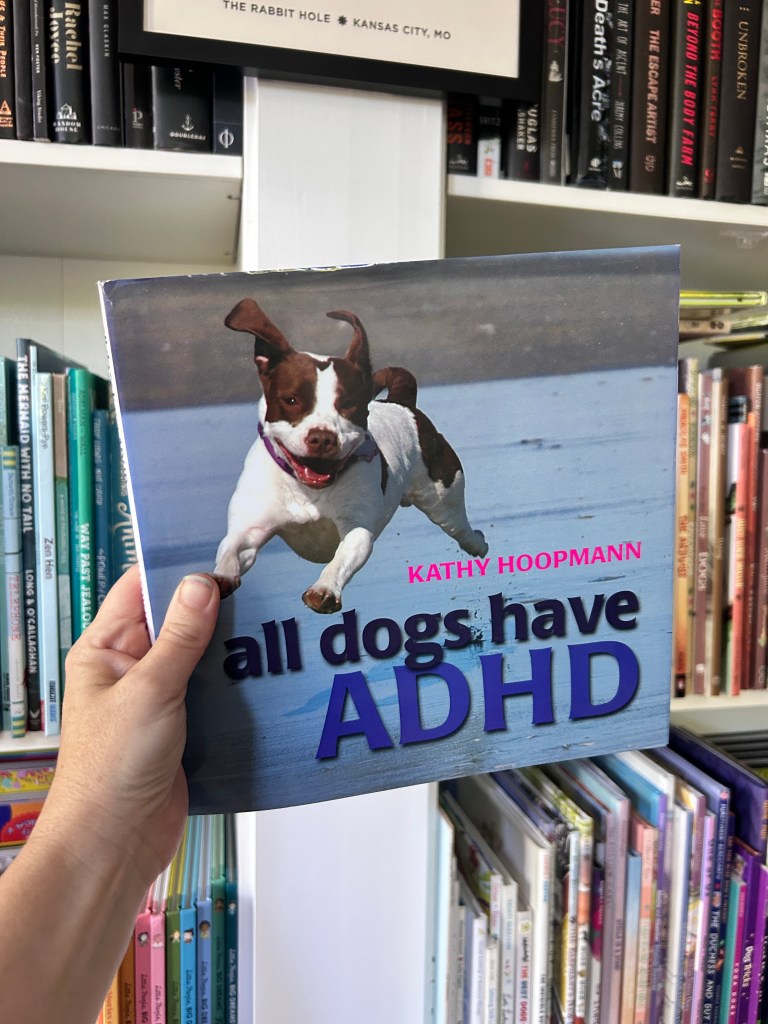
This book uses adorable photos of dogs to show some of the traits that people with ADHD may recognize—like being restless or excitable, getting distracted easily, and acting on impulse.
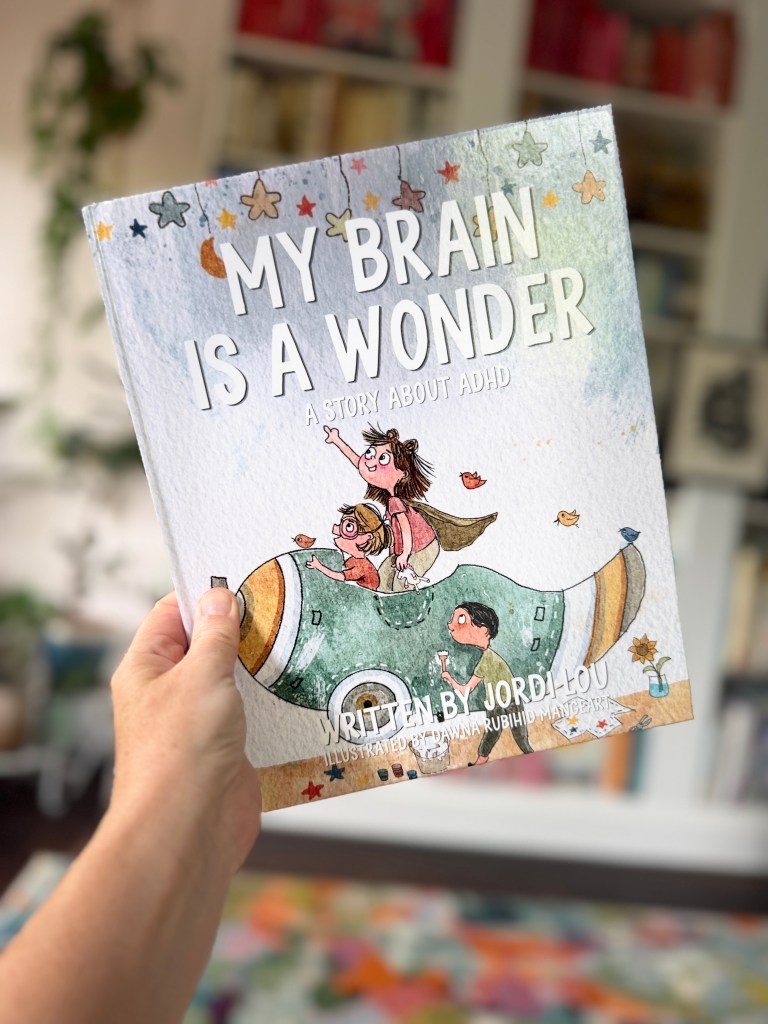
My Brain Is A Wonder
A child discovers that a fast-moving, buzzing brain isn’t something to hide—it can be a superpower. With support from a loving mom and teacher, they learn to embrace both the challenges and creativity that come with it.
Other specific disabilities or medical concerns
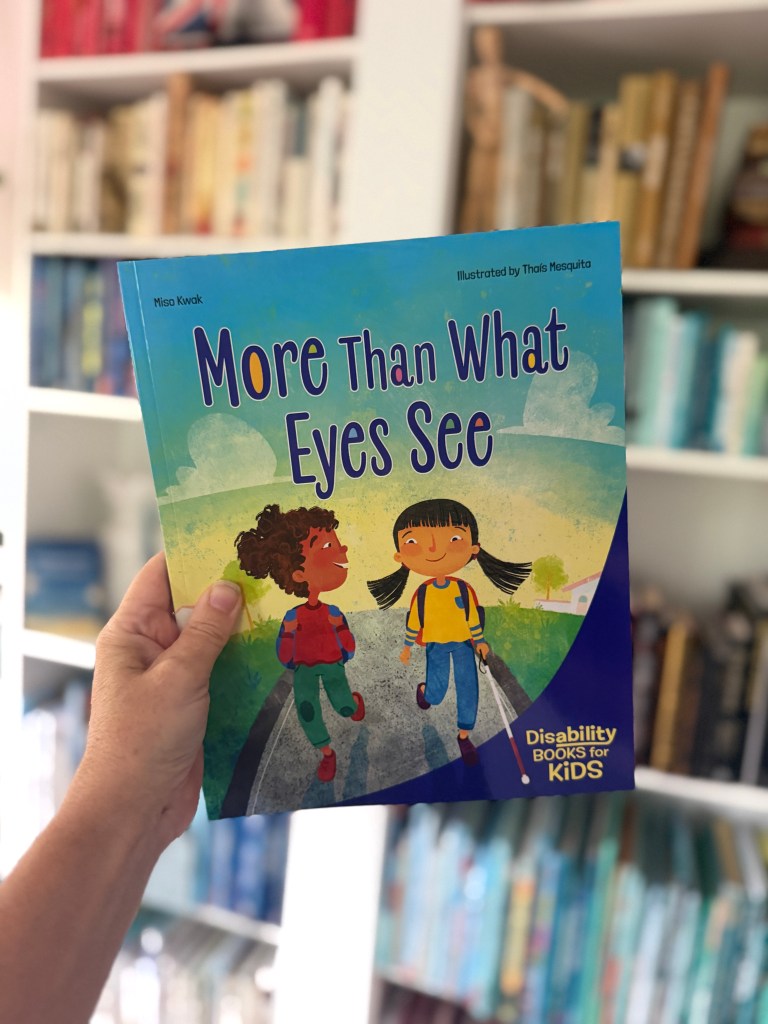
Maya explains what it’s like to be blind. Sometimes she feels left out when she can’t do all the things sighted kids can do. But then she remembers her many great qualities and abilities
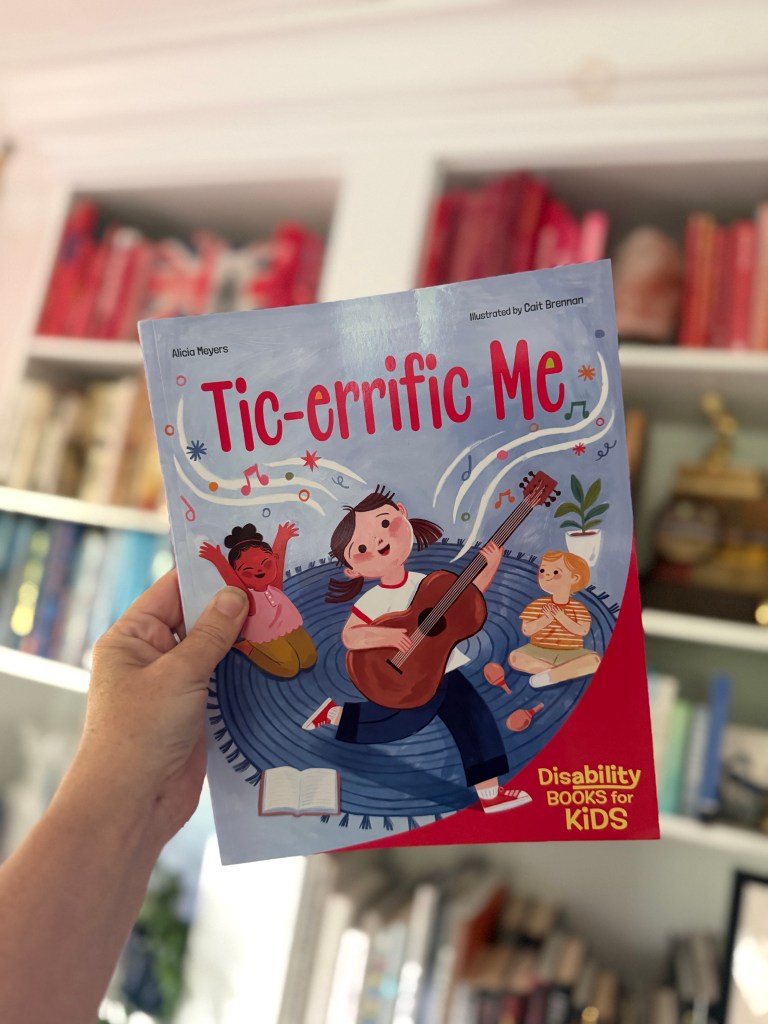
A young girl explains what it’s like to live with Tourette’s. Her verbal and motor tics come and go, and she never knows which tics will join her in her activities. Over time, she has learned that playing and relaxing help her tic less, and there are other things that make her tic more.
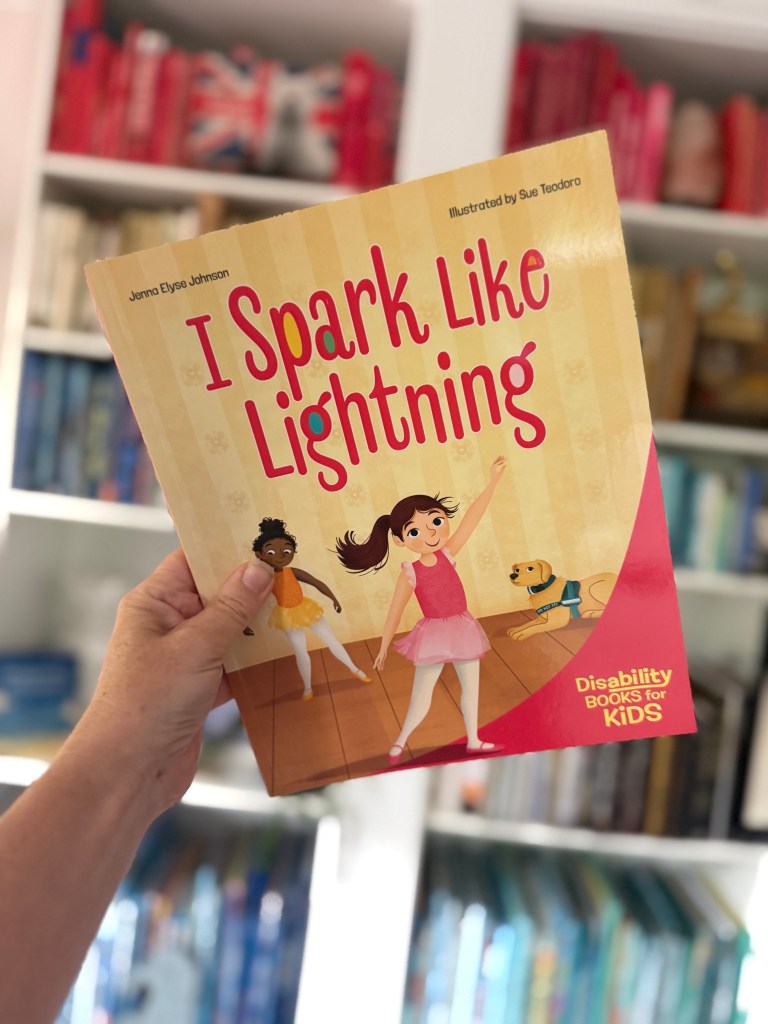
Jen explains what it’s like to live with epilepsy, using a “lightning storm” metaphor to describe her seizures. With support from her family, friends, and service dog, Hamilton, she learns to manage her epilepsy and embrace it as part of who she is.
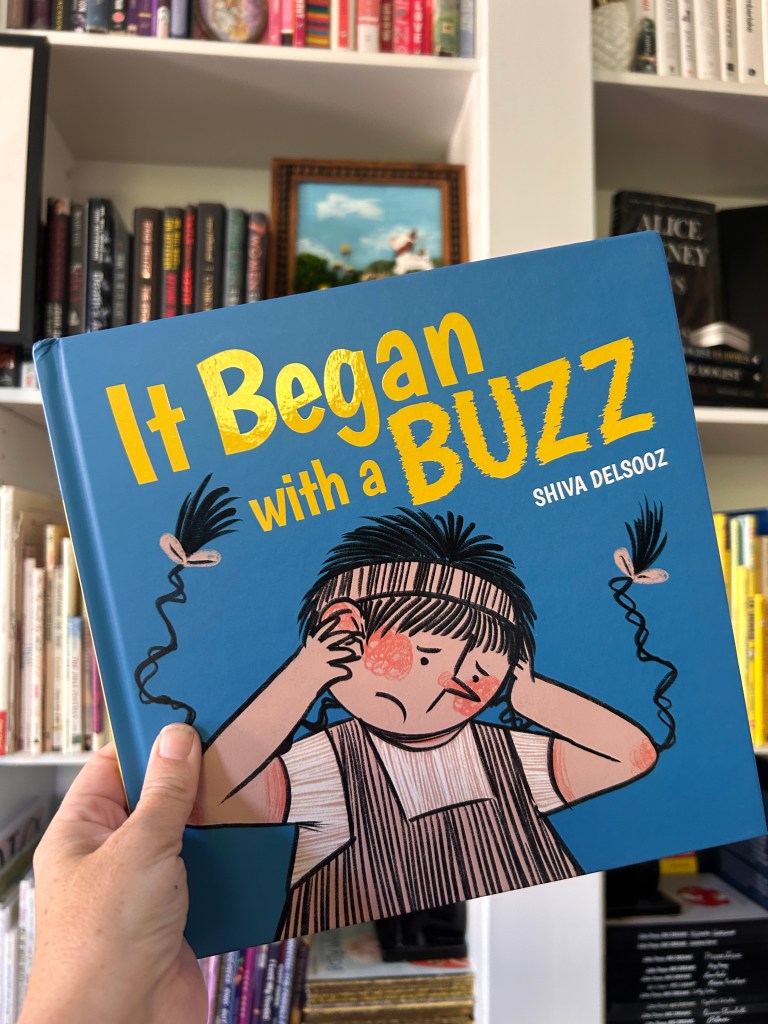
A girl struggling with tinnitus feels isolated by the constant buzzing in her ear. When she discovers that music helps quiet the noise, she finds a way to cope and stay resilient. Inspired by the author’s own experience with hearing loss and tinnitus.
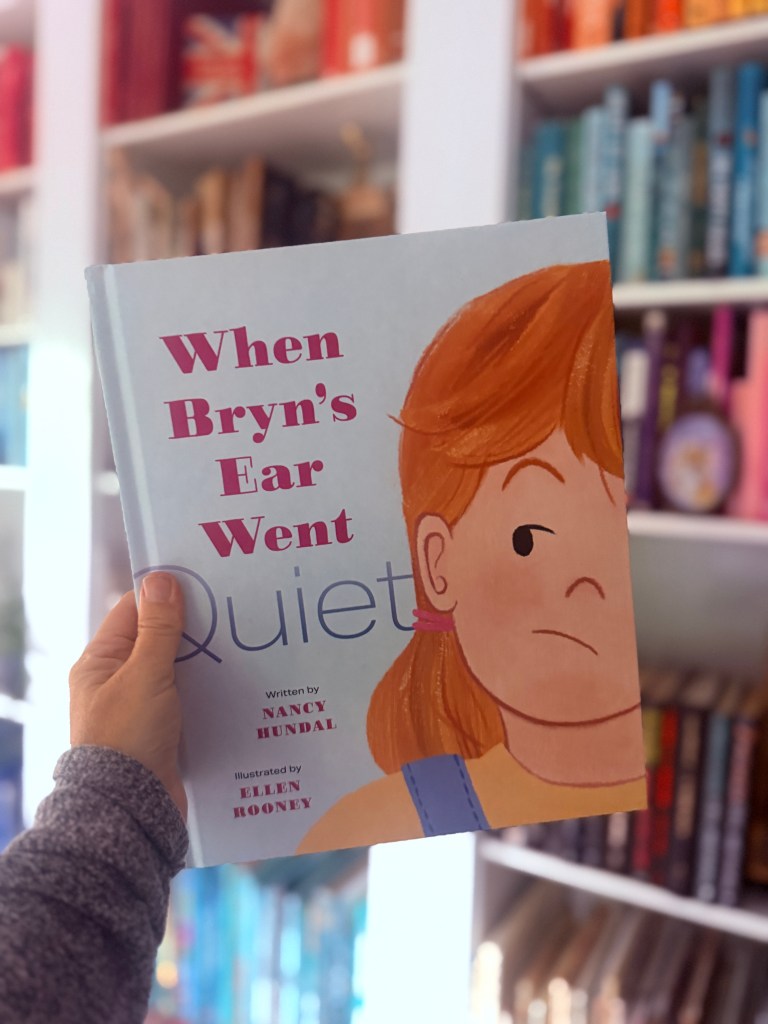
Bryn prepares for cochlear implant surgery to improve the hearing in her right ear. With support from her parents and medical team—and a little help from her lucky rainbow elastic—Bryn works through her fears and looks forward to hearing birds and her mother’s singing again.
General academic challenges
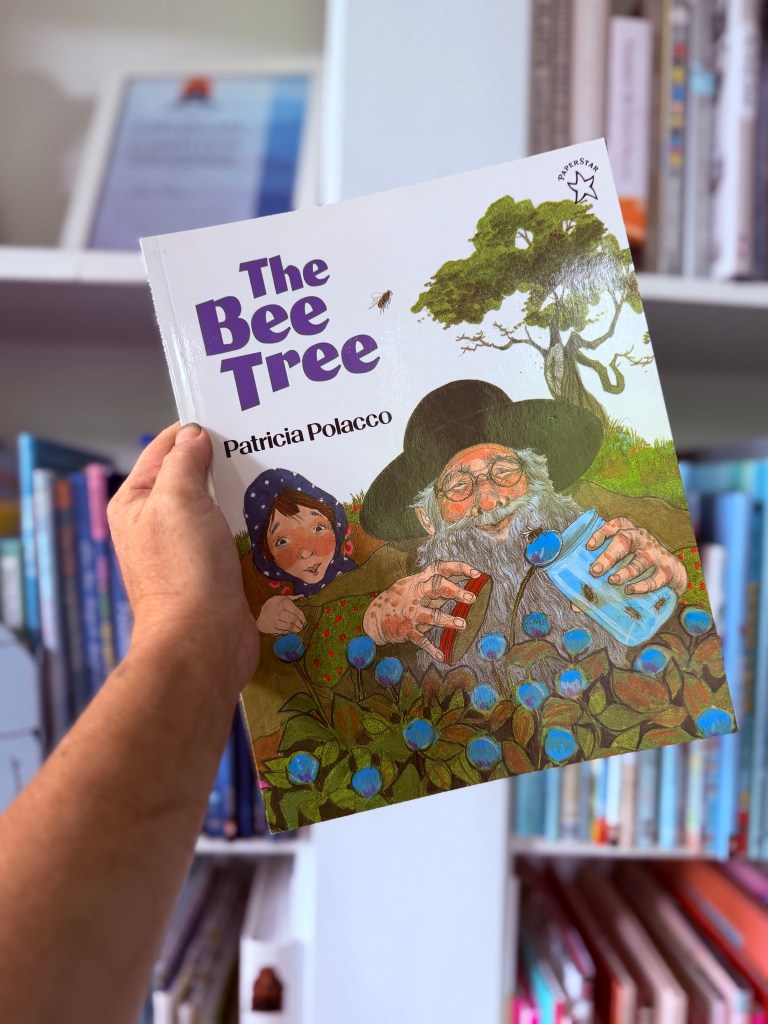
A young girl named Mary Ellen grows bored and frustrated with her reading lessons, her grandfather helps her realize that just like the sweet reward of honey, learning and reading require effort, patience, and hard work.
Whether you’re a counselor, teacher, parent, or other caring adult, I hope these picture books give you a few new titles to add to your bookshelf and a few new ways to start meaningful conversations with the children in your life.
Sometimes a story provides the words a child needs to understand their own experience, and sometimes it helps another child better understand a friend or classmate. Most importantly, I hope these books help create spaces where children feel accepted for who they are, supported in the areas where they need help, and celebrated for the strengths that make them uniquely themselves.
Download The List
Please note this post contains affiliate links.


Leave a comment