Picking a right fit book and finding it affordably can feel overwhelming. I frequently get asked where I get all my books. Finding the right book for a great price is one of my favorite adventures. Here are my tips on picking the right book for you:
How to Know a Book is Just‑Right”

I like to start by asking:
“How will I use this?”
“Who’s my audience?”
Even the most beautifully written story won’t land well if it’s used in the wrong setting. Some books shine in a cozy, one-on-one conversation, while others spark powerful discussions in a whole-class setting. Think about the goal of the lesson or session—are you introducing a topic, helping a student process emotions, or facilitating a group discussion?
💡 Remember: Picture books aren’t just for little kids.
Their visual storytelling, layered themes, and emotional accessibility make them excellent tools for middle and high school students, too. A book that seems simple on the surface might open the door to deep conversations about empathy, identity, grief, or change—especially when paired with the right questions.
Use books:
- 1:1 for personalized reflection or when supporting a student through something sensitive.
- Small groups to foster connection and discussion.
- Whole class to introduce a concept or build shared language for social-emotional learning.
Instead of asking “What age is this book for?”, try asking:
“What message does this story offer, and who might need it most right now?”
Here are a few more questions and considerations I think about when I’m browsing.
- What is my purpose? Are do I want to accomplish by reading this book? Use the “Five‑Finger Rule”: Read a page (e.g. the second page), and hold up a finger for each word the child doesn’t know. If they have five or more, try an easier title. This ensures reading stays accessible and enjoyable. Source: Reading Rockets.
- Factor in interest and identity: Choose stories that reflect the student’s background, current emotions, or social experiences—they’ll connect more deeply and learn more effectively. Source: confidentcounselors.comdestinationknowledge.com.
- Balance reading levels: Aim for a mix of fun, challenge, and learning—especially when students read independently. Source: Scholastic.

✨ Know Your Audience—Beyond the Grade Level
It’s easy to assume that if a book is recommended for a certain grade, it’ll work for any class at that level—but that’s not always the case. Every classroom has its own personality, preferences, and dynamics. A story that gets laughs and love in one room might fall flat in another.
For example, I’ve had some 5th graders who adore Todd Parr, and others who groan the moment I pull out one of his books. It’s not about the book—it’s about the audience.
✨ Know your group. Know their humor, their maturity, and their energy.
And don’t be afraid to learn as you go! If a read-aloud totally flops, that’s okay—it gives you valuable information for the future.
✨ Connect your book to your goal and standards.
Once you’ve considered your audience, it’s time to connect your book to your learning goals.
Think about what you’re trying to teach. For example, if I want first graders to work on social skills like taking turns, I might choose an Elephant & Piggie book. The humor, repetition, and relatable situations make it the perfect entry point for young learners.
Then I look at my standards and ask:
- How can I extend this book into an activity that helps students demonstrate understanding?
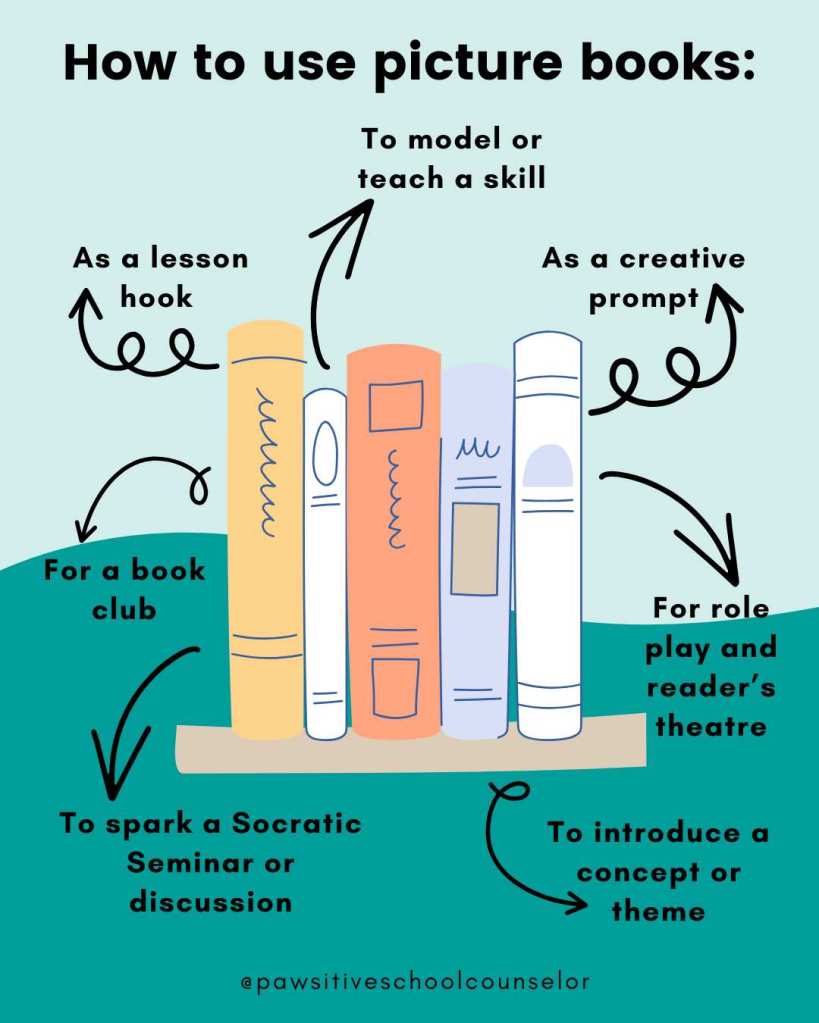
In this case, a Reader’s Theatre works perfectly. It’s age-appropriate, fun, and provides a chance for students to practice expressive reading, collaboration, and turn-taking—all while showing they’ve internalized the skill.
Whether your focus is on SEL, literacy, or a core academic concept, selecting a book with intention—and planning how students will interact with it—makes all the difference.

✨ Check out the ending!
I’ve found some great books that initially seemed promising, but their endings were disappointing. Many charming picture books about bullying or friendship have “miracle endings” that resolve issues unrealistically, such as one character being eaten.
This may mean I need to skip the ending, leaving my students in suspense, or bypass the book altogether.
However, I also enjoy using fun books to introduce lessons and capture my students’ attention. I’ve even asked them to create their own endings for some stories.
Where to Purchase Books (new and updated as of mid‑2025)

How do you purchase the book with little or no money?‘
There are many ways you can save money if the budget is tight. Consider borrowing from other counselors in your district or teachers in your building, visit the public library, getting free books on Kindle and then screen sharing.
If that doesn’t work, or you can’t find the book you can find many on Storylineonline or Bookflix. You can also create your own story at Storybird or using Canva or PPT.
More options for finding titles and purchasing the book:
- First Place Books & Book Bank: A nonprofit service offering free or deeply discounted new children’s and educator books—especially for schools serving students in need. The Book Bank even gives away donated books for shipping-only cost.
- Bookshop.org (First Book shop + independent bookstores): A socially conscious alternative to major online sellers; profits support independent bookstores.
- Public libraries and your school library: Talking to librarian and exploring various genres has helped me find new titles and save money.
- Your local second hand store: I love thrifting, especially books.
- Dolly Parton Imagination Library: if you have kids, you gotta sign up.
- Catalogs: Join the catalog list to discover books related to a specific topic or theme. I suggest Free Spirit Publishing, Boys Town Press, NCYI, Marco, and Usborne.
- Local bookstores: Venture out of the self help and psychology section and just hit up the kids section.
- Steps To Literacy: They have lots of curated lists and bundles ready to go.
- Scholastic Book Clubs: A wealth of resources, Scholastic is great for book giveaways, mini‑libraries, or book clubs.
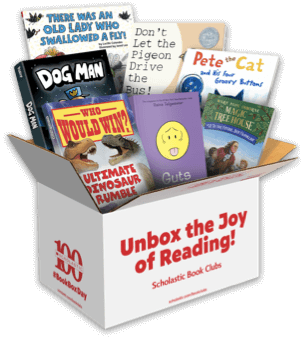
How does Scholastic Book Clubs Work? Here is how I utlized the Scholastic Book Club program to purchase books in 10 easy steps:
1. Ask your teachers, including ELL, to let you run their book club. Each year I have at least ten teachers willing to do this. Why do teachers let me do it? It allows me to provide books school wide (giveaways, they can borrow, put in a little free library, etc.) and they don’t have to do anything. Their students benefit greatly and they it’s one less thing they have to do.
2. Next, create an account and list all the different grades who you serve. You can also send parents digital flyers and they can do everything online.
3. Spread the word. I send out my information (class code, deadline to order, etc.) in my monthly newsletter to parents as well as send home flyers.
4. Make virtual recommendations and book lists directly on the Scholastic site.
5. Get the flyers ready. It’s simple- you just pull them out and I staple a letter with my class code and ordering details to it. It’s the perfect job to do while watching Monday night TV. Scholastic even creates the letter for you. I simply copy and paste and make 3-4 a page to save paper.
6. Put flyers in teachers boxes.
7. Wait for the orders to come in. Most parents order online. Some return checks to me and I enter the order myself.
8. Get the benefits! August and September are big months. You can earn triple the bonus points, which means more free books. So, I really push the orders early on. I give books away as part of our character education awards, to teachers as an extension of class lessons, to classes as school wide incentives, to individual and small group members that achieve their goals, etc.
9. Deliver the books. When all the books arrive organize and deliver them. I’ve become known as the book lady. As I deliver books I do check in’s with kids so it’s a win win. Insider tip: when you submit an order print it out. When books arrive check them off. Books don’t arrive all together, so you may get parts of orders. This helps you track what still needs to arrive.
10. Celebrate!!

Checking to make sure the book is a good fit.
There are many recommendations and great books available, but sometimes they may not meet your needs. Doing your research beforehand can help ensure that you choose the right book.
Check out reviews on Goodreads and Common Sense Media, take a look inside the book on Amazon or watch read-alouds on YouTube. Additionally, ask others about their experiences with the book to gain further insights.
Where to search for titles online.
You can find many titles in my Big Book Database and by following me on Instragram or Tik Tok.
Other websites I like are Books That Heal Kids, Social Emotional Workshop, and Nerdy Book Club.
You can also find a lot on social media by following hashtags like #picturebooksaremyjam #bookstagram #picturebooksthateach

Start A Book Club.
Don’t think you have to do it alone. I love partnering with others to start a book club, and then often I’m not the only one left to find the titles.
Collaborate with teachers to run book clubs (lunch bunch, intervention time, etc.) and let students help pick books—especially ELL, new, or differently‑abled learners.
I like to use flexible formats: short chapter books, shared reading, or letting students read aloud in chunks meaningful to them .
Read several picture books over your time together and leverage themes: empathy, resilience, identity—books that spark conversations and reflection.
Read more about Book Clubs here and here
Pin For Later

 Pawsitive School Counselor

Leave a comment