Helping “Frequent Flyers”: Supporting Students Who Over-Refer Themselves to the School Counselor
If you’ve noticed an uptick in student self-referrals lately, you’re not alone! Many counselors are seeing more students seeking check-ins for every worry, disagreement, or uncomfortable feeling. While it’s wonderful that kids see you as a trusted adult, it’s also important to help them build confidence in managing smaller problems on their own.
Here are some strategies to gently guide your “frequent flyers” toward independence while keeping your counseling program running smoothly.
1. Pause or Adjust Your Online Referral System
If your online self-referral form is being overused, it might help to pause it temporarily or adjust how it’s accessed. Let students know you’re making changes to help them practice handling feelings and small problems in the classroom first.
Options to consider:
- Switch to a paper referral system
- Require referrals to go through a teacher or parent first
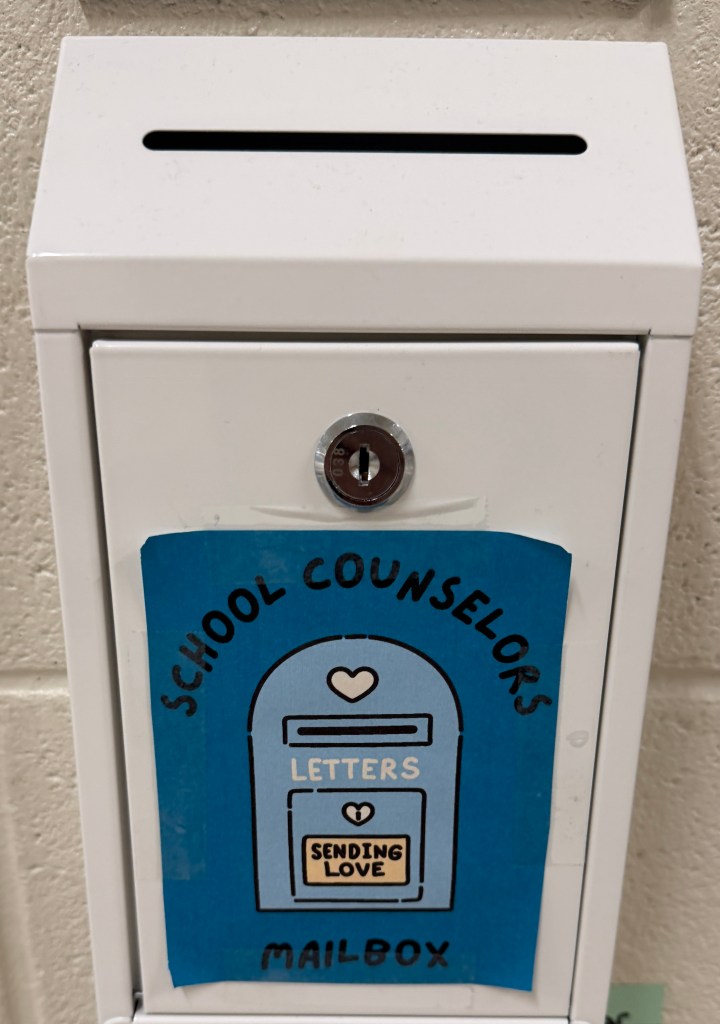
This reinforces that not every issue requires a counselor visit right away—sometimes students can use coping strategies or talk to another trusted adult first.
2. Add a Reflection Step to Your Online Form
If you decide to keep or later reopen your online system, consider adding suggested strategies and/or a reflection step.
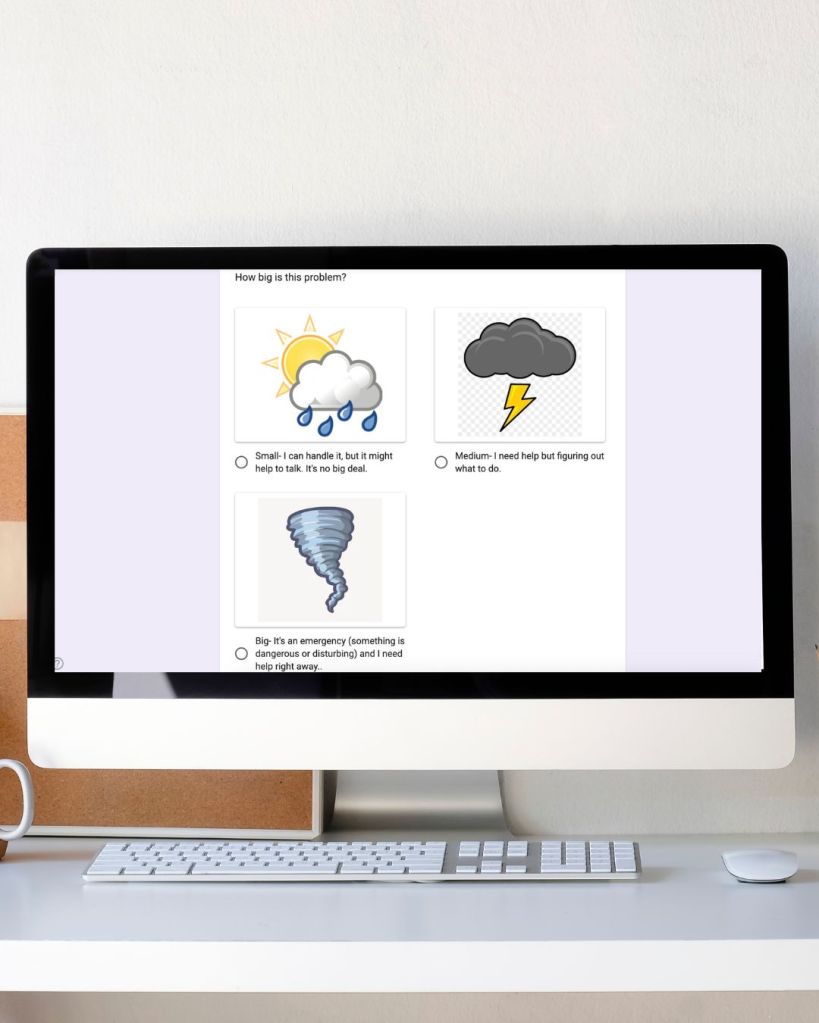
My favorite example is this Self-Referral with Coping Strategies Google Form Template, which walks students through calming and problem-solving techniques before submitting.
This encourages students to pause and think—cutting down on impulsive referrals and helping them build self-awareness.
3. Re-Teach Expectations and Problem-Sizing
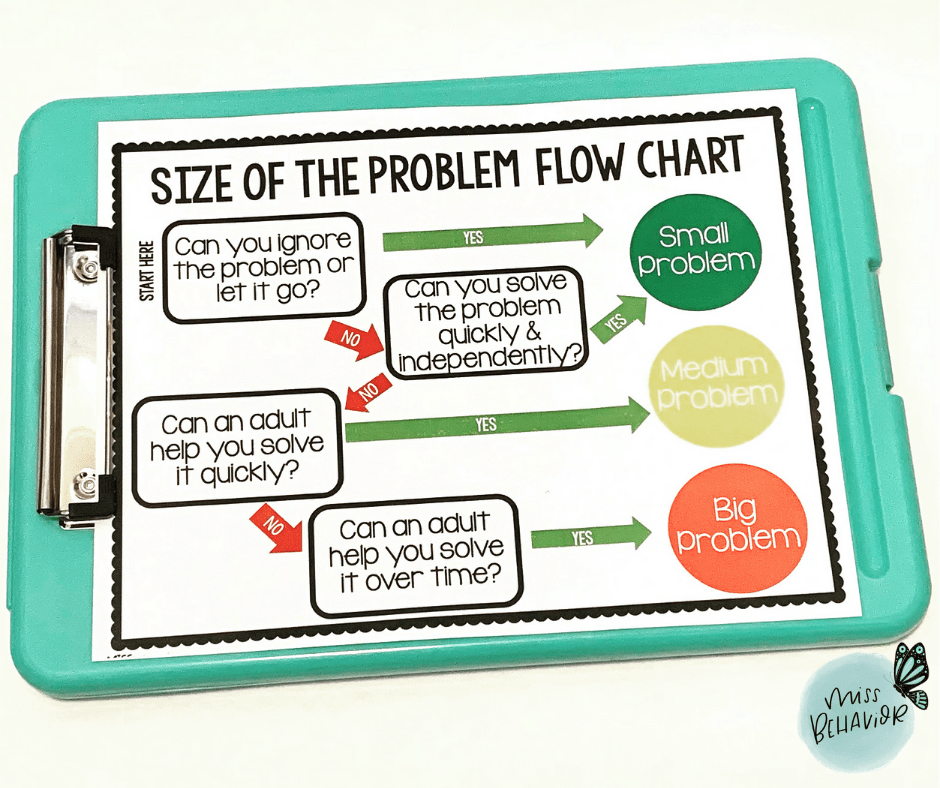
Take time to reteach when and why students should request to see the counselor. A lesson on “size of the problem” helps them recognize what’s small enough to handle versus what needs extra support.
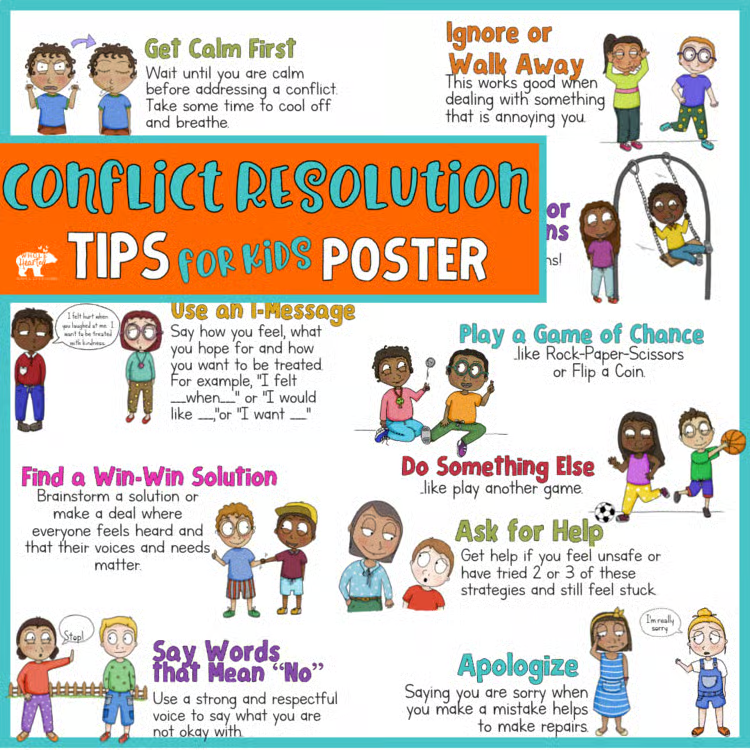
Try posting visuals in classrooms and calm corners, like:
- Kelso’s Choice Wheel
- Problem-Solving Posters
- “What to Try Before Seeing the Counselor” Charts
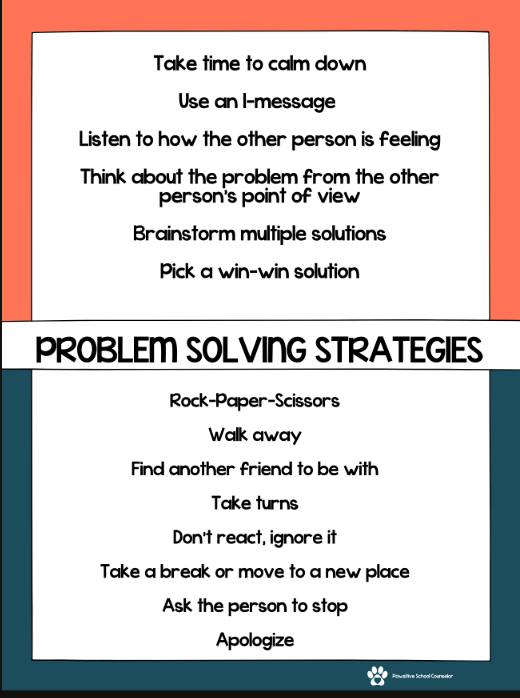
- Conflict Resolution Poster from Whole Hearted School Counseling
- The problem solving flow chart from Miss Behavior
Look for referral patterns—who’s requesting most often and when. That data can help you plan small groups or lunch bunches on common themes like friendship issues, worry, or frustration.
4. Support for Frequent Flyers
For your most frequent visitors, a goal punch card can be a game changer. During sessions, set clear goals (e.g., “Handle friendship drama more independently” or “Reduce times you leave class”).
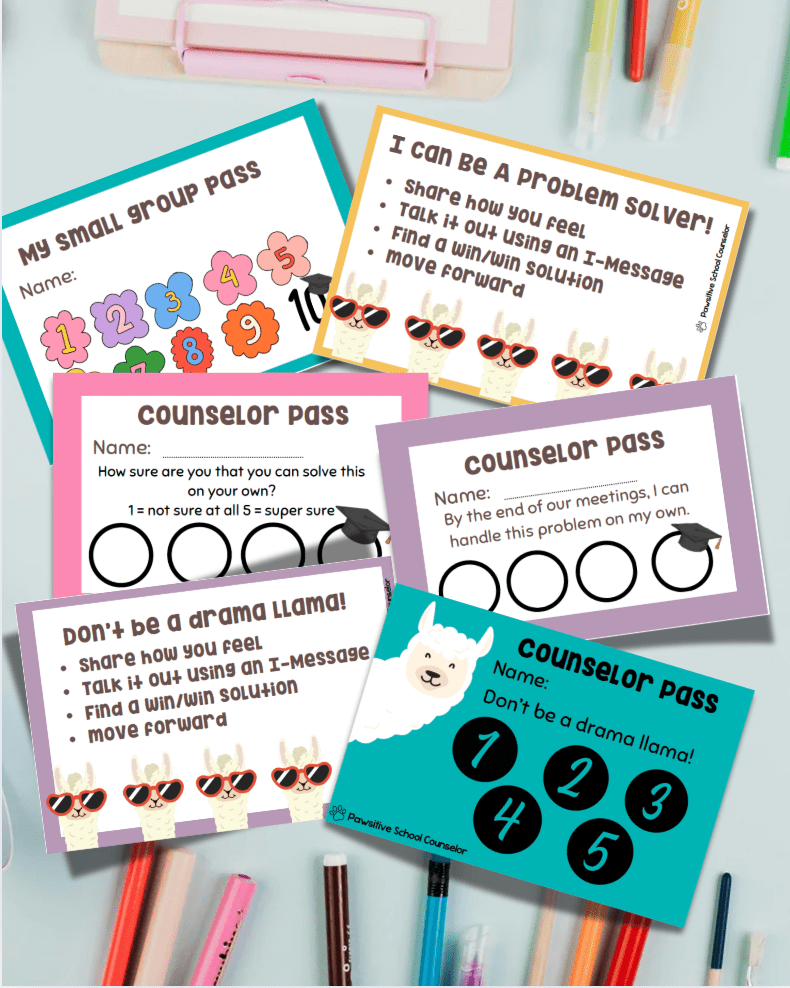
Each time you meet, they earn a punch. Once the card is full, reflect on progress together. If they still need support, you can plan next steps or additional interventions.
Using Punch Cards with Students
I use these punch cards with my frequent flyers, small groups, and individual students who benefit from structure or who may struggle with transitions and closure.
When to Give the Card
There’s no single “right” time.
- Sometimes I give it to students before our first session to set clear expectations.
- Other times, I introduce it during the first visit once we’ve discussed what we’ll be working on together.
When to Punch the Card
I punch (or “X”) one circle at the end of each session.
- For students with scheduled meetings, this helps provide a sense of structure and closure.
- For students who use passes as needed, I remind them to think about:
- The size of the problem
- Strategies they could try first
- Whether they still need to see me
If they decide they still need support, they can use the pass with their teacher to come see me.
How to Explain the Card to Students
I tell students that during our sessions—whether in a small group or one-on-one—we’ll be working toward a goal.
Example: “We’re going to focus on handling friendship drama in positive ways and learning when to solve problems on your own.”
I explain that each punch represents progress toward that goal. Once their card is full, they will have “graduated” from that goal area.
For some students (especially frequent flyers dealing with repeated issues like drama), I also explain that if we reach the last punch and the problem is still happening—for example, teachers are still noticing conflict—it might mean we need extra support like parents, administration, or other staff to help.
Download your counselor passes here.
5. Teach “Stop, Think, Try” or “3 Before Me”
Before asking to see the counselor, teach students to:
- Stop: Take a deep breath and notice what’s happening.
- Think: What’s the size of the problem?
- Try: Use a coping or classroom strategy (e.g., draw, journal, take a break, talk to a friend).
Post these steps in classrooms or near calm corners, and remind teachers to cue students back to them.
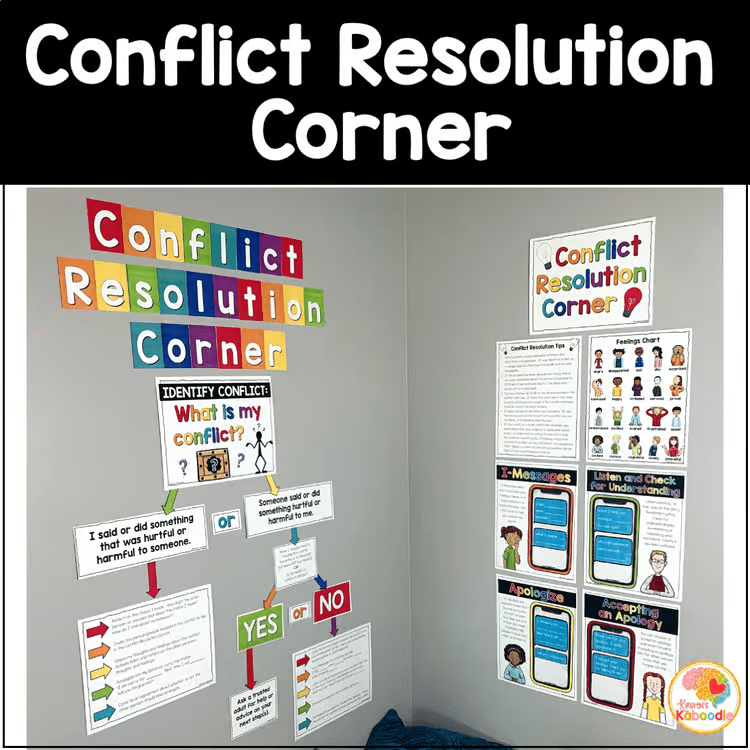
You can find the “Conflict Resolution Corners” from Kirsten’s Kaboodle on TpT here.
6. Create a Peer Mentor or Buddy System
Pair frequent flyers with a peer mentor or kindness buddy. Encourage them to check in with their buddy first for small problems. It builds connection, empathy, and self-confidence—skills that transfer beyond the counseling office.
7. Host “Lunch and Learns”
Turn common issues into short, engaging lunch sessions!
For my Lunch and Learns, I let students sign up in advance and limit participation based on space available. Sometimes, interest is so high that I’ll host a “Recess and Learn” instead or ask teachers to let me use their classrooms for extra seating during lunch.
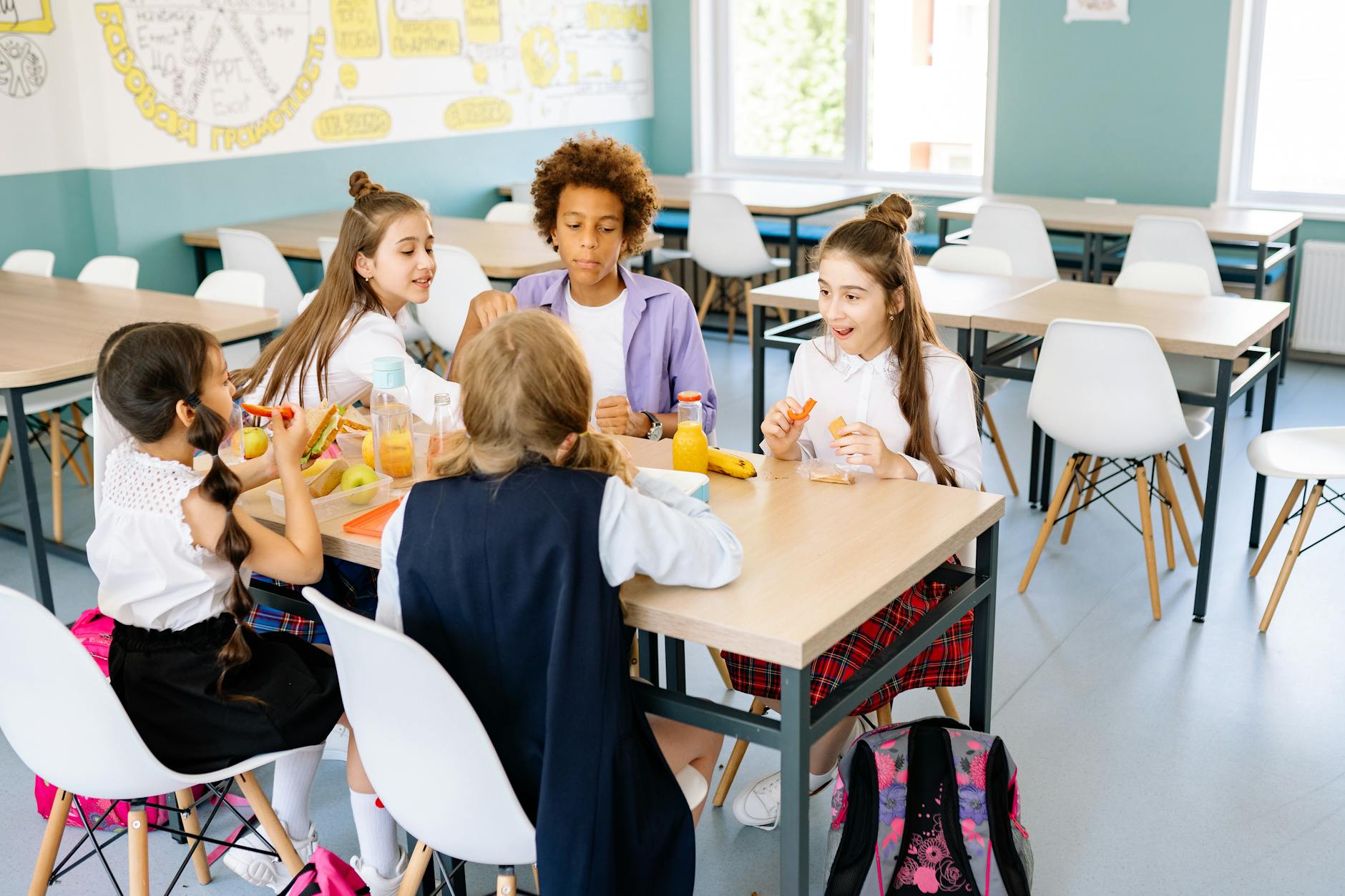
These sessions can be one-time workshops (like practicing I-messages or learning a new coping strategy) or short themed series—for example, a four-part “Friendship Fix-Its” where we read a book and practice a new social skill each week.
Think of them as mini bonus lessons—engaging, low-pressure opportunities for students to build skills, connect with peers, and practice strategies in a fun, relaxed setting.
Some ideas include:
- Handling Little Problems
- Friendship Fix-It Strategies
- Staying in Class and Staying Calm
- Handling Feelings the Smart Way
Students who are truly motivated will show up—even if it means giving up a bit of free time.
8. Reinforce Independence
Celebrate progress! Recognizing small wins helps build self-efficacy and motivation. Try:
- “Self-Regulation Superstar” badges or stickers
- Positive notes home (“[Student] solved a tough problem all on their own today!”)
- Verbal praise during check-ins
Other Helpful Resources
- The Responsive Counselor – Self-Referral System
- Simply Imperfect Counselor – Handling Counseling Referrals
Supporting frequent flyers isn’t about cutting off access—it’s about empowering students with tools, confidence, and trust in their own abilities. When they learn they can handle small problems, they become more resilient, capable, and ready to soar.
Pin For Later
 Pawsitive School Counselor
Leave a comment