Helping students navigate their emotions is one of the most important parts of any school day—and that’s where a calm corner can make all the difference. Whether you’re a teacher setting up your first self-regulation space or a counselor supporting emotional literacy across classrooms, the right picture book can be a powerful tool for introducing and reinforcing the purpose of a calm corner.
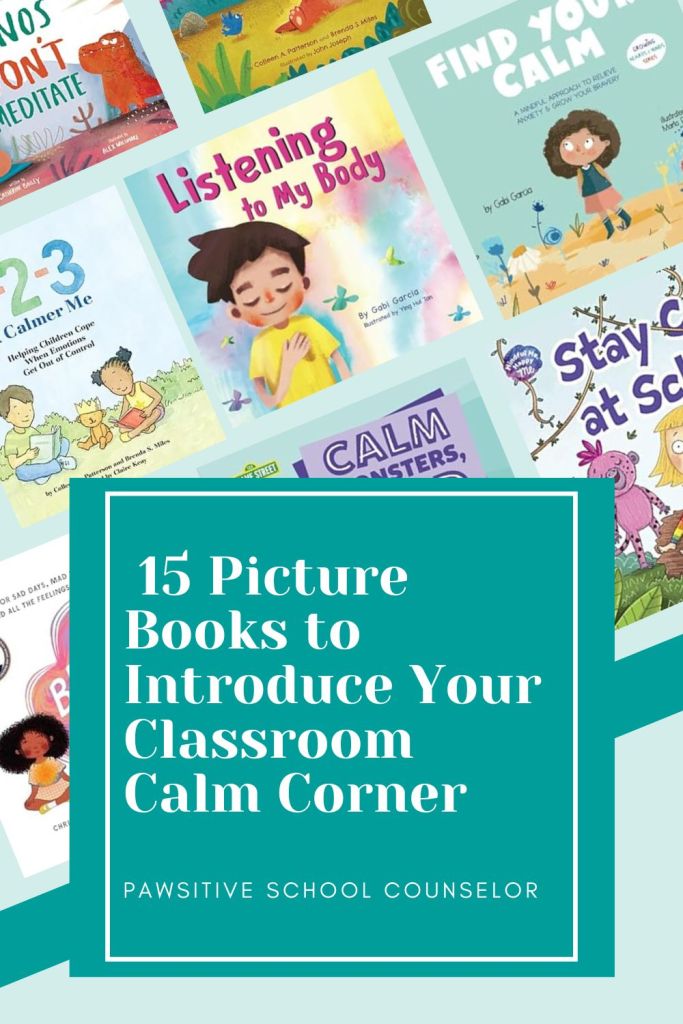
Here are 15 picture books that support emotional awareness, mindfulness, and coping strategies.
These titles are perfect for opening up conversations about big feelings and how to manage them in a safe, supportive way. These stories aren’t just engaging, they’re also valuable entry points for helping students understand that a calm corner is a space for them.
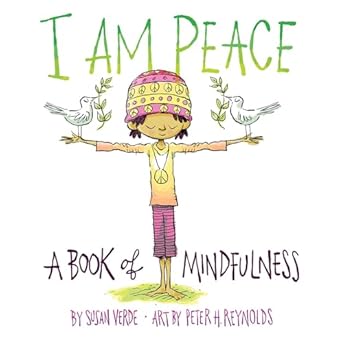
This book is a beautiful expression of the tenets of mindfulness. It encourages young children to breathe, taste, smell, and be present in the here and now.
It is a perfect guide with which parents and teachers can help children pay attention to their feelings and learn to control their worry and anxiety.
Includes a guided meditation.
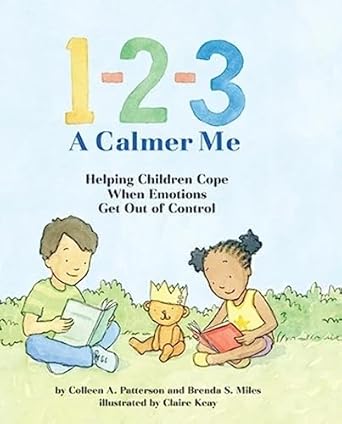
1-2-3 A Calmer Me introduces readers to a simple rhyming mantra to help children slow down their immediate reactions and replace them with responses that are more comforting.
Includes a Note to Parents, Teachers, and Other Grown-Ups with more information about the steps of the “1-2-3” rhyme and advice for working on them together with a child.
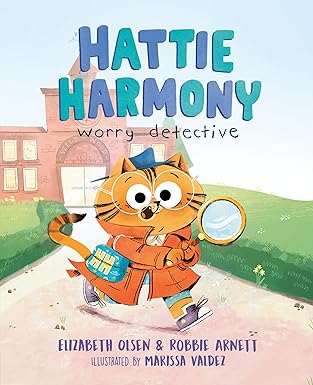
Meet Hattie Harmony, Worry Detective.
She’s always there to help her friends when they need her. The first day of school can cause a lot of jitters. These include jitters from speaking in front of the class and taking the bus. Hattie always finds the perfect tools to calm her friends’ bodies and minds. But when her own fears start to bubble up, can Hattie learn to overcome them herself?
Critically acclaimed actress Elizabeth Olsen.
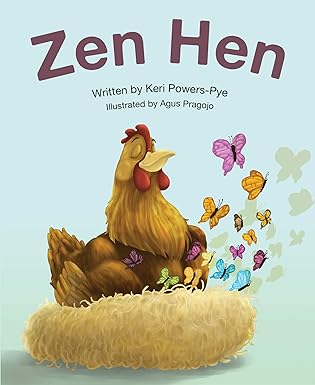
What do you do when an annoying gaggle of geese is messing with your inner peace?
The Zen Hen heads to her rest nest for some mindful quiet time! What will she find when she tunes in to listen to her amazing body?
From Counselor Keri.
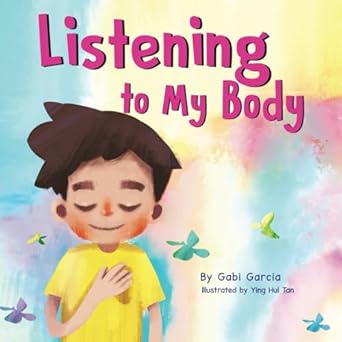
Listening to My Body is an engaging and interactive book. It guides children through naming their emotions. It also helps them understand the physical sensations accompanying those emotions. Teaching kids to tune into their bodies and name their feelings is a foundation for emotional regulation.
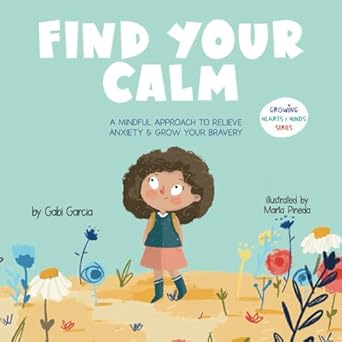
Anxiety is not just a cognitive experience. When children feel anxious, their bodies respond physically to a perceived threat. They need to feel a sense of safety before figuring out what to do next.
Find Your Calm is a wonderfully accessible book. It teaches children how to tap into their sense of safety. This helps them when they experience anxiety. As a result, they can learn to find their calm. It includes kid-friend activities and coping tools for them to practice.
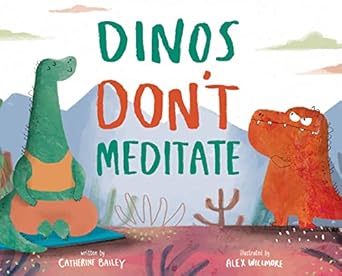
Dinos Don’t Meditate is an ideal teaching story for high-energy kids. As kids join these prehistoric pals, they’ll discover how good it feels to slow down. They learn to breathe and pay attention. Additionally, they understand the benefits of balancing peaceful pauses with playful activity.
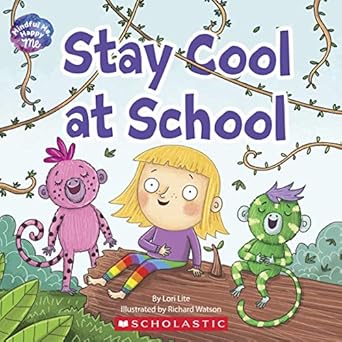
Imaginary animals Jumpy and Sunny help identify big emotions that children experience at school. They offer tools to cope, like deep breathing and repeating “I am calm.”
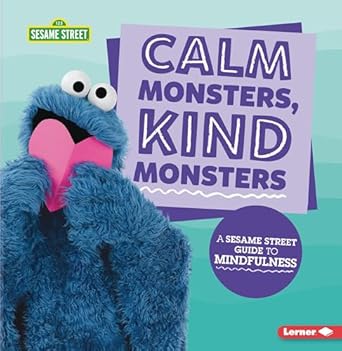
Breathing, positive self talk, and calming down―mindfulness includes all this and more. Sesame Street characters present big emotions readers have likely faced alongside simple solutions like belly breathing to help kids cope with what they’re feeling
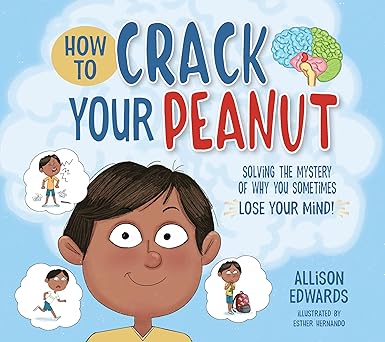
Diego doesn’t understand why he always seems to lose his temper and lash out at people. He begins to feel like something is wrong with him and wonders if he is a bad kid. With the help of his counselor, Dr. B, Diego learns that the reason he acts the way he does is because of a peanut-shaped part of his brain called the amygdala.
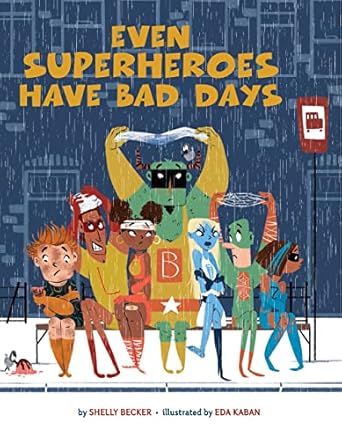
All kids have trouble getting a grip on their emotions, sometimes—even young superheroes! But what do they do when they’re having a bad day? Colorful and action-packed illustrations combine with a dynamite rhyming text. They reveal the many ways superheroes can resist the super-temptation to cause a scene. Ordinary children can do it too when they’re sad, mad, frustrated, lonely, or afraid.
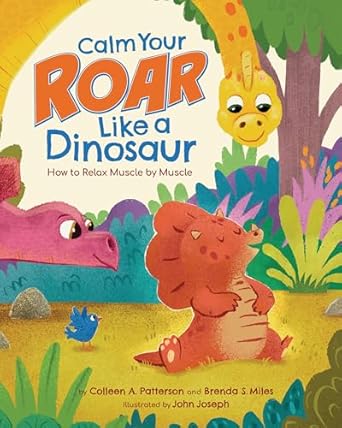
This book teaches little kids progressive-muscle-relaxation. It is a mindful self-guiding mediation technique proven to calm and ground the whole mind and body.
With its catchy mantra and playful rhyme, Calm Your Roar presents a super fun and playful easy-to-learn skill that benefits dinos of all ages, and guaranteed to turn dinosaurs into relaxosaurs.
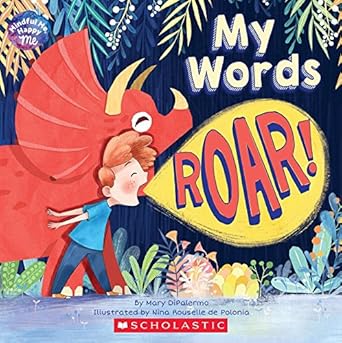
Sometimes our ideas and feelings are just too powerful to hold inside. Our thoughts rush out, but not always in the right way or the right time. In this sweet, funny tale, a child discovers a simple way to manage those emotions and ideas, and how to wait for the best moment to share them!
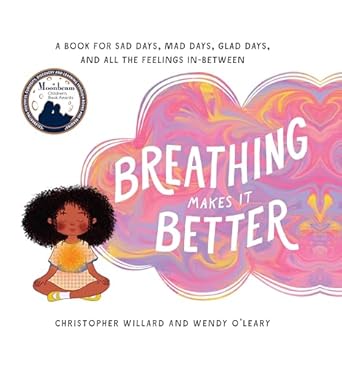
Breathing Makes It Better guides children to breathe through their feelings. It helps them find calm with recurring cues to stop and take a breath.
Simple guided practices, like imagining you are a tree blowing in the wind, follow each story to teach children how to apply mindfulness techniques when they need them the most.
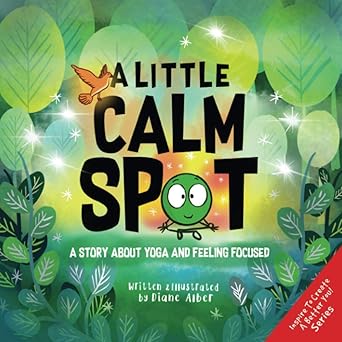
Sometimes when your emotions get TOO Big it’s hard to stay CALM and FOCUSED. A little Calm SPOT is a story about how using breathing, movement and mindset can help overcome some the biggest emotions. This book is full of fun illustrations that will inspire children to try belly breathing and yoga!
Find it here on Amazon.
Find my list on Amazon here.
Find the list on Bookshop here.
Introducing a calm corner is more than just adding a cozy space to your classroom—it’s about teaching students that their feelings are valid and that there are healthy ways to work through them. The picture books you choose to support this space can shape how students understand emotional regulation and self-care.
Whether you’re just getting started or looking to refresh your approach, these 15 titles offer meaningful ways to spark conversations, build empathy, and create a culture of calm.
Shop Calm Corner Resources
Pin For Later


Leave a comment