There are many Tier 2 interventions school counselors utilize as part of their program. These are responsive services that serve a few and are designed to be short term.
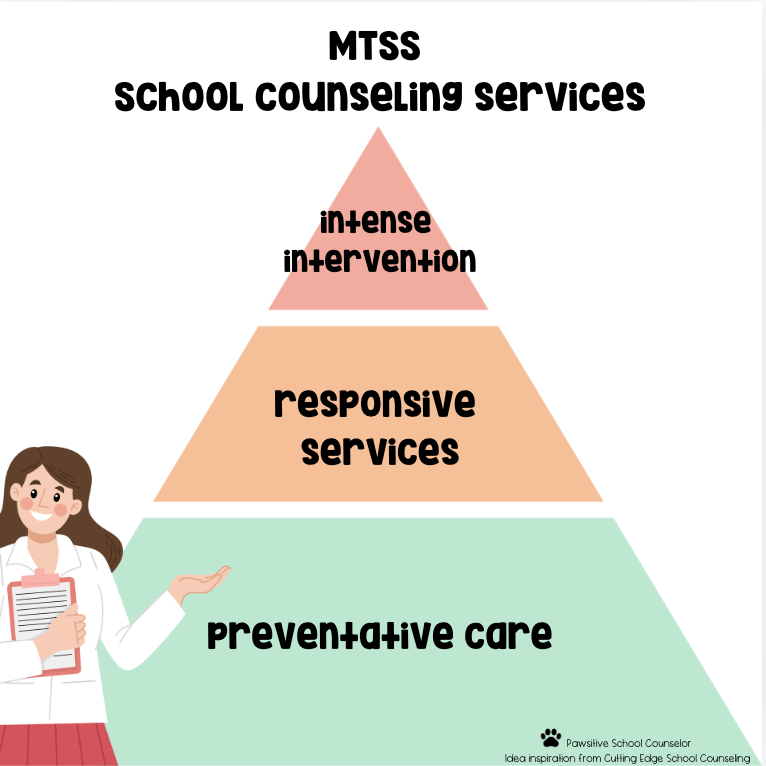

Over the years I’ve also been asked to support students behavior through Tier 2 interventions, although I am not necessarily personally implemeing the strategy but consulting on interventions.
For a long time, I relied on token boards as a primary intervention. When used with the right student and implemented properly, they can be very effective.
You can learn more about token boards here and find a helpful implementation resource here.
However, I have noticed that token boards have become the default intervention for many of my teachers and administrators, even when they are not the most suitable option.
So what can we do instead? Here are a few ideas.
2 x 10
The teacher spends two minutes every day for ten days conversing with the student about anything the student desires.
This is intended to establish positive relationships and has been demonstrated to improve the conduct of the entire class.
Learn more about the 2 x 10 strategy here.

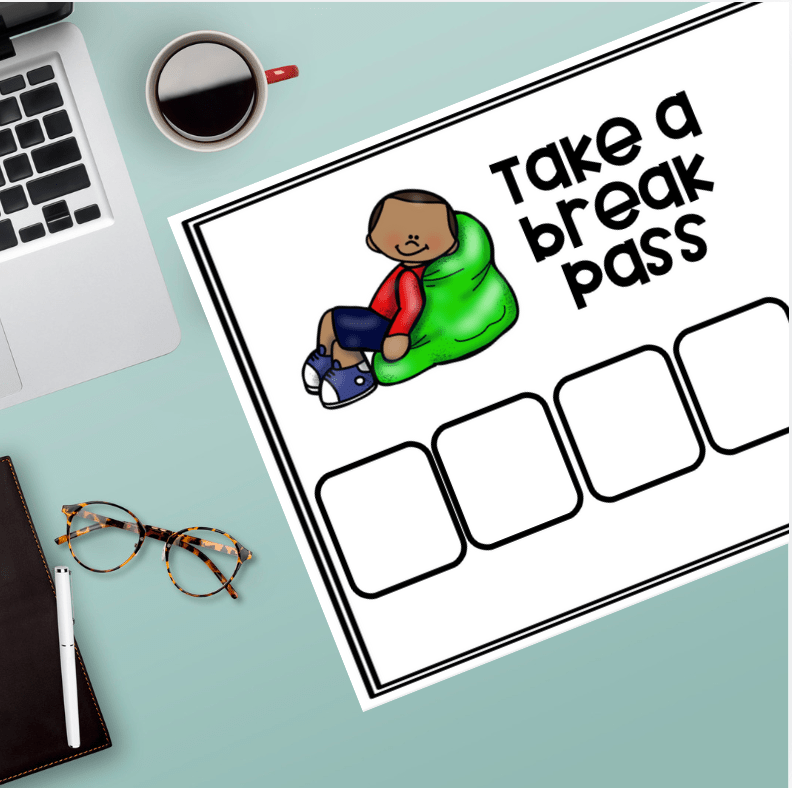
Break Cards
The card intervention can be used by students who display escape-avoidance behaviors to take a structured break in a peaceful corner or a movement room.
CICO
The Check-In/Check-Out program is specifically designed to assist students who show attention-seeking behaviors. The program is structured in a way where the student checks in with a designated adult at the start of the day to receive a goal sheet and some encouragement. During the day, the teachers provide feedback on the sheet based on the student’s progress, and at the end of the day, the student checks out with the same adult they checked in with earlier.

Learn more about CICO here and here.
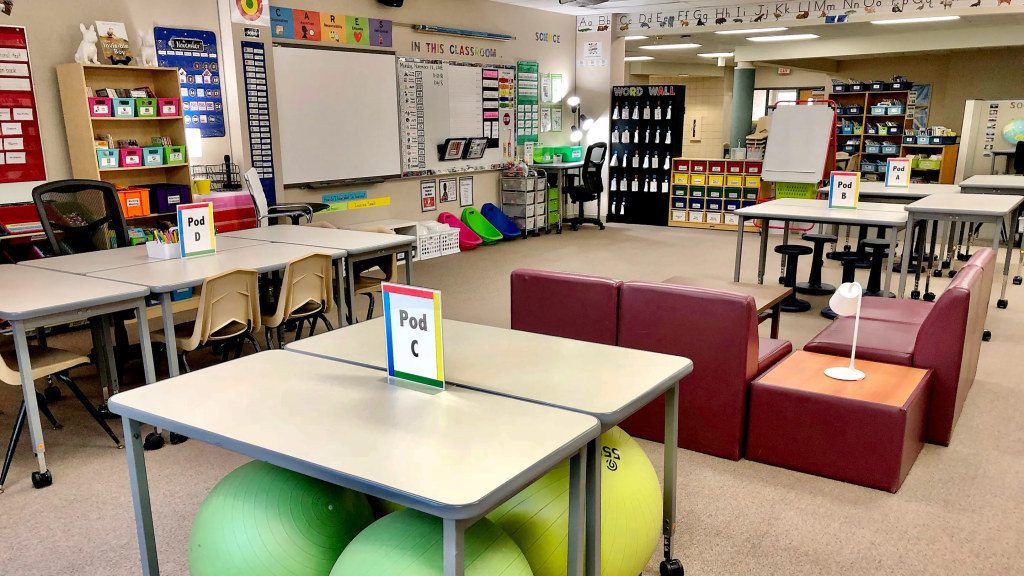
Flexible Seat Options
Flexible seating is an educational approach where traditional desks and chairs are replaced with a variety of seating options like standing desks, cushions, stools, or yoga balls. This allows students to choose how and where they sit, fostering autonomy, comfort, and adaptability in the classroom. It encourages movement and collaboration, promoting engagement and a dynamic learning environment that accommodates different learning preferences.
The benefits of flexible seating include improved student focus, increased participation, and enhanced collaboration. However, it requires clear guidelines and management to ensure students use it effectively, and it may involve extra costs for alternative furniture.
Fidget tools
Fidget tools are handheld objects designed to help people focus, reduce anxiety, or manage stress through repetitive movements such as stress balls, fidget spinners, putty, and textured objects. These tools are particularly popular among individuals with ADHD, anxiety, or sensory processing disorders as they help regulate focus and attention. Fidget tools work by giving the brain a low-level sensory task to engage with, which can improve concentration on primary tasks. They provide a non-disruptive way to channel physical energy, reducing distractions and improving productivity in both children and adults.

Small Group Counseling
Small group counseling works well for students because it gives them a safe space to talk about their problems with others who might be going through similar things. It helps them feel connected, less alone, and lets them practice important social and emotional skills. With the support of a counselor, they can learn new ways to handle challenges and communicate better in a setting that feels less overwhelming than being one-on-one or in a big group. Plus, they get to support each other and practice what they learn with their peers.

Student Mentoring
Student mentoring is a relationship where a more experienced or older student (or sometimes an adult) provides guidance, support, and advice to a younger or less experienced student. The mentor helps the mentee with academic challenges, personal growth, and navigating school life. Mentoring relationships build trust, offering encouragement and advice to help the mentee build confidence, set goals, and develop important life skills. It’s a way to foster personal connections and provide positive role models, helping students feel supported and motivated to succeed.

Assign a school job
Giving a student a specific job to do at the start of the school day can be very empowering.

Behavior contract
A behavior contract is an agreement between a student, teacher, and sometimes parents, outlining specific behavioral expectations and goals for the student to achieve. It clearly defines the desired behavior, the consequences of not meeting those expectations, and the rewards for success. The contract helps hold the student accountable, while also giving them a sense of ownership over their actions. By setting clear guidelines and offering positive reinforcement, a behavior contract can improve behavior, encourage responsibility, and support personal growth in a structured way.

Learn more here and here.
Self Monitoring
1) Ask students to self-rate their behavior, work effort, etc. throughout the day.
2) Ask teachers to rate student behavior, work effort, etc. throughout the day.
3) Give students bonus points when the rating matches.

Blurt Boards/Stop and Jot
If your student struggles with blurting out, provide them with a dry erase board and ask them to write down what they want to say instead. Then they can hold up the board, and you can respond either verbally or nonverbally to acknowledge their thoughts. If they use the board instead of blurting out, they can earn a personal reward or contribute to a class reward.

Learn more about stop and jot here.
Social Stories
A social story is a simple, personalized narrative that helps teach children, especially those with autism or social communication challenges, how to understand and navigate specific social situations. These stories describe a scenario, outline expected behaviors, and explain the reasons behind them in clear, step-by-step language. Social stories are often used to prepare children for new experiences, teach social cues, or improve behavior by offering them a framework for what to expect and how to respond appropriately. To use a social story, an adult reads it with the child before the situation occurs, reinforcing the key points and helping the child feel more comfortable and confident in handling it.

Learn more about social stories here and here.
Scheduled/structured breaks
Scheduled breaks in schools give students a chance to take quick, planned pauses during the day to relax and recharge. These short breaks help them move around, chill out, or do something quiet, so they don’t get too tired or lose focus. For kids who have trouble sitting still or staying on task, breaks can really help them manage their energy and stress, making it easier to stay focused in class. Overall, regular breaks help students feel better and stay more productive.

Need more?
Check out my blog post here or more tips on how to select the appropriate service.
Check out my blog post on going from tears to tiers here.
Find my documentation forms with Tiered Interventions here.
FREEBIE

Pin For Later
 Pawsitive School Counselor
Leave a comment