In schools, supporting student behavior and emotional well-being is essential—but not all supports serve the same purpose. Two commonly used approaches are Check-In/Check-Out (CICO) and school counseling check-ins. While they may sound similar, they function very differently in practice.
Let’s break it down.
What is CICO?
Check-In/Check-Out (CICO) is a structured Tier 2 intervention designed for students who need additional behavioral support.
Purpose
CICO targets specific behaviors—especially attention-seeking behaviors—by increasing positive adult feedback throughout the day.
Structure
CICO follows a predictable daily routine, including:
- Morning check-in
- Feedback from teachers throughout the day
- Afternoon check-out
Key Features
- Consistency: A standardized system used across settings and staff
- Who delivers it: Any trained staff member (not limited to the counselor)
- Focus: Specific, measurable behavior goals aligned with school expectations
Data & Effectiveness
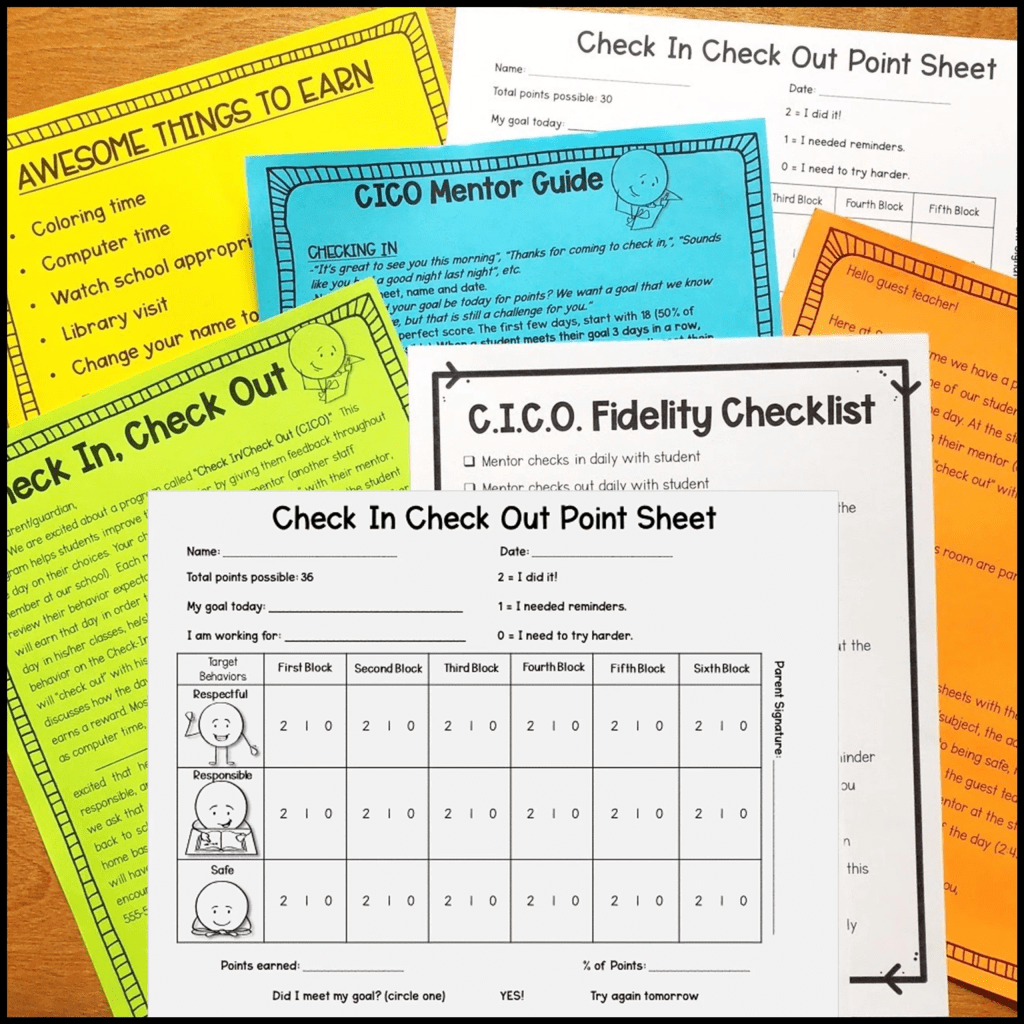
- Uses point sheets and data tracking to monitor progress and guide decisions
- Evidence-based with strong outcomes
Best Fit for Students Who:
- Show problem behaviors across multiple settings (e.g., classroom, hallway)
- Engage in mild to moderate behaviors (off-task, talking out, unprepared, out of seat, talking back)
- Seek adult attention or connection
- Respond well to feedback
- Are not primarily trying to escape difficult tasks
What It Looks Like in Practice
- Students receive a daily goal sheet tied to school expectations
- Teachers provide ongoing feedback
- A designated adult helps the student reflect and set goals
Implementation Notes
- Run like a formal intervention (typically 2–3 months)
- Can support 10–30 students at once
- Tip: It’s helpful to keep the name Check-In/Check-Out (CICO) consistent, rather than referring to it as “mentoring,” “check-ins,” or “buddy check-ins.” Using different terms can unintentionally create confusion about what the support actually involves. Clear and consistent language helps ensure that everyone—staff, students, and families—shares the same understanding of the support being provided.
Resource to bring it to life:
I’m a huge fan of the resources from The Responsive Counselor.
What is a School Counseling Check-In?
A school counseling check-in is a flexible, relationship-based support provided by the school counselor.
Purpose
It focuses on emotional support, connection, and quick “temperature checks” to see how a student is doing.
Structure
- Informal and flexible
- Happens as needed, based on the student’s situation
Key Features
- Consistency: Individualized and subjective
- Who delivers it: School counselor
- Focus: Feelings, problem-solving, and situational support
Data & Approach
- Not typically standardized or data-driven
- May include informal tracking (e.g., rating scales or check-ins)
- Grounded in counseling best practices and relationship-building
- Not a formal Tier 2 intervention on its own
Best Fit for:
- All students (universal support)
- Students needing emotional connection or support
- Situations requiring quick check-ins or short-term follow-up
What It Looks Like in Practice
- Brief, casual conversations
- Feelings check-ins
- Rating scales (1–5, thumbs up/down)
- Encouragement and cheerleading (a solution-focused practice) You can also do this with caregivers.
- General conversation or even games
Implementation Notes
- Responsive and short-term
- Based on immediate needs or concerns
- Not necessarily tracked through formal data systems
Resources to bring it to life:
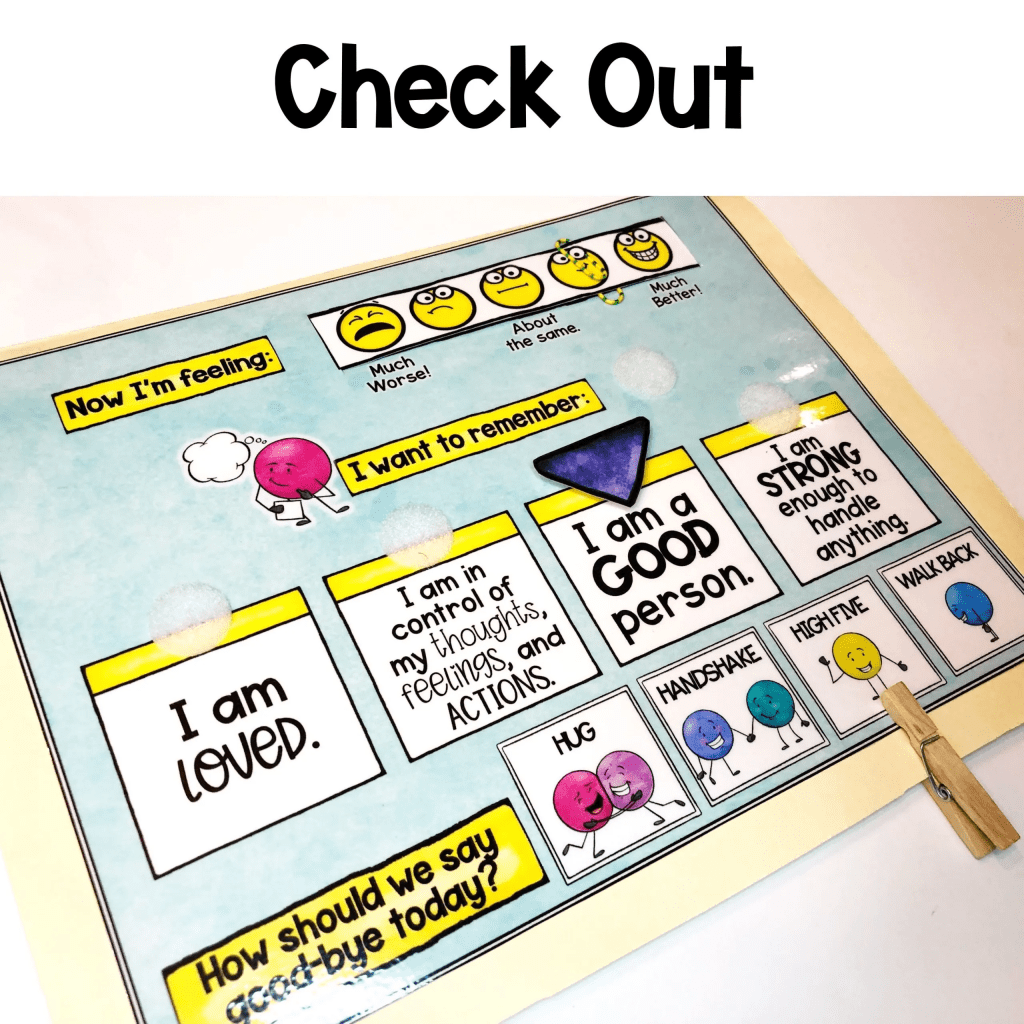
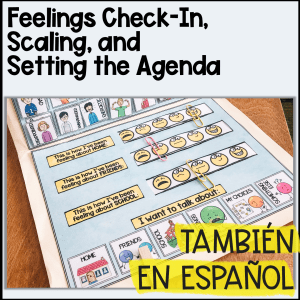
This interactive lapbook (from the Responsive Counselor) is a helpful tool for both quick check-ins and the beginning or end of individual counseling sessions. It provides a snapshot of how a student is feeling when they arrive and where they are emotionally as they leave.
I often use it for brief follow-ups when a student needs short-term support around a specific situation, as well as for occasional “temperature checks” after regular sessions have ended. It’s also a consistent structure that can be used across sessions, which can feel grounding and therapeutic for students. This kind of predictability aligns well with cognitive behavioral and solution-focused approaches.
Key Differences at a Glance
| Feature | CICO | Counseling Check-In |
|---|---|---|
| Type | Tier 2 intervention | Universal/individual support |
| Structure | Highly structured | Flexible |
| Focus | Behavior goals | Emotions & connection |
| Staff | Any trained staff | School counselor |
| Data | Data-driven | Informal or minimal |
| Duration | 2–3 months | Short-term/as needed |
Final Thoughts
Both supports play an important role in schools—but they are not interchangeable.
- CICO = structured, data-driven behavior intervention
- Counseling check-in = flexible, relationship-based emotional support
When used appropriately, each can make a meaningful difference in helping students succeed. The key is understanding their purpose and applying them intentionally.
Learn More
Resources To Make It Happen
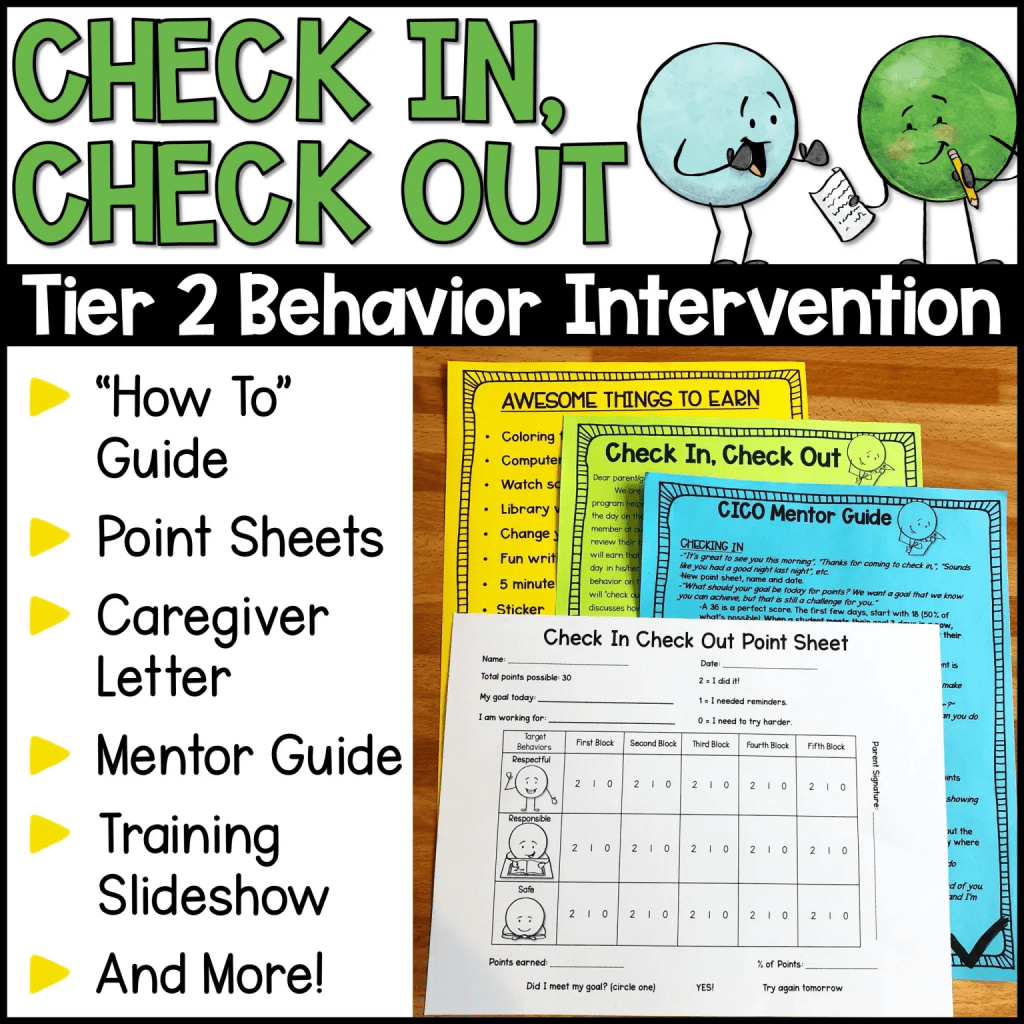
I’m a huge fan of these Responsive Counselors’ resources:
For CICO:
For Counselor Check In’s:
References
- Hawken, L. S., et al. (2021). Check-In/Check-Out: A targeted intervention for students with behavioral needs.
Download The Information
If you’d like this in a printable format, you can find it here:
Pin For Later

 Pawsitive School Counselor
Leave a comment