Of all the big events we plan each year, hosting a career fair can be one of the most exciting, but also the most overwhelming.
Of all the big events we plan each year, career fairs can be some of the most exciting—and the most overwhelming. There are a lot of moving parts: volunteers, schedules, space, students, and expectations. The good news? There is no single “right” way to host a career fair.
Over the years, I’ve planned career fairs in many different formats. Each one has its own pros and cons, and the best option is the one that fits your school, your students, and your capacity.
Below are five different ways to host a career fair, along with practical tips to help each option run smoothly.
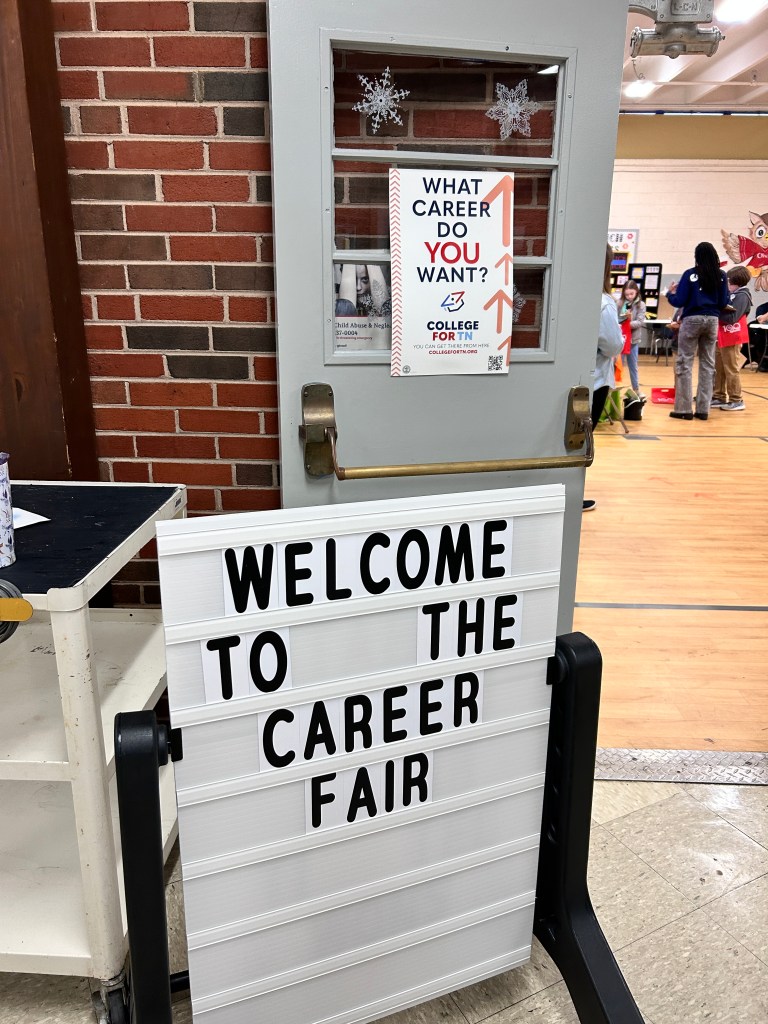
1. School-Wide Career Fair (Traditional Booth Style)
How It Works
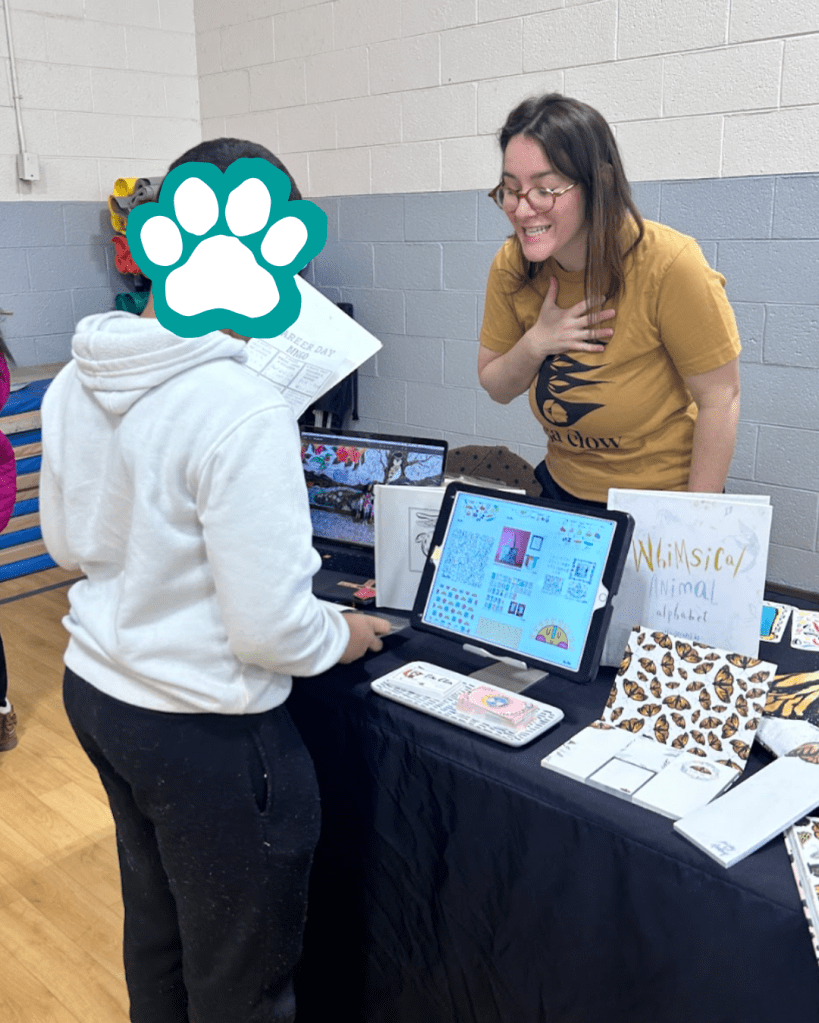
Choose one day and time and set up career booths in a large space (gym, cafeteria, multipurpose room). Students visit booths at their own pace or rotate with their class. I usually give students 30–45 minutes, depending on availability and grade level.
To recruit volunteers, I send a letter or email to families and community members explaining:
- The purpose of the event
- Date and time commitment
- What to expect
- How to sign up
Sample invitation language:
We are hosting a College and Career Fair at Puppy School Elementary to provide students in grades 3–5 with the opportunity to explore a wide variety of careers and post-secondary options. By exposing students early, we help them begin thinking about future goals in an age-appropriate way.
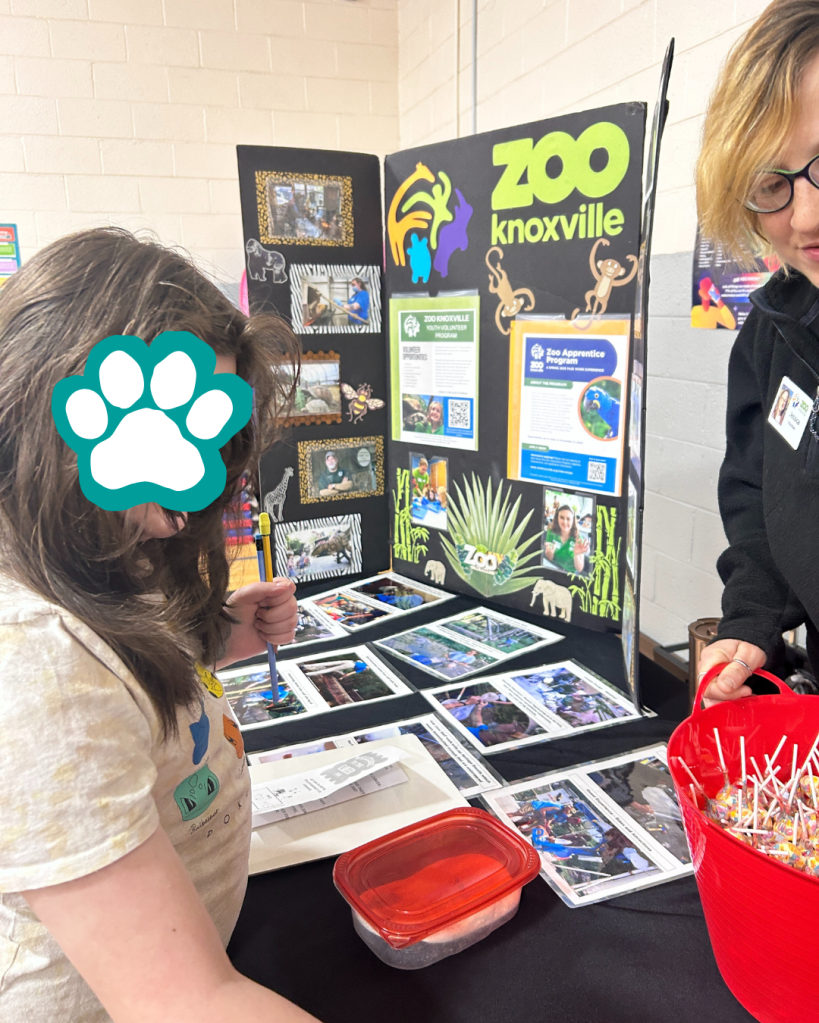
We invite you to inspire our students by sharing your career journey, a typical workday, training or education requirements, and tools of the trade. Posters, trifolds, props, or hands-on materials are encouraged!
I track volunteers using a spreadsheet with:
- Contact information
- Career type
- Notes (outlets needed, space requests, past participation)
I adapted this spreadsheet from Cheri Elkins, School Counselor. Follow her at The Cool Counselor TN.
I send reminder emails, set up tables the day before, and—if possible—ask for bottled water, coffee, or snacks donations for volunteers.
Pros
- Great community involvement
- Easy to understand and familiar format
- Can be completed in one day
Cons
- Space and table logistics can be stressful
- Requires enough volunteers to avoid empty booths
Tips for Success
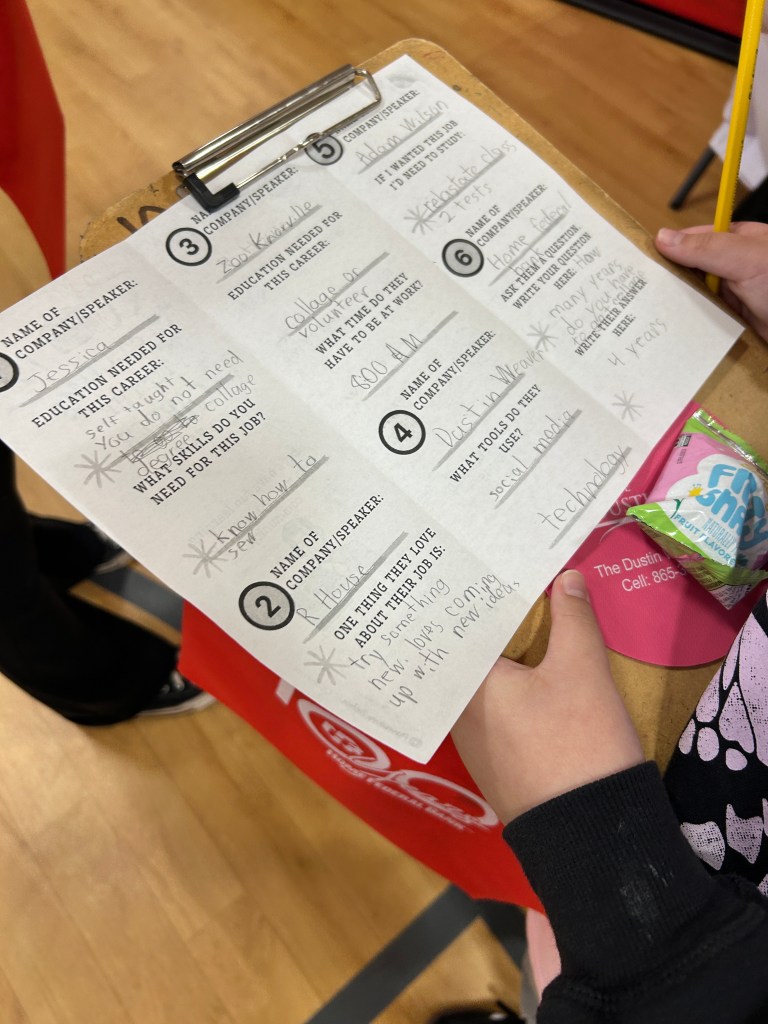
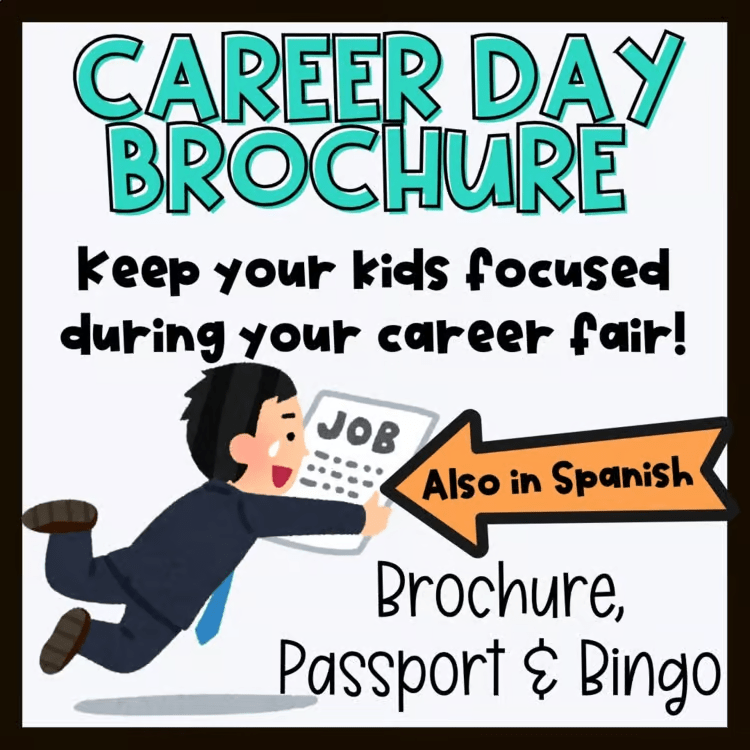
- Give students a Career Bingo board or brochure to keep them engaged and focused
- Reassure volunteers: all careers matter, whether they require college, training, or hands-on skills
- Consider splitting the space: one side careers, one side local colleges or training programs
2. Online / Virtual Career Fair
How It Works
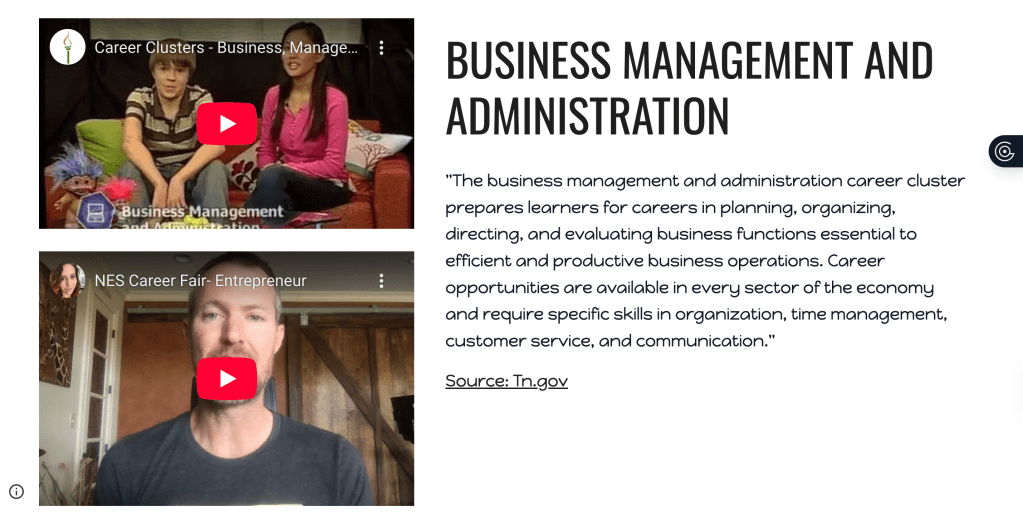
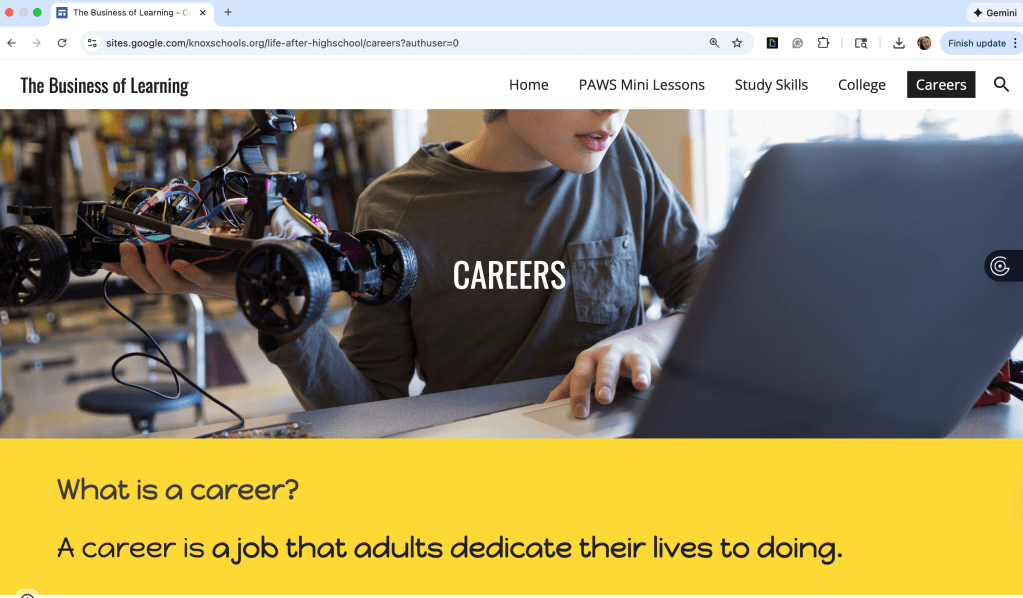
Instead of in-person booths, invite volunteers to record short videos (15–20 minutes) about their careers. These videos are shared through a Google Drive, Google Slides, YouTube or a Google Site. Just make sure you let volunteers know how they will be shared.
Volunteer videos can include:
- A tour of their workplace
- Demonstrations of tools
- A “day in the life”
- Education or training pathways
- Favorite parts and challenges of their job
Teachers and students can access the videos during class, centers, sub days, or counseling lessons. See my sample website here!
Pros
- No tables, space, or day-of logistics
- Flexible for volunteers
- Videos can be reused year after year
- Students can revisit content anytime
Cons
- Requires teacher buy-in
- Less engaging than in-person events
Tips for Success
- Make access easy: one link, QR code, or button on their teachers Canvas course
- Coordinate with other counselors in your district to gather a wider variety of videos
- Schedule time during the month for teachers to intentionally use the resource
Reality Day (Cost of Living Focus)
How It Works
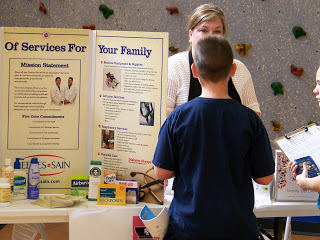
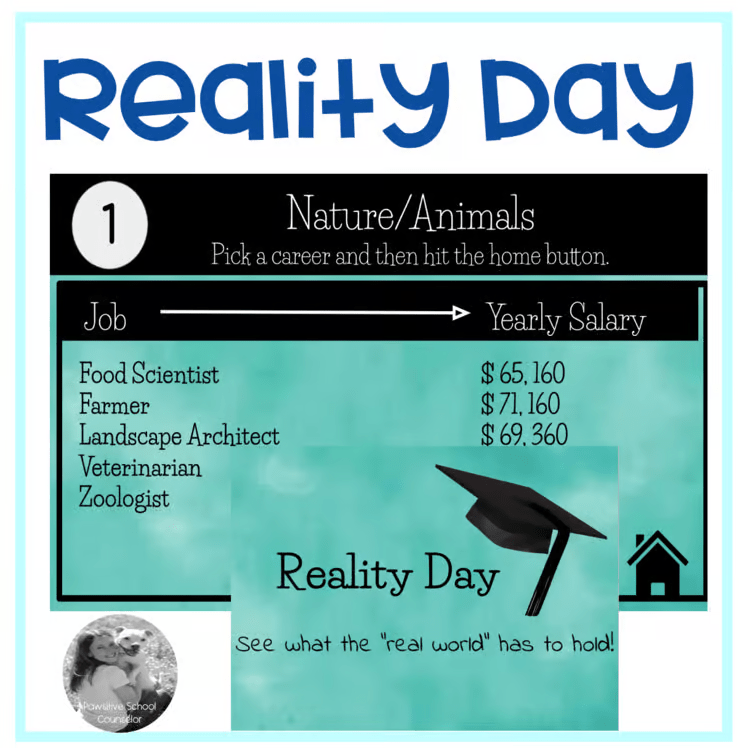
Reality Day shifts the focus from exploring careers to understanding real-life expenses. Students are assigned a career (or matched using an interest inventory), receive a pretend salary, and visit booths to “purchase” necessities like housing, transportation, food, and childcare.
Students track spending using a bank log and reflect on choices.
Pros
- Strong real-world connection
- Highly engaging and eye-opening
- Great for upper elementary and older students
Cons
- Needs at least 45–60 minutes
- Requires significant prep and teaching beforehand
Tips For Success
- Pre-teach budgeting skills
- Use volunteers creatively (bankers, realtors, utilities, grocery stores)
- Build in reflection afterward
Read all about Reality Day here.
Get a Reality Day Activity Set here.
4. Rotating Students or Speakers (Classroom-Based)
When I was first hired as an elementary school counselor, I naturally continued many of the programs the previous counselor had in place. One of those was Career Day. While the school was only medium-sized, this was still a huge project.
To start, every student completed a career interest inventory that identified their top three career cluster areas. I kept each student’s results and used them to create a personalized experience.
Next, I partnered with a PTA volunteer to build individual student schedules that matched students with speakers aligned to their interests. This part was a big undertaking. We laid out large sheets of paper on tables—each one labeled with a speaker’s name, career cluster, available times, and number of spots. Then we had half-sheet schedules stapled to each student’s interest inventory.
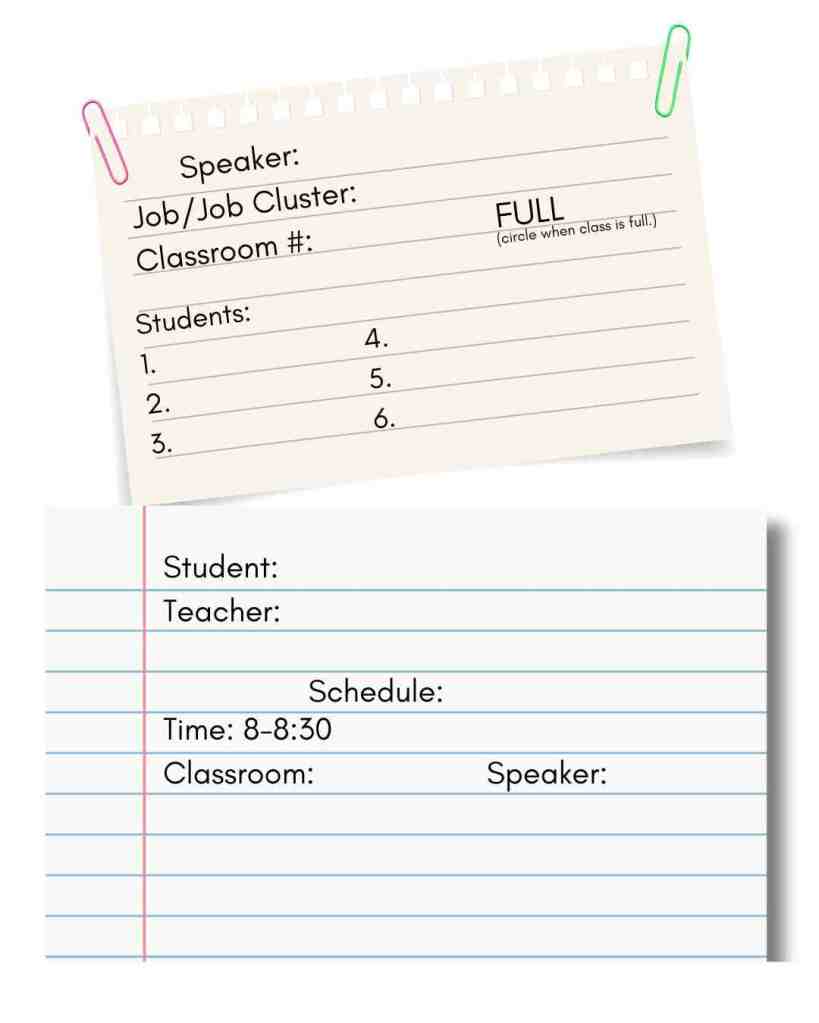
We walked around the tables, writing student names on the speaker sheets and adding the speaker details to the students’ schedules. We continued this process until every student and every speaker had a complete schedule.
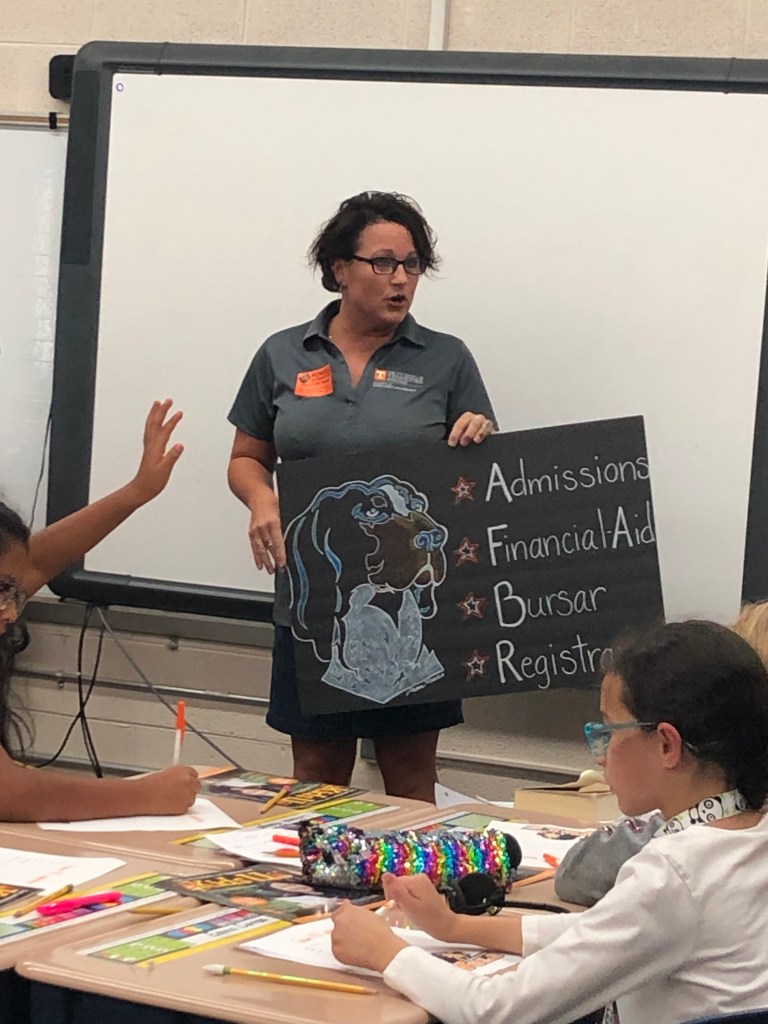
On the day of the event, students received their schedules and rotated around the building to attend their assigned sessions.
Pros
- Students heard from careers that directly matched their interests
- The experience felt personal and meaningful
Cons
- Best suited for older students, not younger grades
- A lot of preparation on the front end
- Requires help and a large space to lay everything out
- Students move throughout the building, so multiple classrooms are needed
Because this format worked better for older students, I eventually adapted it.
Adaptation #1: Speakers Rotate Classrooms
Instead of students moving, I tried having students stay put while speakers rotated to different classrooms every 25 minutes. While this reduced student movement, I quickly learned that rotating speakers was a lot to ask—especially when they were bringing materials or props.
So, I adapted again.
Adaptation #2: Grade-Level Rotations (My Favorite Version)
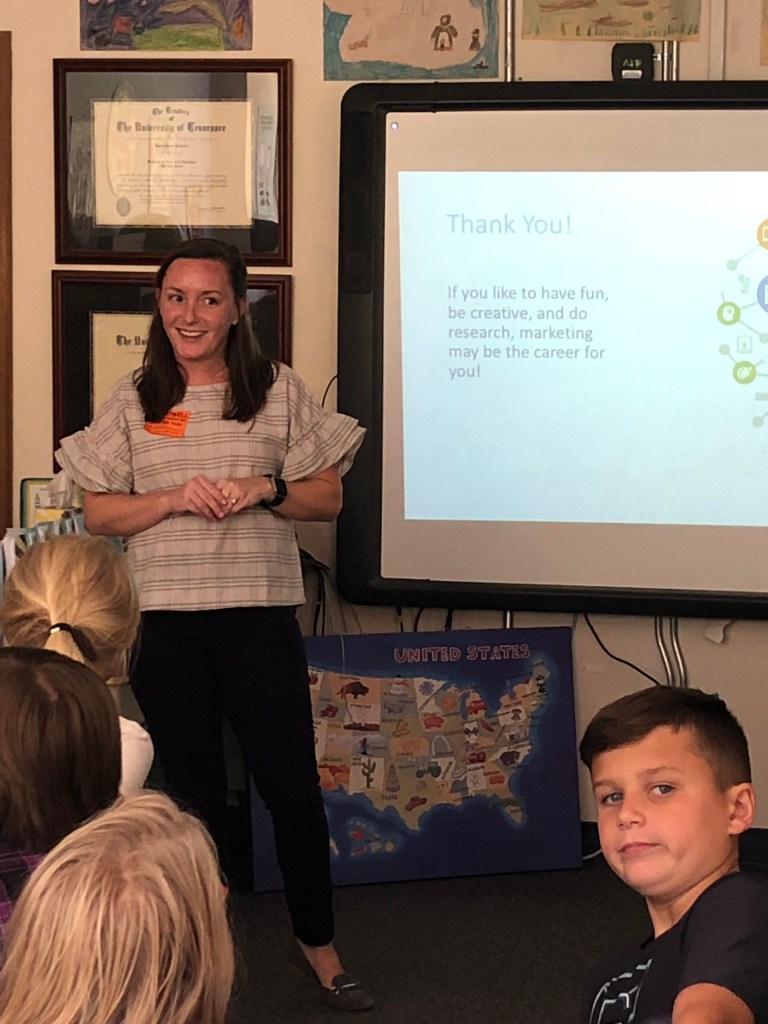
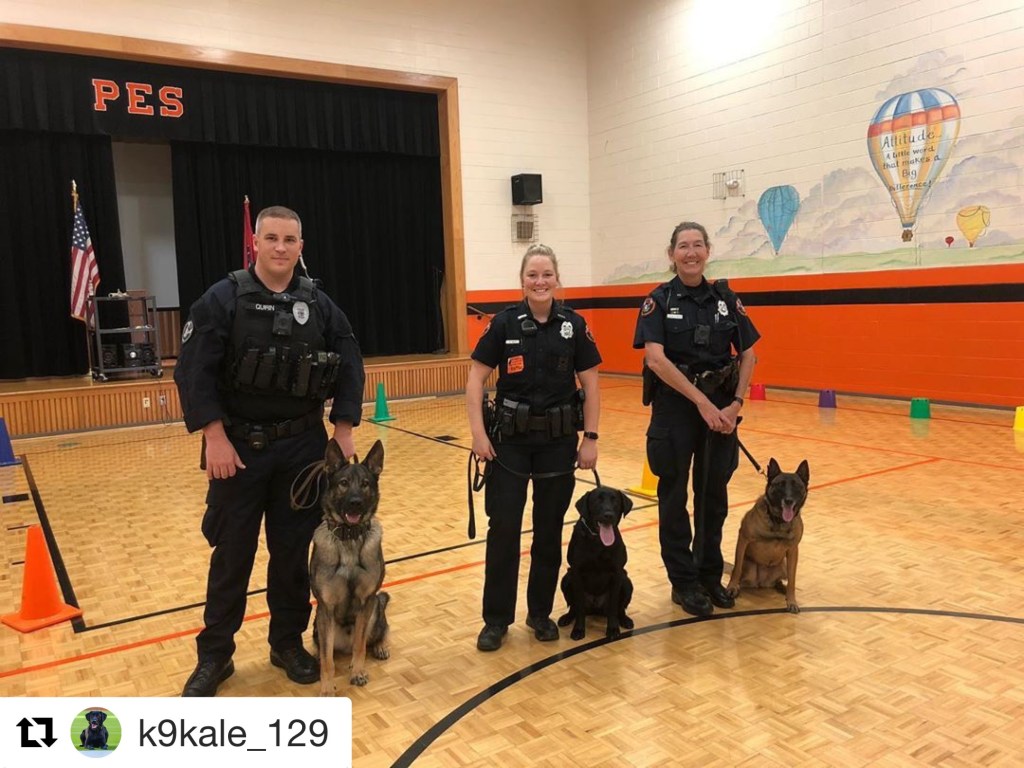
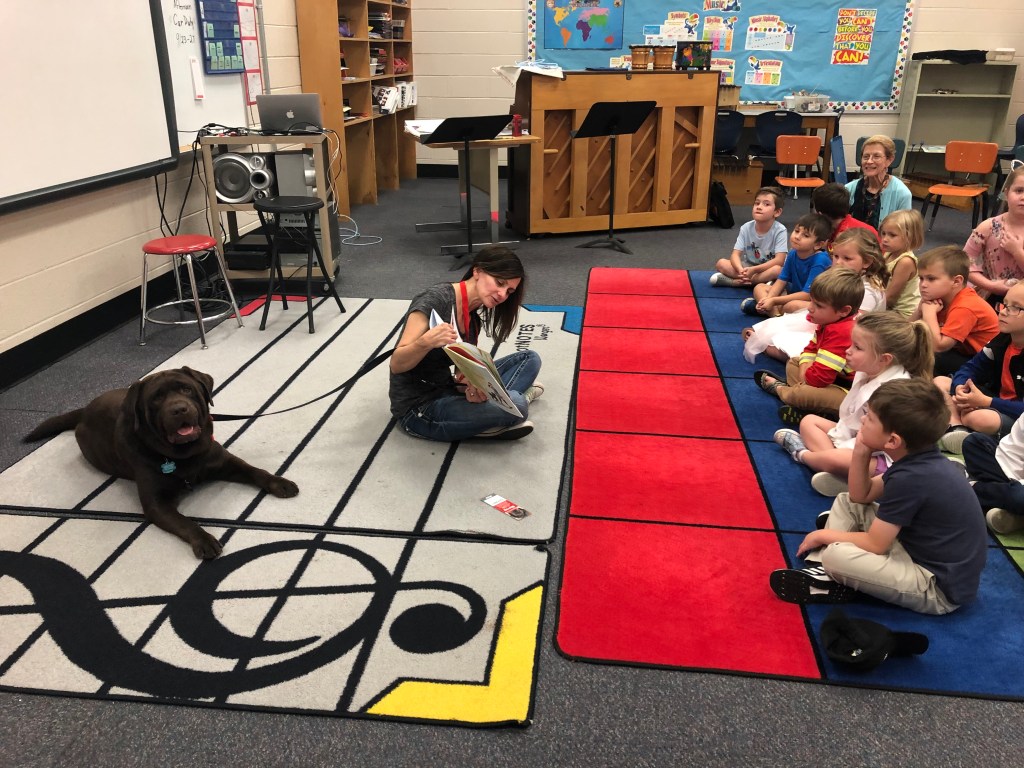
In this version, I set up one speaker per classroom within a grade level. For example, if fourth grade had four classrooms, I recruited four speakers—each from a different career cluster if possible.
On the day of the event:
- Students started in one classroom
- Every 20 minutes (this time is adaptable based on number of classes/speakers and time available), classes rotated to the next room
- Speakers stayed put while students moved
This approach balanced structure and engagement while reducing the burden on volunteers.
Pros
- Easier on speakers since they stayed in one place
- Movement kept students engaged
- Students heard longer, more in-depth presentations
Cons
- If teachers rotate with students, it’s easier logistically—but some teachers prefer not to repeat sessions
- Still requires thoughtful planning and scheduling
- Works best for older grades
Tips For Success
- Encourage speakers to include games, visuals, or hands-on activities
- Choose variety over popularity
5. Careers on Wheels
How It Works
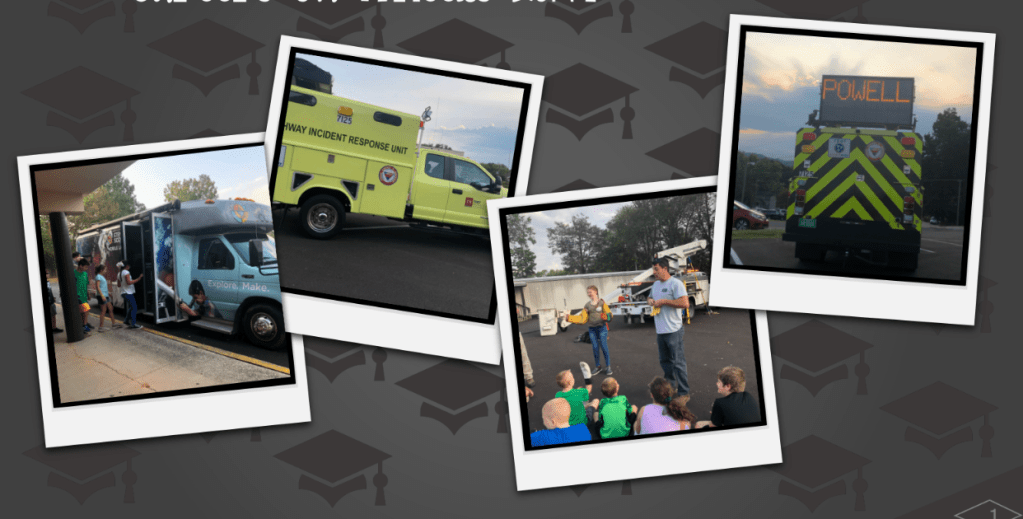
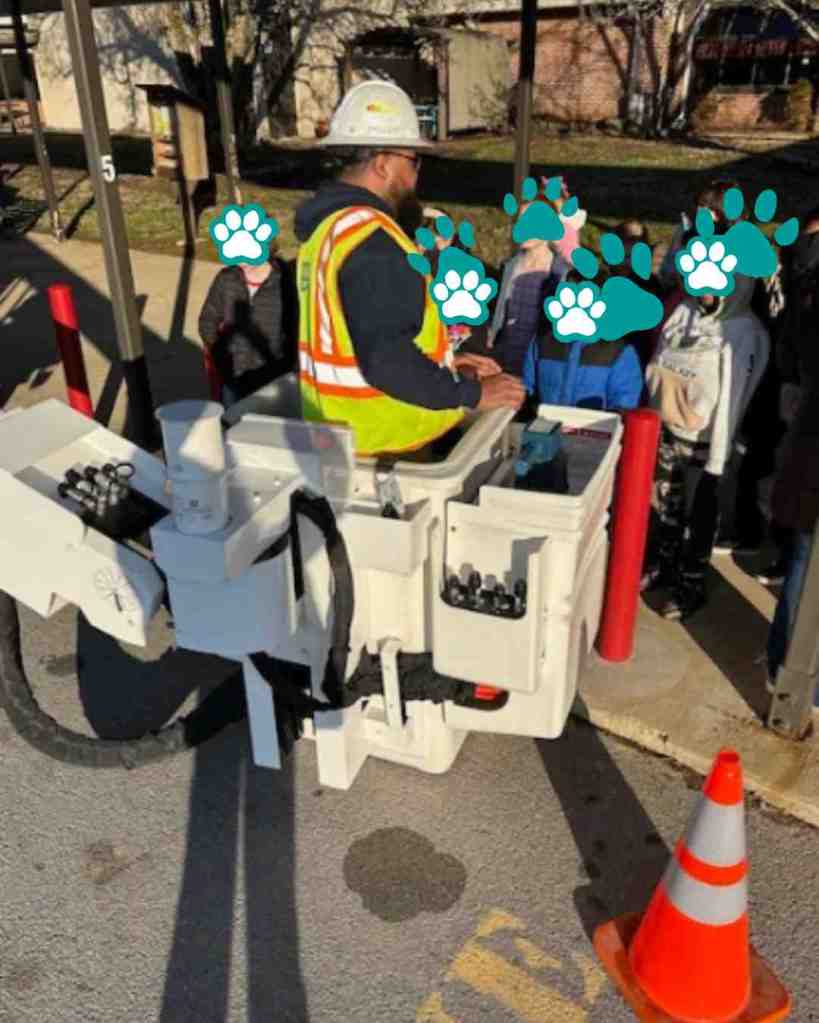
Invite community members to bring career-related vehicles to campus (fire trucks, construction equipment, service vehicles). Classes rotate outside on a schedule. The schedule depends on how many “wheels” we have and how far apart they’re spaced. I typically plan for 10–15 minutes at each vehicle, with 2–5 minutes for transition time between stations.
Pros
- Huge hit with students and teachers
- Highly interactive and memorable
Cons
- Requires backup plan
- Weather-dependent
Tips For Success
- Build in transition time
- Clearly communicate safety expectations
Final Tips for Any Career Fair Format
- Schedule career lessons during the same month for extra reinforcement
- Pre-teach expectations and social skills
- Model how to introduce yourself and ask questions
- Invite a wide range of careers—including lesser-known ones
- Debrief with students and volunteers using surveys or reflection activities
Career fairs don’t have to be perfect to be powerful. Start where you are, choose a format that fits your capacity, and remember: exposure matters. One conversation can spark a future dream.
Shop The Post
Pin For Later
 Pawsitive School Counselor
Leave a comment