School counseling lessons are powerful, but when they only happen once a month, students need more opportunities to practice those skills in real moments.
The good news?
Classroom teachers don’t need extra prep or new programs to help social and personal skills stick. What they need is clarity, consistency, and simple tools that align with what students are already learning.
Here are five realistic ways teachers can support school counseling lessons all month long, using resources like QuaverEd and counselor-created tools.
1. Pre-Teach or Re-Teach with Mini Lessons
Students benefit when they preview or revisit personal and social skills outside of counseling time.
One of the easiest ways to support this is by sharing short, ready-to-play mini lessons with teachers. These can be:
- A pre-recorded video
- A quick slide deck
- A short Quaver lesson or song that matches the counseling focus
Resources:
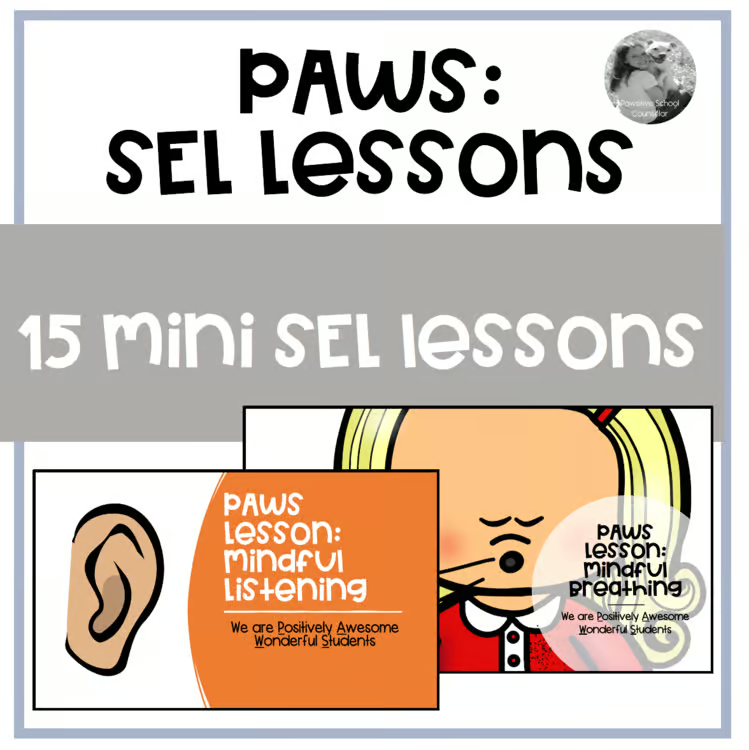
These 15 PAWS mini-lessons are designed to help your perfectly, awesome and wonderful students with a variety of needs.
They are mini (8-12 slides) that you can use to introduce or review the lessons you use throughout the year. They are not intended to be full lessons, but rather supplemental lessons to reinforce what you are teaching. They are also perfect to partner with your favorite book titles.
Why this works:
Students hear the same language more than once, which builds understanding and confidence.
Counselor Tip:
Use a screen recorder like Screencastify or Loom to record yourself walking through a lesson. When teachers can click and play, reinforcement becomes easy and stress-free.
Quaver Idea: Create a class or student accounts to have students log in and complete “assignments.” Take a Quaver Ed. PD to learn more.
2. Make Follow-Up Easy with Classroom Supports (and a Simple Newsletter)
Teachers want to reinforce what we are doing, but they shouldn’t have to guess what matters most or search for the right tools.
One effective way to support this is by sharing clear follow-up language and ideas through a short newsletter or monthly update. This helps teachers stay aligned with what students are learning in counseling and gives them quick ways to reinforce skills in the classroom.
A simple newsletter can include:
- The SEL skill students are learning
- Key phrases or language to use
- One reflection question or quick activity
- One Quaver song, video, or lesson that matches the skill
- Optional links for deeper learning
Teachers can use these ideas during morning meetings, transitions, or class discussions—often in just a few minutes.
Resources:
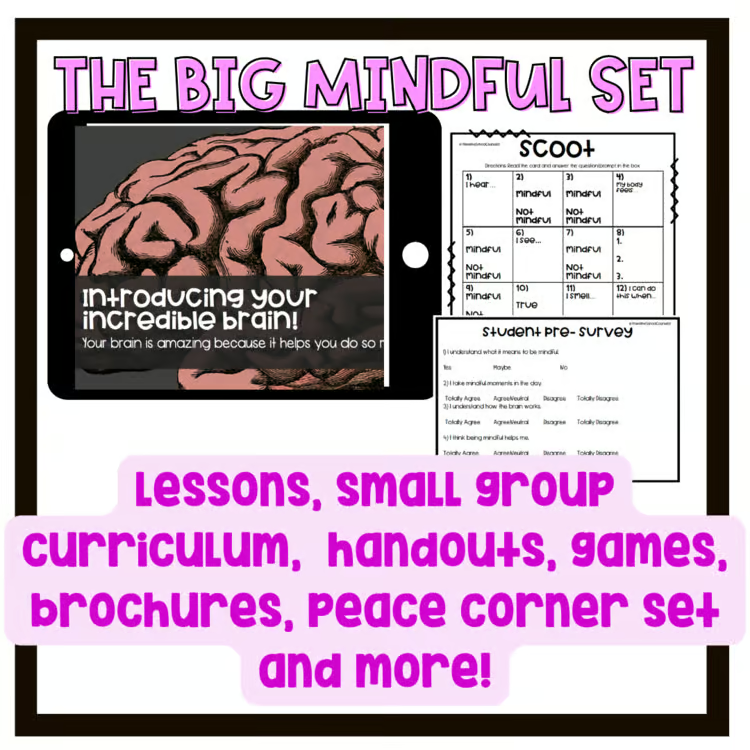
This set provides ready-to-use mindfulness tools teachers can use to reinforce skills throughout the week—during morning meetings, transitions, calm-down moments, or class meetings.
Includes:
- Short lessons and activities for daily or weekly practice
- Games and visuals that help students build awareness and regulation
- Calm/peace corner guidance for real-time support
- Small-group and classwide options for flexibility
Designed for low prep and year-long mindfulness practice.
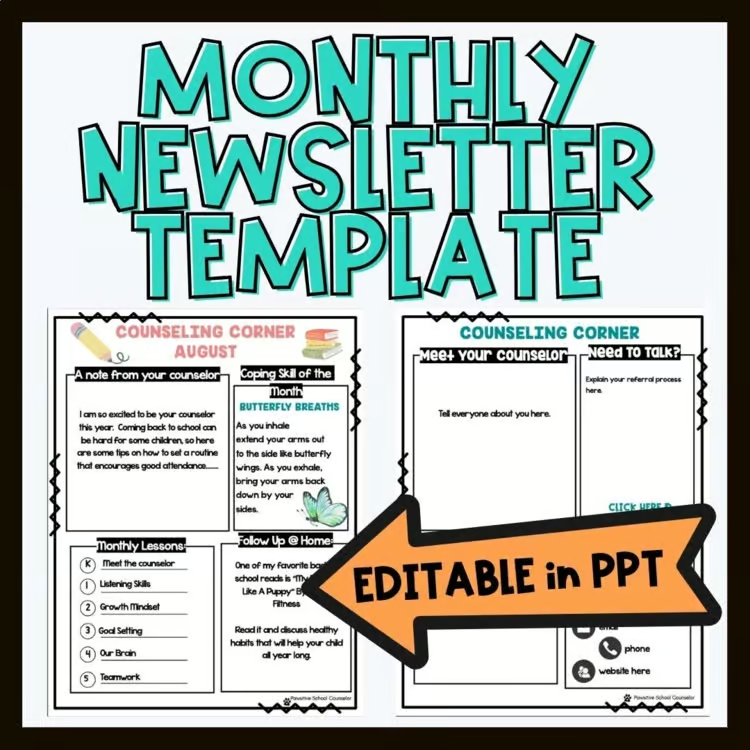
This newsletter template is in PPT and is editable, so you can personalize it. It includes a template for introducing yourself and for Aug-June.
There is also a Canva template link included.
Why this works:
Short, consistent follow-ups help students connect skills being taught to real classroom moments.
Quaver Idea: In any Community Resource, use the “Conversation Corner – At School” for a fun class challenge idea or ask students to role-play the scenarios.
3. Use No-Prep Class Meetings
Class meetings are a powerful way to keep social skills alive—especially when teachers don’t have to plan them from scratch.
Counselor-provided talking points can turn class meetings into:
- Reflection opportunities
- Skill practice
- Community-building moments
Resources:

Use the games in this set as a quick and fun activity after students greet each other.
Why this works:
Students practice talking about feelings, choices, and problem-solving in a safe, structured way.
Quaver Idea: Create a “substitute” login for teachers and show them how to access the no-prep lessons. Each lesson includes a morning meeting option that teachers can easily use to facilitate a meaningful daily or weekly class discussion.
4. Create Calm or Peace Corners That Match Counseling Lessons
If students are learning regulation strategies in counseling, they need to see those same tools in their classrooms.
Calm corners are most effective when they include:
- The same breathing visuals used in lessons
- Simple scripts students recognize
- Clear expectations for use
Counselor Tip:
Share the same printables and posters you use in counseling with classroom teachers. Consistent visuals help create a universal set of skills students recognize across settings.
Resources:
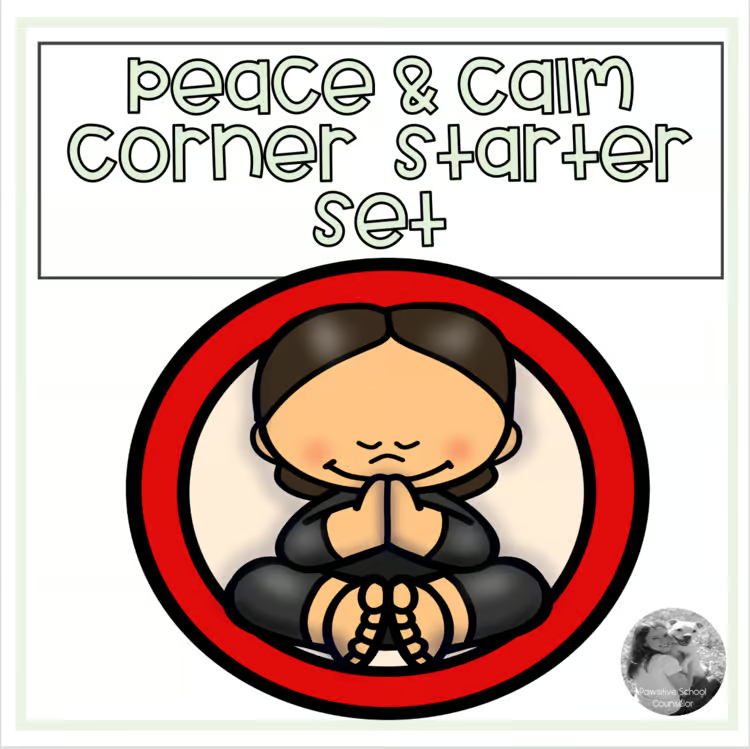
This set helps teachers use a calming corner effectively—without it becoming a distraction. It includes simple strategies for prompting students to use the space appropriately, reducing misuse, and clear student visuals that set expectations. The materials are ready to use and adaptable, with three naming options: Calm Corner, Calm Spot, or Peace Corner.
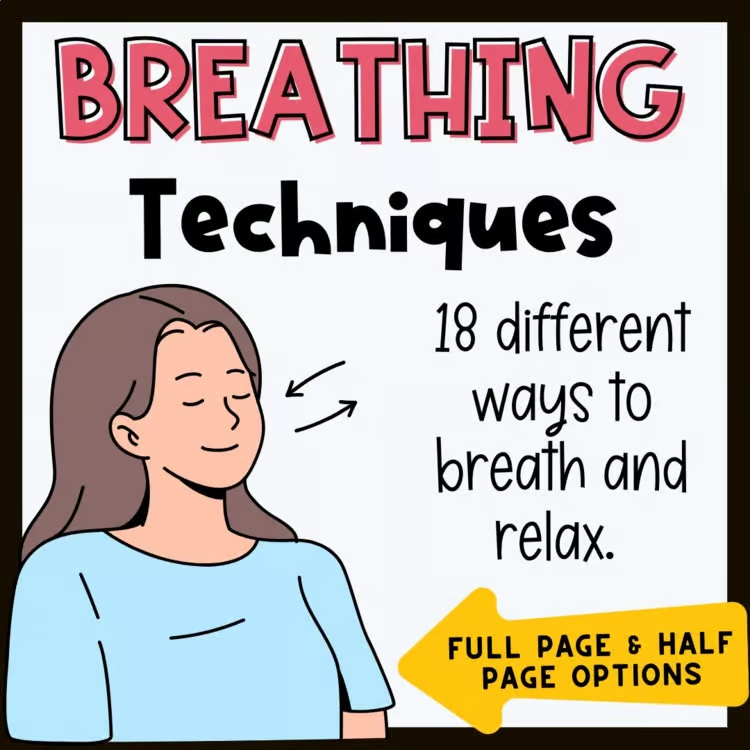
Teach one breathing technique per lesson so students already know how to use it independently when they need it. Then, print these breathing technique posters to display in calm corners throughout the school.
Quaver Idea: Under “Interventions” you can find “Peace Corner” resources including printable “Peace Corner Scripts.”
5. Use Brain Breaks with a Purpose
Movement is a powerful regulation tool—but it’s even more effective when it’s connected to social skills and emotional regulation.
Teachers can use:
- Quaver movement and choreography videos
- GoNoodle
- Cosmic Kids
Before and after movement, identify what they are doing it, why they are doing, and times they could do it. For example, “Let’s try tree pose. This helps our bodies calm down and stay present. It’s great to try after we come in excited from recess.”
Don’t forget to have students take a mindful moment after moving. You can simply ask them to “notice how your body feels now.” These talking tips help reinforce learning.
Resources:
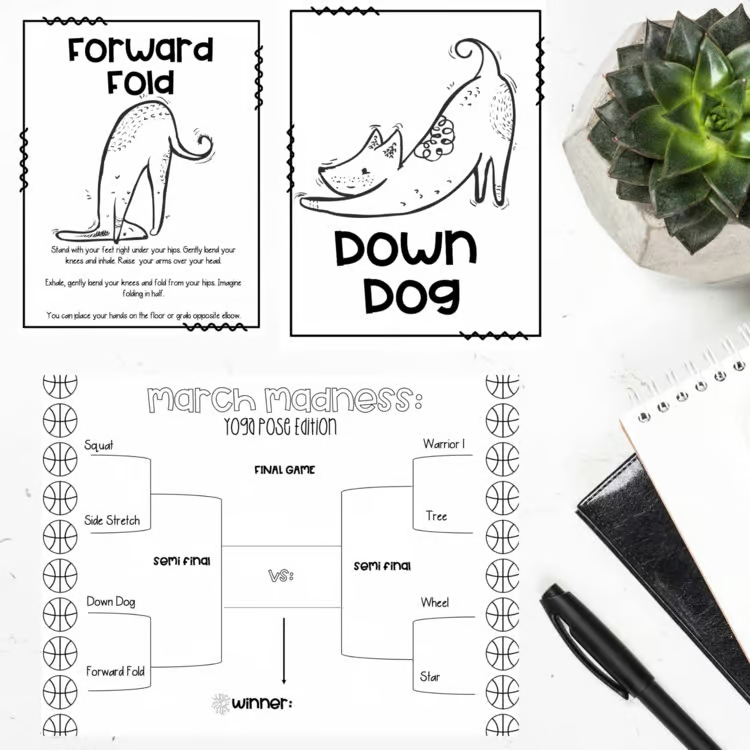
Have students practice various stretches/yoga poses and then create a personal bracket of their favorite or vote as a class.
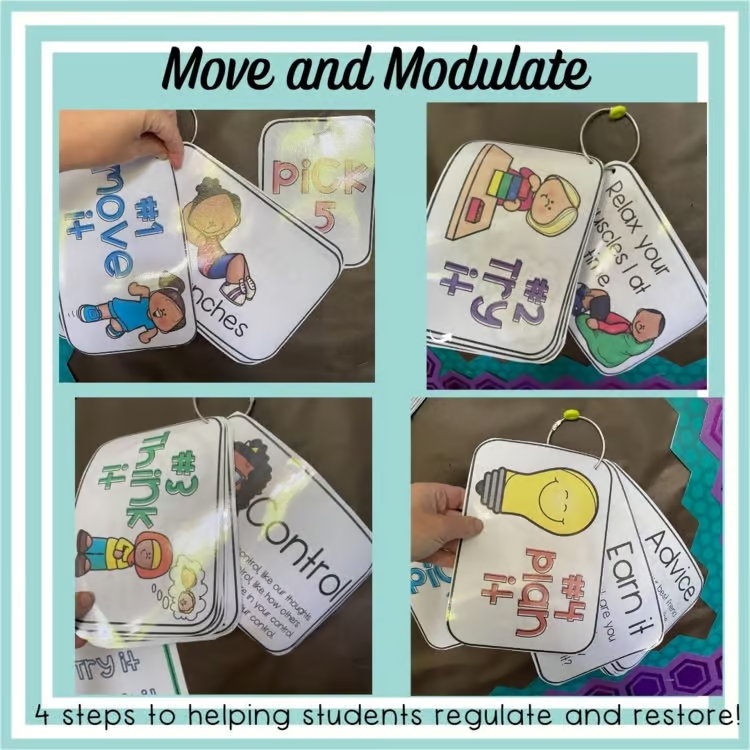
This 4-step regulation process helps students reset their bodies and minds through movement, calming, thinking, and planning. It’s flexible for whole-class breaks, movement rooms, or individual regulation needs, and includes ready-to-use materials for classrooms, calm spaces, and individualized supports.
Why this works:
Students learn that regulation is something they can do, not just talk about.
Quaver Idea: Provide teachers with a substitute login to access a wide range of brain break resources. You can also locate movement videos within the resources section and share direct links to songs that align with your lessons, making it easy for teachers to keep students engaged and regulated.
SEL Works Best When We Work Together
Social and personal skills stick when:
- Counselors teach the skill
- Teachers reinforce it
- Students see it used everywhere
That consistency builds confidence, regulation, and real-world application.
Want This Support Ready to Use?
To make this easy for teachers and counselors, I created the SEL Classroom Support Guide—a simple, low-prep resource that helps teachers reinforce counseling lessons all month long.
Download the guide here:
👉 Join my newsletter to get monthly tools and curated resources.
Pin For Later
 Pawsitive School Counselor
Leave a comment