Helping students build strong social and emotional skills is one of the most important (and sometimes most challenging) parts of school life. From managing frustration to showing respect during group work, educators spend countless moments teaching behaviors that help kids succeed inside and outside the classroom.
Below are ten key behaviors children commonly need support with, along with quick explanations you can expand on when adding books, activities, and resources.
1. Accepting “No”
Learning to hear “no” without arguing or melting down builds resilience and flexibility. This skill teaches kids that limits are safe, normal, and not personal.
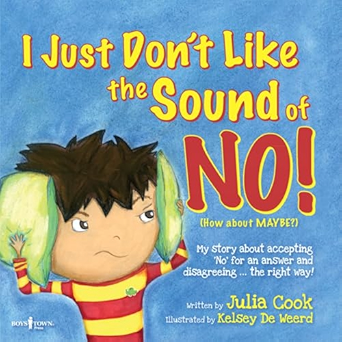
RJ hates hearing the word “No.” He’ll try anything to turn it into a “Maybe”—but nothing works until his teacher invites him to join the Say YES to NO Club. With a little guidance, RJ learns how to accept “No” for an answer and how to disagree the right way. Soon, he discovers that using these skills brings praise, rewards, and happier moments at home and school.
In this second book of the “BEST ME I Can Be!” series.
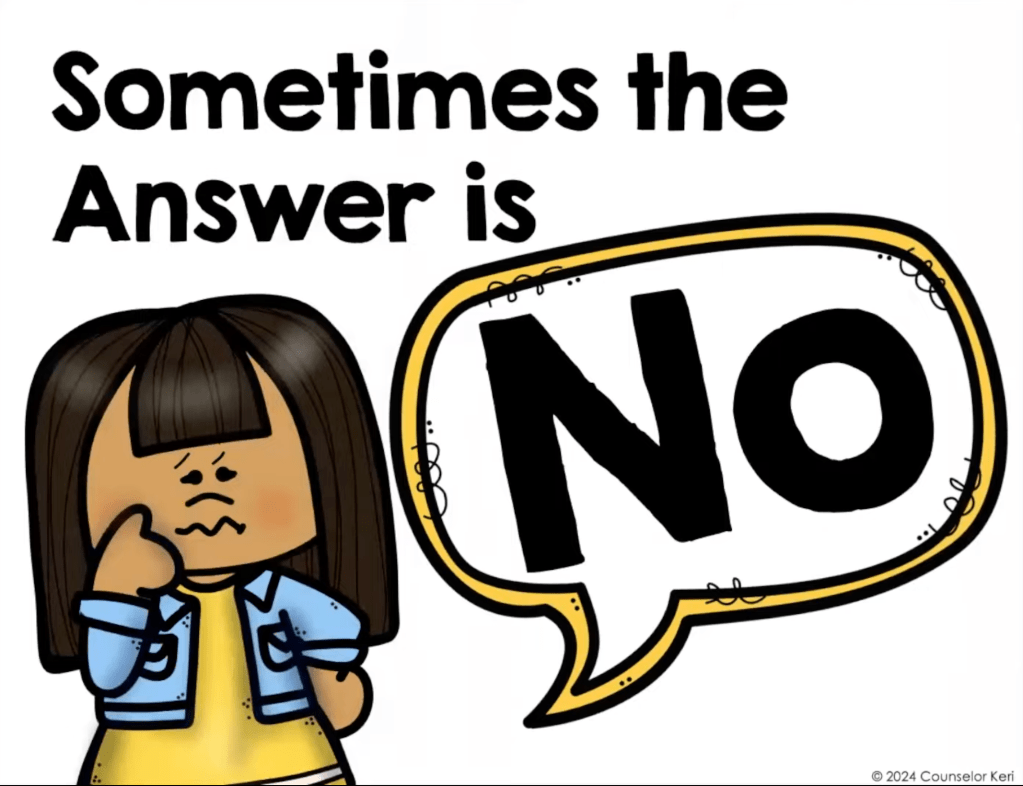
“Sometimes The Answer Is No” by Keri Powers is a fun virtual story you can watch on YouTube.
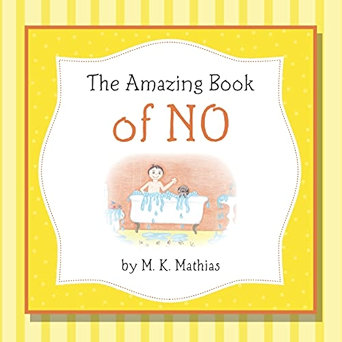
Uses a simple, engaging story about two moms—one who always says “no” and one who always says “yes”—to teach children ages 3–7 how to accept “no” without arguing.

This empowering picture book shows that even the best ideas can face a thousand NO’s—and that those NO’s can help shape an even better YES. When a young girl’s big idea is challenged again and again, she learns to persevere, collaborate, and imagine new possibilities.
Celebrates creativity and determination, reminding kids that great things happen when they don’t give up.
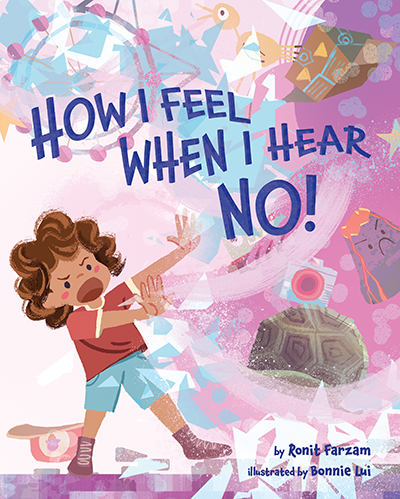
The story follows one child as his imagination begins to swirl with fiery dragons, stormy volcanoes, and mischievous wizards when he hears this frustrating word.
Through playful imagery and expressive illustrations, this picture book helps children recognize what anger and disappointment feel like inside their minds and bodies.
2. Listening and Following Directions
Following directions the first time saves frustration and keeps the classroom running smoothly. Strong listening skills also help students stay safe, focused, and ready to learn.
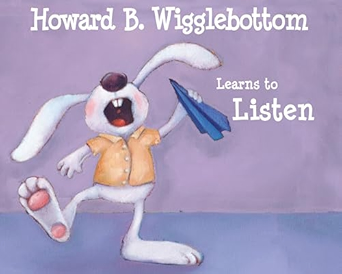
Howard B. Wigglebottom has a hard time listening—until his choices start causing trouble at home and school. With gentle humor and relatable situations, this story helps young readers see why listening matters and how it leads to safer, happier days. A simple, engaging lesson for children learning to follow directions and show respect.
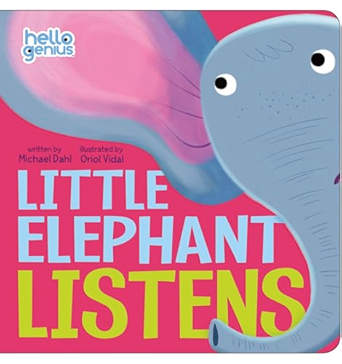
Little Elephant uses his big ears to listen to his parents. He listens to them at playtime, bathtime and bedtime. Vibrant photos and short text make this sturdy board book perfect for 6 months and up!
Partner with this activity set from The Responsive Counselor.
Partner with this punch card incentive for students who demonstrate active listening.
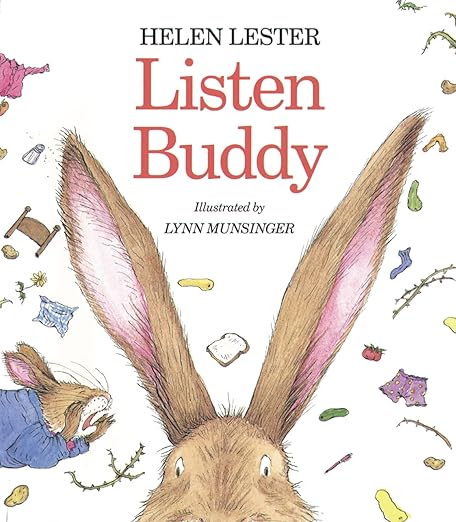
Buddy comes from a talented family—his dad’s a super sniffer, his mom’s a master chomper—but Buddy’s big ears don’t help him listen. In this humorous tale, Helen Lester and Lynn Munsinger team up again to deliver a charming story about a bunny who just can’t pay attention.
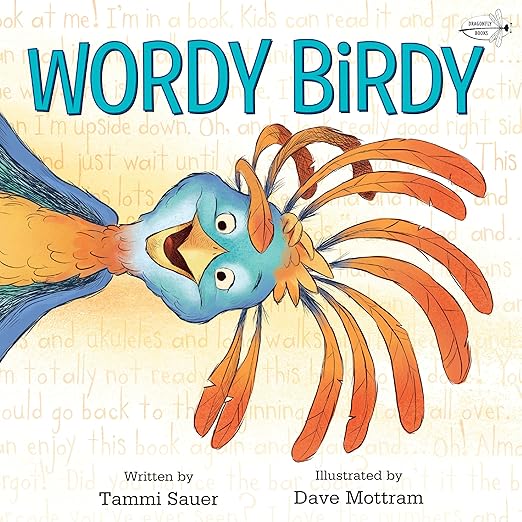
Birdy is a talkative character whose nonstop chatter leads her into trouble. She talks so much that she misses a “No Trespassing” sign and finds herself in danger. This story teaches children that listening carefully is important, especially when it comes to safety and guidance from adults.

Owen loves to talk constantly, which keeps him from listening to others. When he wakes up with laryngitis, he discovers the joys of listening and how it can make him a better friend.
Written by the same team behind The Invisible Boy, this book thoughtfully explores social dynamics and is perfect for classroom discussions about friendship and the power of listening to connect with others.
3. Waiting Your Turn
Waiting teaches patience, fairness, and impulse control. Kids learn that everyone gets a turn, even if theirs isn’t first.
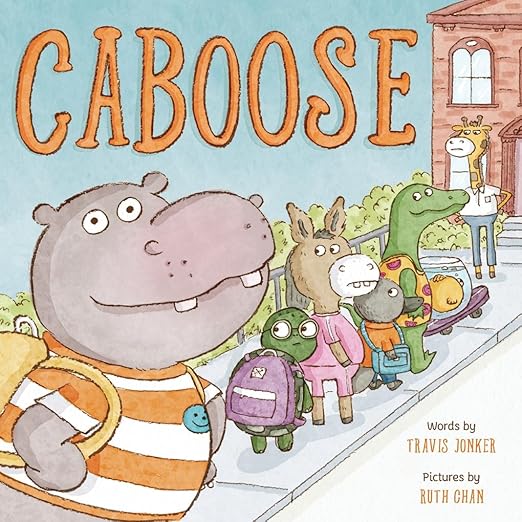
Cedric loves being line leader, using tricks like the fast walk, slow run, and shoulder tap to stay in front. But when his antics go too far, he’s sent to the very back—the caboose—where he invents clever new ways to keep the fun going.
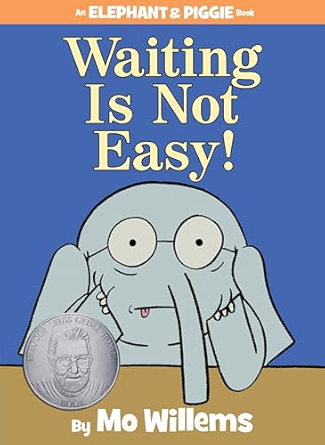
Piggie has a surprise for Gerald, but he is going to have to wait for it. And Wait. And wait some more…
I love to use this to do a Reader’s Theater to practice our reading skills, patience, and taking turns while reading aloud.
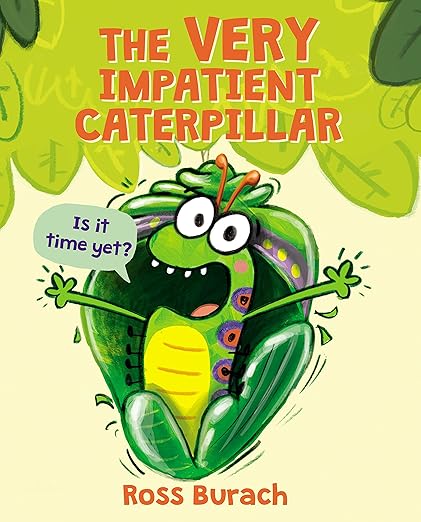
A hyper-excited caterpillar learns he’s about to “metamorphosize” into a butterfly—but he has zero patience. As he impatiently waits inside his chrysalis for two long weeks, he paces, complains, and worries about what could go wrong.
Eventually, he learns to let nature take its course—and finally emerges as a butterfly. Through humor and bold illustration, the book teaches a gentle lesson about patience and the wonder of growth.
4. Managing Disappointment / Not Getting What You Want
Handling letdowns in a healthy way is a life skill. When students learn coping tools, they bounce back faster and respond with more maturity.
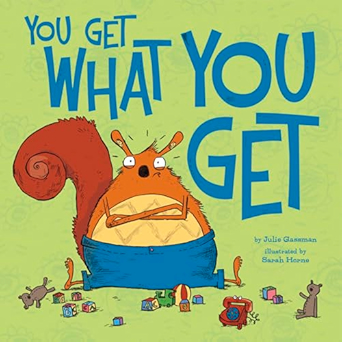
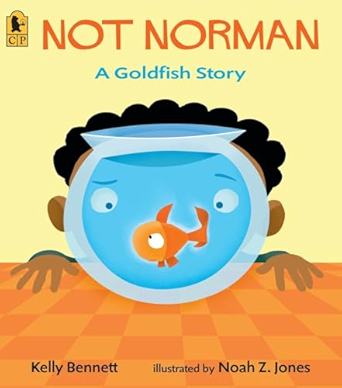
Norman the goldfish isn’t the pet this boy expected—he wanted a furry, playful companion. But when he tries to trade Norman for a “better” pet, things don’t go as planned. With humor and heart, Kelly Bennett and Noah Z. Jones tell a funny, unexpected story about discovering the value of what you already have.
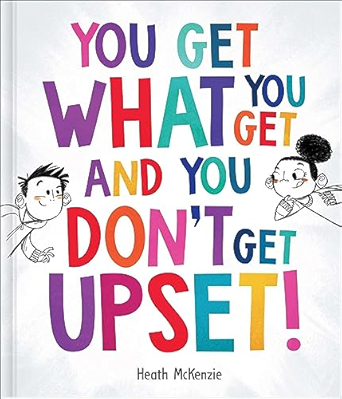
A playful picture book that helps children handle disappointment. Follow Molly and her friends as they learn it’s okay when things don’t go their way. With humor and lively illustrations, this story teaches patience, resilience, and emotional growth.
Partner with the “When I Don’t Get My Way” lesson from Quaver.
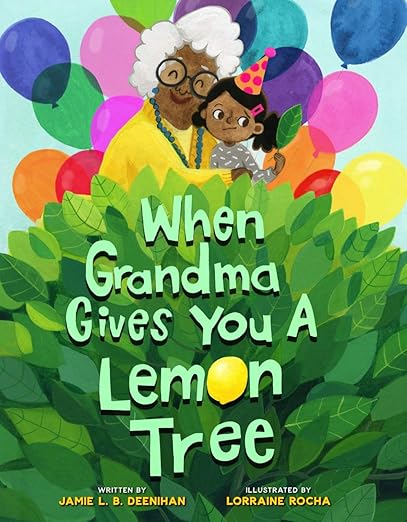
In these charming stories, a young girl and boy are initially disappointed by unexpected birthday gifts, a lemon tree and a toolbox. Through humor and heart, they learn to appreciate the thought behind the gifts, practice gratitude, and discover the value in surprises and keeping an open mind.
Perfect for teaching thankfulness, kindness, and enjoying life’s unexpected moments.
Find the books here on Amazon: Grandma and Grandpa
Partner with lessons from the Counselor Collab.
5. Self-Regulation
Self-regulation helps students recognize and manage big emotions. This skill allows them to pause, think, and choose actions that align with expectations.
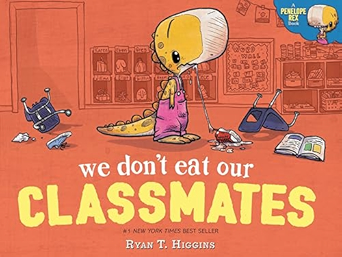
It’s the first day of school for Penelope Rex, and she can’t wait to meet her classmates. But it’s hard to make human friends when they’re so darn delicious! That is, until Penelope gets a taste of her own medicine.
This is a fun book about temptation and regulation, but you may need to scaffold it to help students understand the analogy.
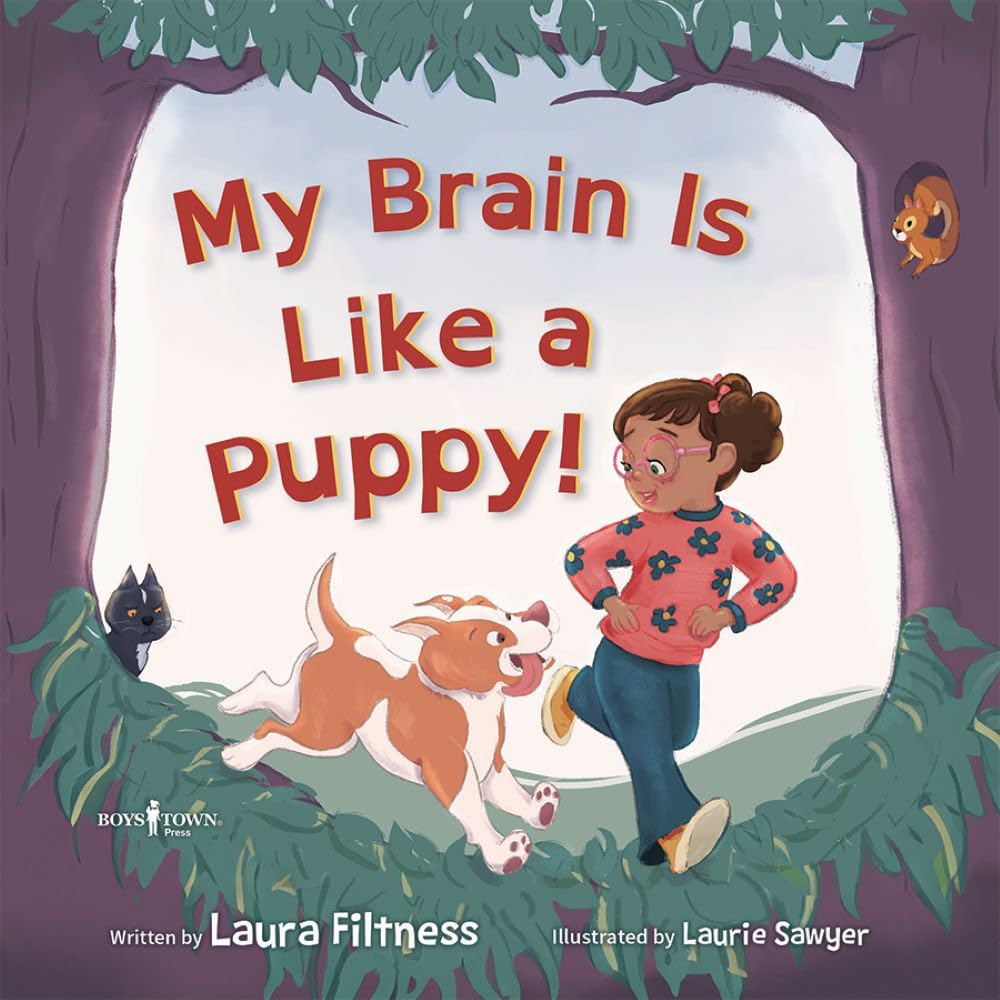
After much asking, pleading, and begging, Brooklyn is finally getting a puppy!
She names her four-legged fur friend Boss and immediately falls in love with him. Brooklyn soon discovers, however, that her pup has many mischievous behaviors. He can be shy and sassy as well as stubborn and excitable. If Boss is ever going to live up to his name, he will need better manners, more discipline, and proper social skills! So, it’s off to puppy school for Boss and Brooklyn.
The weeks-long training class culminates in a Canine Good Citizen Test that they must pass. But before that final exam, they have much to do. There are new commands to learn and skills to practice.
Find it here on Amazon.
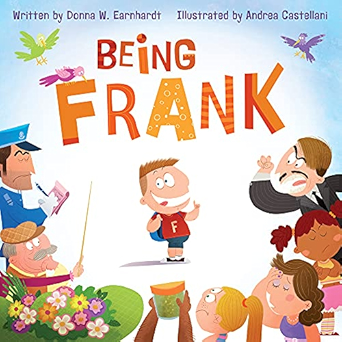
Frank lives by the motto, “Honesty is the best policy,” but sometimes telling the whole truth can be tricky—and funny! From pointing out his teacher’s onion breath to teasing the principal’s toupee, Frank learns that honesty can unintentionally hurt others. With guidance from his Grandpa Ernest, he discovers that being truthful is important, but so is being kind.
You can also watch it on Storyline Online.
After reading, have students write down their thoughts or comments. Then, go through them together and identify which ones should be filtered before sharing.
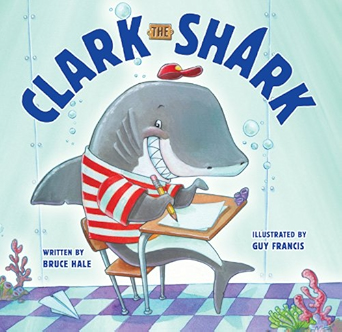
Clark is a high-energy shark who zooms through school, making a big splash everywhere he goes. Though he means well, his excitement can overwhelm others—until Mrs. Inkydink helps him learn how to channel his energy.
Watch it on Storyline Online, which also has activity guides.
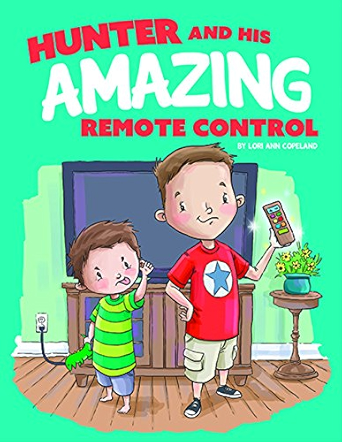
This colorful, illustrated storybook offers a unique way to teach children self-control, whether or not they have ADD or ADHD. Hunter shows students how he learned to use his special remote control to stay focused and be more successful.
After reading have students make their own remote controls.
6. Personal Space
Understanding boundaries helps prevent conflicts and keeps everyone comfortable. Kids learn that respecting space is part of being a kind classmate.
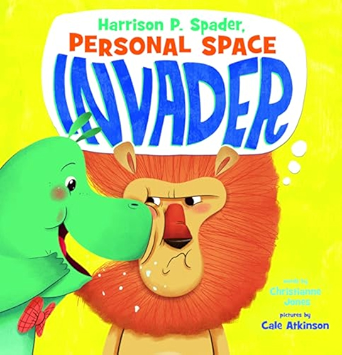
Harrison P. Spader sat a little too close. Shook hands a little too long. High-fived a little too hard. And hugged a little too much. Harrison P. Spader was a personal space invader. But that all changes when he learns the Space Saver rhyme: Arms out front, then out real wide. Now place your arms back by your sides.
Partner with this activity from Music City School Counselor.
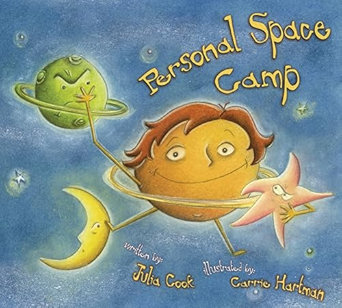
Louis is back! And this time, he’s learning all about personal space. When Louis, the world’s self-proclaimed space expert, is invited to Personal Space Camp by the school principal, he soon learns that personal space really isn’t about lunar landings, Saturn’s rings, or space ice cream.
Partner with it’s activity book companion.
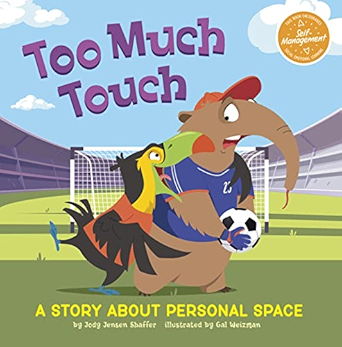
Taylor comes home from summer camp bursting with excitement, but his enthusiasm leads him to forget about personal space. As his friends grow upset, he struggles to understand why, until he learns an important lesson about keeping his hands to himself.
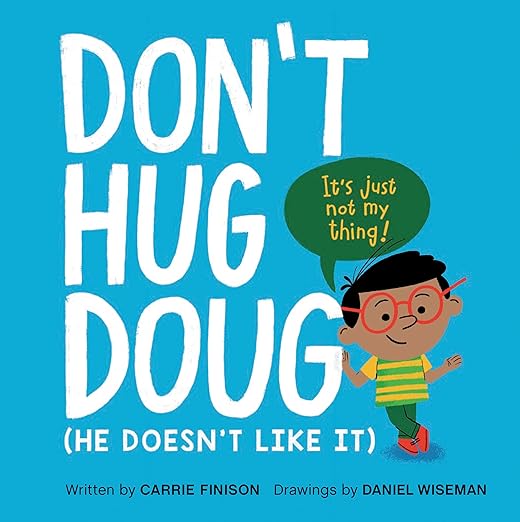
Doug does not like hugs—too squishy, too squeezy, too much! He’d rather give high fives of every kind. Some people love hugs, and some don’t, and Doug reminds us that the only way to know is to ask. Everyone gets to choose what kind of affection feels right for them.
There are tons of book companions on TpT.
7. Playing Fair & Practicing Good Sportsmanship
Games are more fun when everyone plays with honesty and kindness. Sportsmanship teaches teamwork, empathy, and how to be a gracious winner or loser.
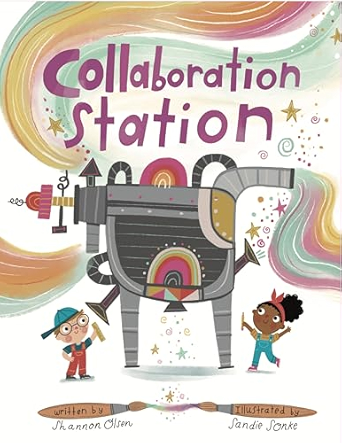
Teaches kids teamwork, sharing, and problem-solving in the classroom, helping them build the collaboration skills they’ll use for years to come.
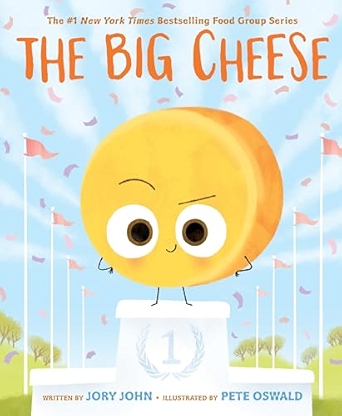
The Big Cheese thinks he’s the best at everything—until quiet newcomer Wedge Wedgeman wins the annual Cheese-cathlon. Will the Big Cheese learn that a little humility can be sweeter than always being first?
Partner with this book companion from The Responsive Counselor.
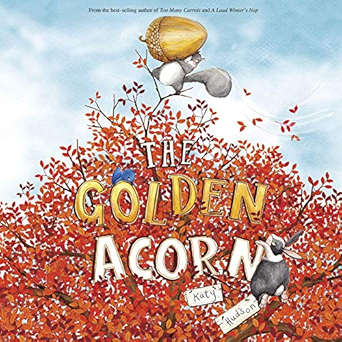
Whoosh! Squirrel races through the autumn leaves—but this year, The Golden Nut Hunt is a team event. Reluctantly, she enlists her friends and isn’t thrilled about it. Will Squirrel’s competitive streak win out, or will she discover the power of teamwork?

Howard B. Wigglebottom learns an important lesson about sportsmanship in this fun, engaging story, discovering that winning isn’t everything and that kindness, fairness, and teamwork matter most.
Read the book online and find interactive companion activities here.
8. Sharing
Sharing teaches cooperation and builds friendships. Kids learn that taking turns with materials helps everyone enjoy learning together.
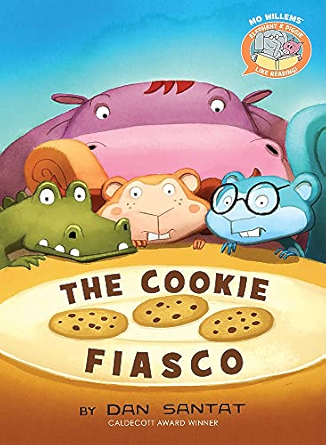
Hippo, Croc, and the Squirrels are determined to have equal cookies for all! But how? There are only three cookies . . . and four of them! They need to act fast before nervous Hippo breaks all the cookies into crumbs!
Partner with this activity set on fairness from Teaching with Haley O’Conner.
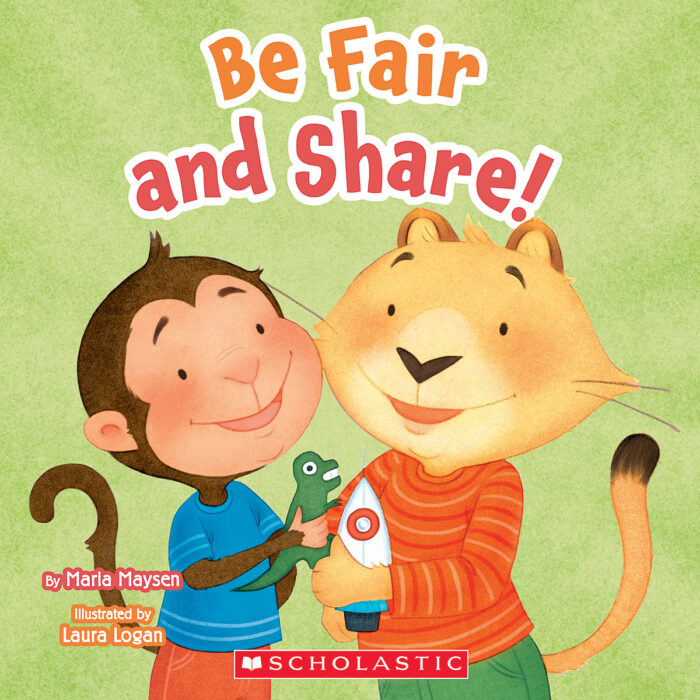
Cubby can’t wait for Monkey to come over – but will he have to share his toys? What will happen when Monkey comes over to play? A sweet, reassuring story about being kind to others and learning to be fair and share!
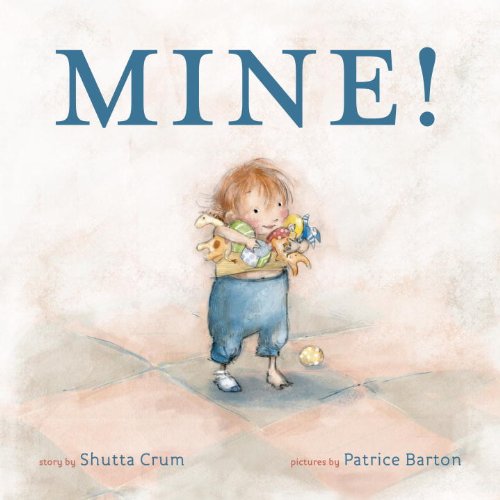
A picture book following two young children and their lovable dog as they navigate the challenges and joys of sharing their favorite toy.
After reading have students practice by playing a collaborative game together.
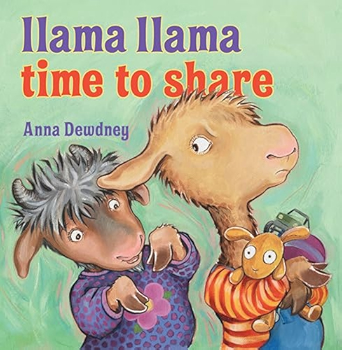
Llama Llama meets his new neighbors, Nelly Gnu and her mama, for a play date—but sharing isn’t easy. A fun castle-building session goes awry when Nelly accidentally rips Llama’s beloved Fuzzy Llama. Mama steps in to fix Fuzzy and teaches an important lesson about being ready to share.
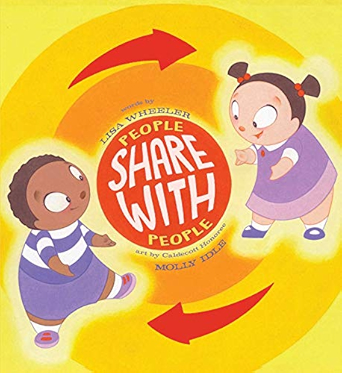
In this playful follow-up to People Don’t Bite People by Lisa Wheeler and Caldecott Honor–winner Molly Idle, young readers are reminded that sharing is caring—making learning good behavior fun and full of charm!
9. Making Choices & Understanding Consequences
Kids need guidance on how choices lead to outcomes. Practicing decision-making empowers them to think ahead and take ownership of their actions.
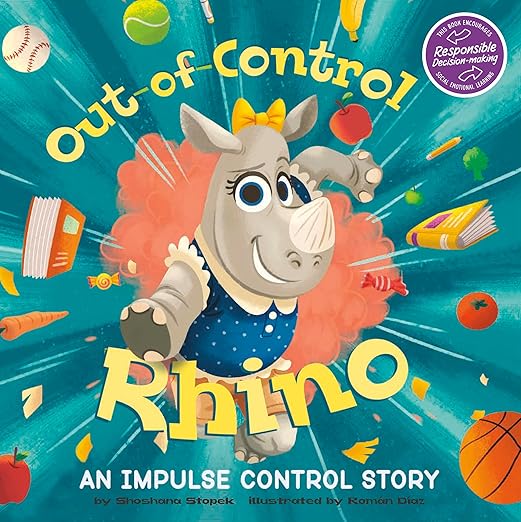
Roxy the rhinoceros has a hard time waiting her turn, listening, and sharing—until a friend teaches her a simple rhyme that helps her “stop, think, and wink.” With this new strategy, she learns to pause before acting and make better choices.
Partner with this game from Social Emotional Workshop.
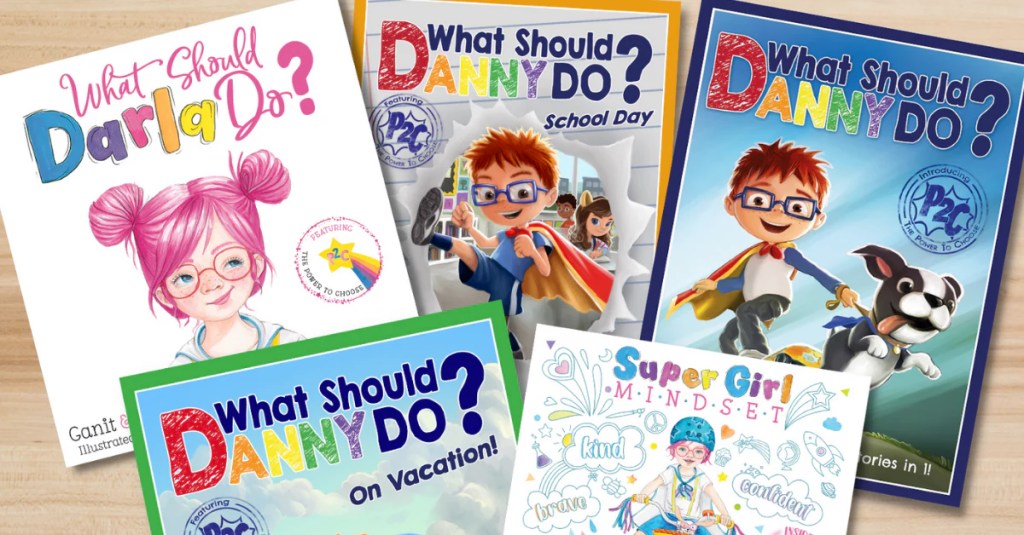
This entire “choose your own” adventure style book series is perfect for helping kids make choices as they read, and see the outcomes of those choices.
Find the series here on Amazon.
Partner with this activity set on decision making from Social Emotional Workshop.
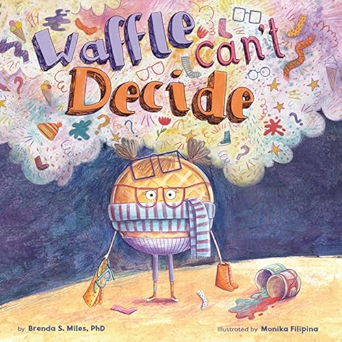
A story about the challenge of making choices. Faced with even simple decisions—like which socks to wear—Waffle becomes overwhelmed, until his indecision turns into a full-blown disaster.
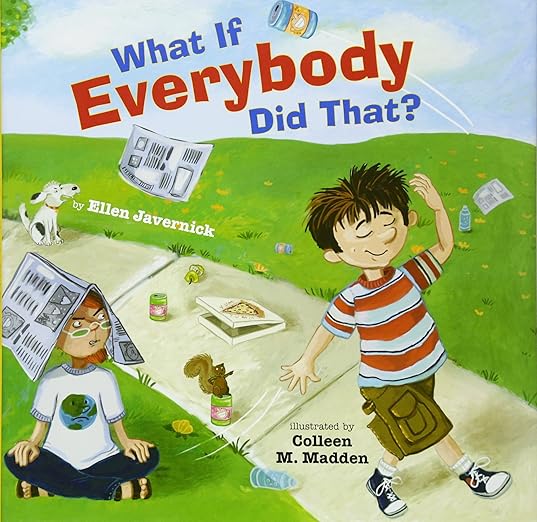
Shows kids how small choices can lead to big consequences. One soda can out the window might seem minor—but what if everyone did it? With humorous illustrations, the book highlights how everyday rule-breaking can create chaos, and reminds readers that following rules helps keep our community clean, safe, and fun for all.
10. Staying On Task
Staying focused helps students complete work efficiently and builds independence. This skill teaches kids how to tune out distractions, manage their attention, and follow through with responsibilities.
After much asking, pleading, and begging, Brooklyn is finally getting a puppy!
She names her four-legged fur friend Boss and immediately falls in love with him. Brooklyn soon discovers, however, that her pup has many mischievous behaviors. He can be shy and sassy as well as stubborn and excitable. If Boss is ever going to live up to his name, he will need better manners, more discipline, and proper social skills! So, it’s off to puppy school for Boss and Brooklyn.
The weeks-long training class culminates in a Canine Good Citizen Test that they must pass. But before that final exam, they have much to do. There are new commands to learn and skills to practice.
Find it here on Amazon.
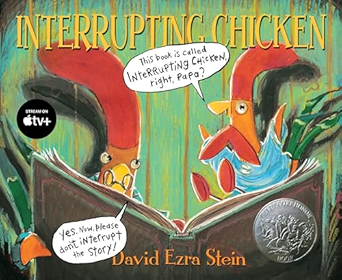
During bedtime, Papa warns the little red chicken not to interrupt—but she can’t resist! From Hansel and Gretel to Little Red Riding Hood, she jumps into the stories to “help” the characters. When it’s her turn to tell a story, will Papa manage to stay awake without interruptions?
This Caldecott Honor book is ideal for teaching self-control and taking turns. It’s also a fun way to set expectations for read-aloud time, showing students why attentive listening is important for a story to unfold.
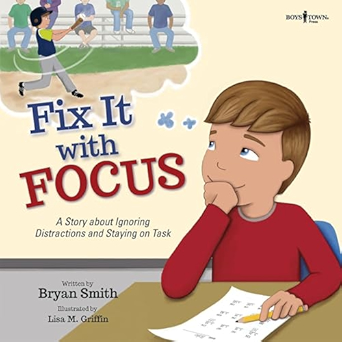
Blake gets the wiggles—a lot—and staying focused is tough, whether he’s knocking over a class project, missing a fly ball, or losing steam during a long math test. With help from caring adults, he learns to use the F.O.C.U.S. strategy (Figure out your job, Outline the steps, Concentrate, Use your tools, and Stop when finished) along with practical tools like brain breaks and fidgets.
Partner with these printable activities from Boys Town Press.
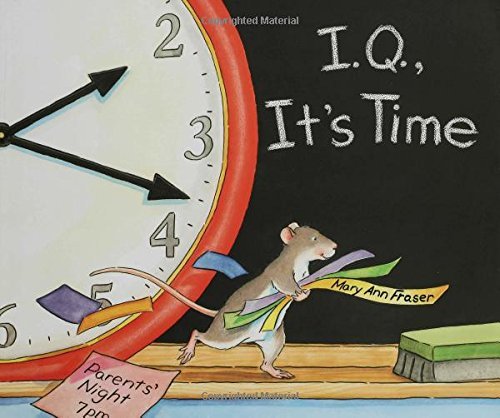
In this I.Q. adventure, the class is busy preparing for Parents’ Night while learning how to tell time using all kinds of clocks—from analog and digital to wristwatches and stopwatches. As they practice counting by fives and understanding hour and minute hands, I.Q. works hard on a special surprise for the parents and hopes he can finish it in time.
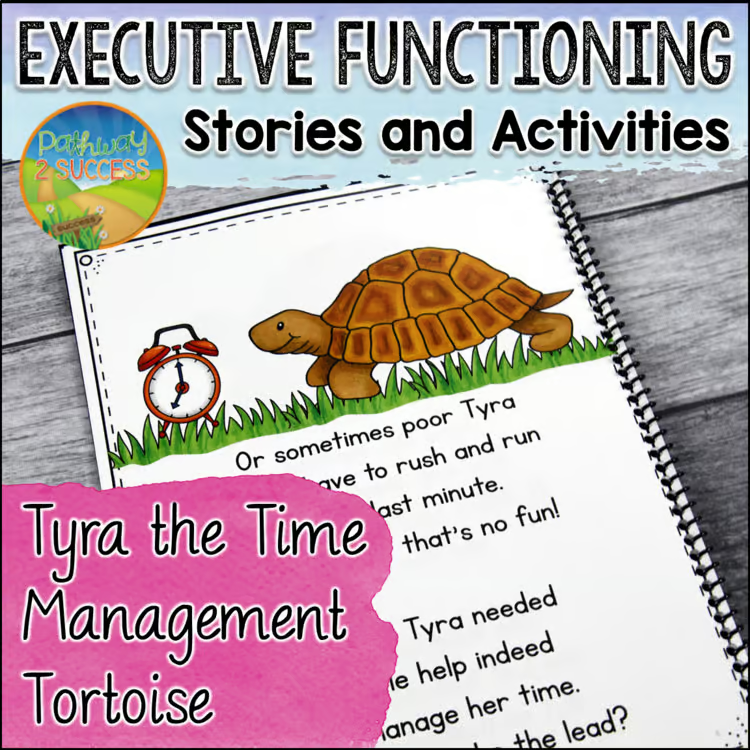
This executive functioning short story highlights skills for time management. Kids will read along with Tyra the Time Management Tortoise as they learn how to use their time well. This skill will help kids learn how to estimate how long tasks will take, put distractions away when it’s time to work, adjust your pace while working, and more.
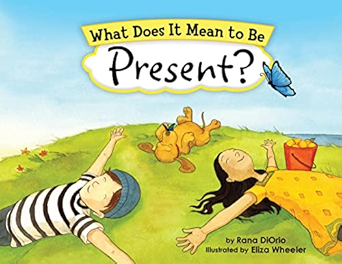
Gently introduces young children to mindfulness, teaching them to listen, notice their surroundings, and show kindness and focus through everyday moments.
Supporting student behavior isn’t about perfection—it’s about providing kids with the tools, language, and confidence they need to grow. When educators intentionally nurture these foundational skills, classrooms become calmer, relationships become stronger, and students become more independent problem-solvers. The right books and resources can make these lessons feel engaging, relatable, and fun, giving kids the models they need to practice positive behavior every day. Below you’ll find curated book suggestions to help bring each skill to life in your classroom or counseling office.
Download the printable list here:
Shop The List On Amazon
Shop The List On Book Shop
Need more? Check out my Book Database!
Pin For Later
 Pawsitive School Counselor
Leave a comment