Divorce and family transitions can bring up big emotions for children—confusion, sadness, anger, and even guilt. As caring adults—whether we’re counselors, educators, or parents—it’s important to help children feel safe, seen, and supported through these changes.
One gentle and effective way to start conversations is through picture books. Stories can offer language kids don’t yet have, normalize their feelings, and show that they’re not alone.
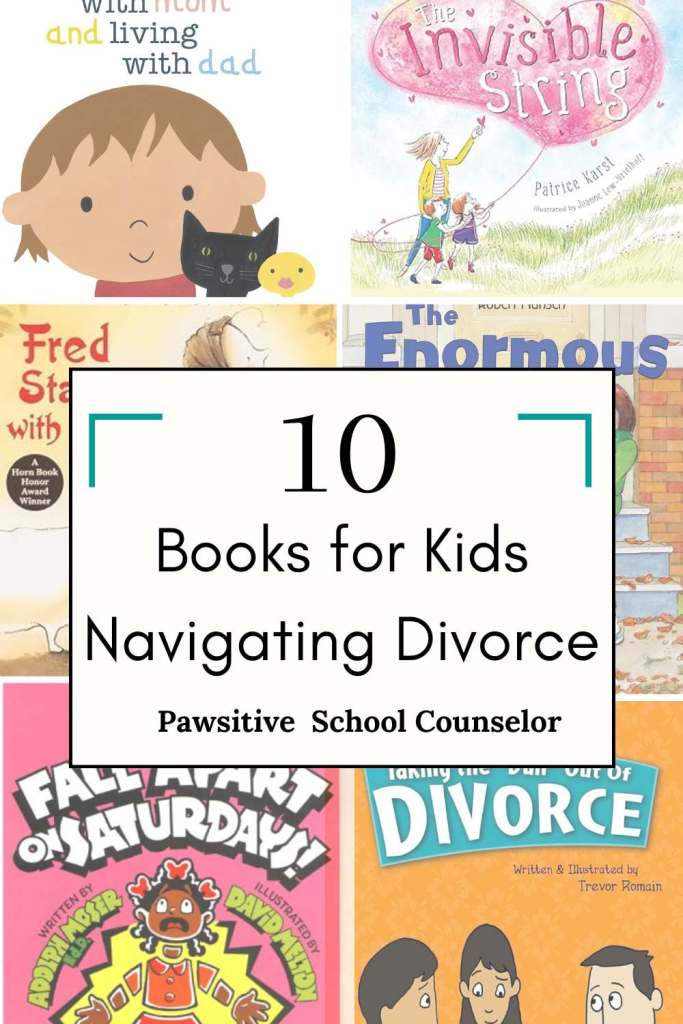
10 Powerful Books to Help
Here are some of my favorite titles to read with my students:
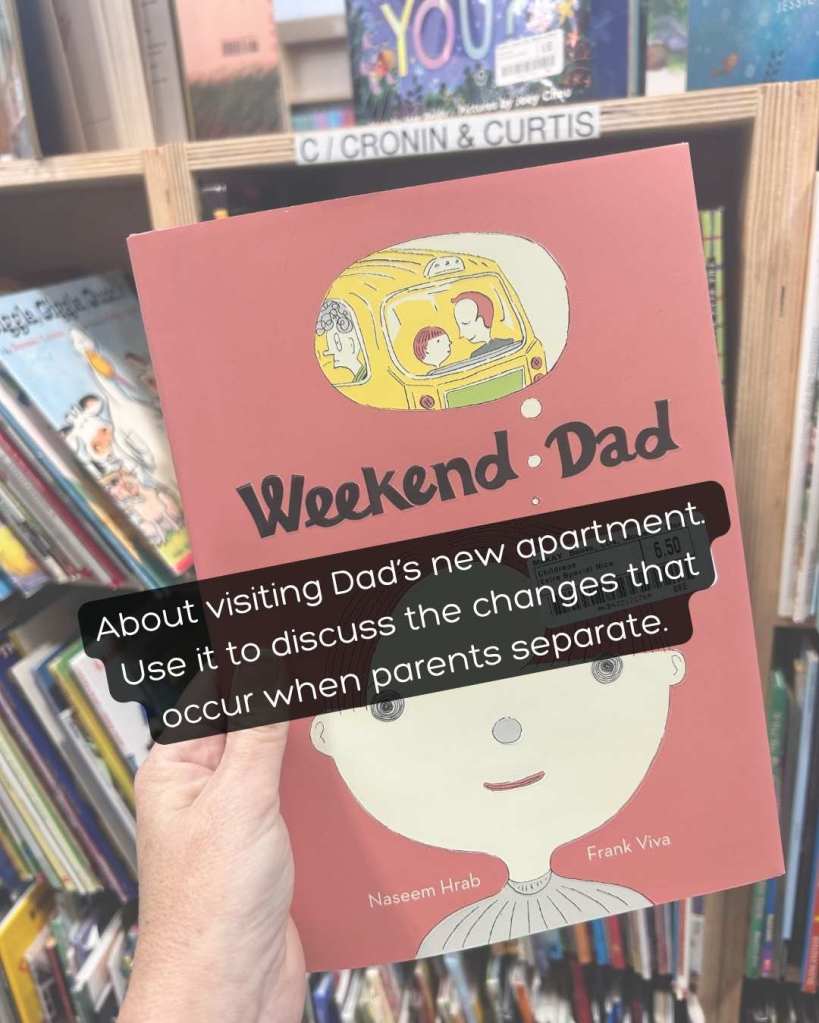
Told from the child’s point of view, this beautifully simple story captures the awkward, quiet, and sometimes sad moments of adjusting to living in two homes. It’s validating and subtle—a great conversation starter for kids who may not have the words yet.

My Family Is Forever by Nancy Carlson
While not about divorce directly, this book is great for discussions around nontraditional families, adoption, or blended families. It reinforces the message that family is built on love, not structure.
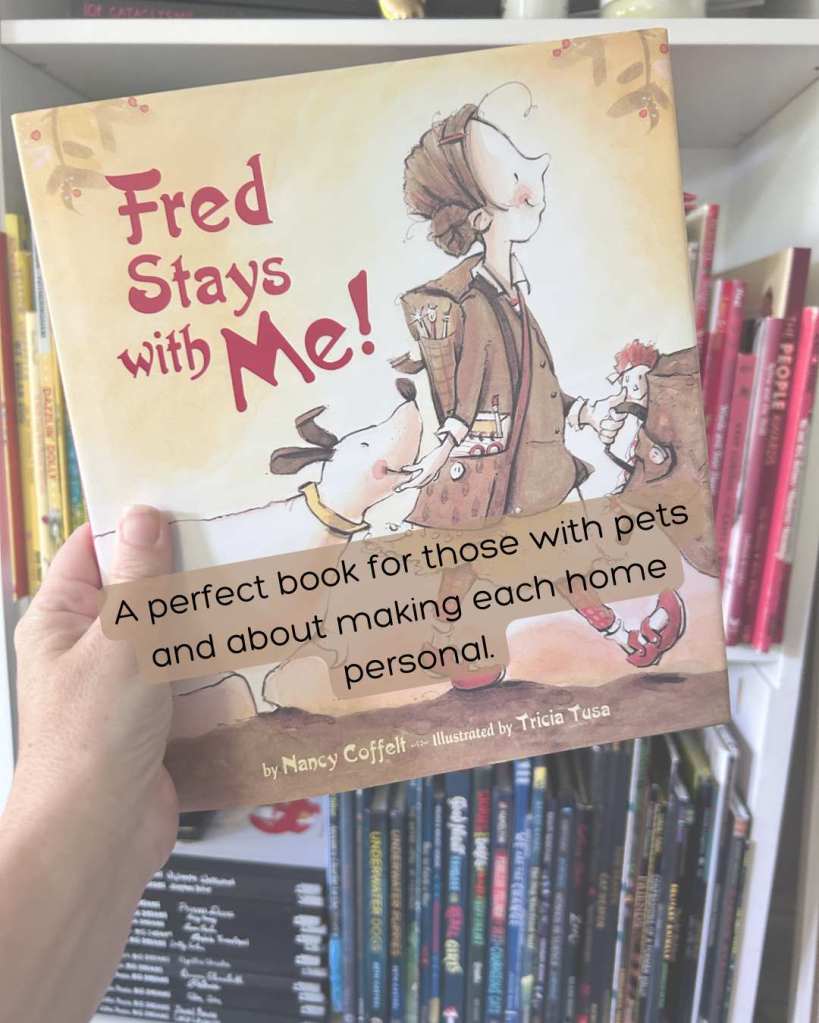
Fred Stays With Me! by Nancy Coffelt
This is a fantastic book for reminding kids that while so much might change during divorce, some things stay the same.The child narrator moves between two homes, but Fred, their dog, stays with them. It’s also a great way to talk about stability, routines, and emotional anchors.
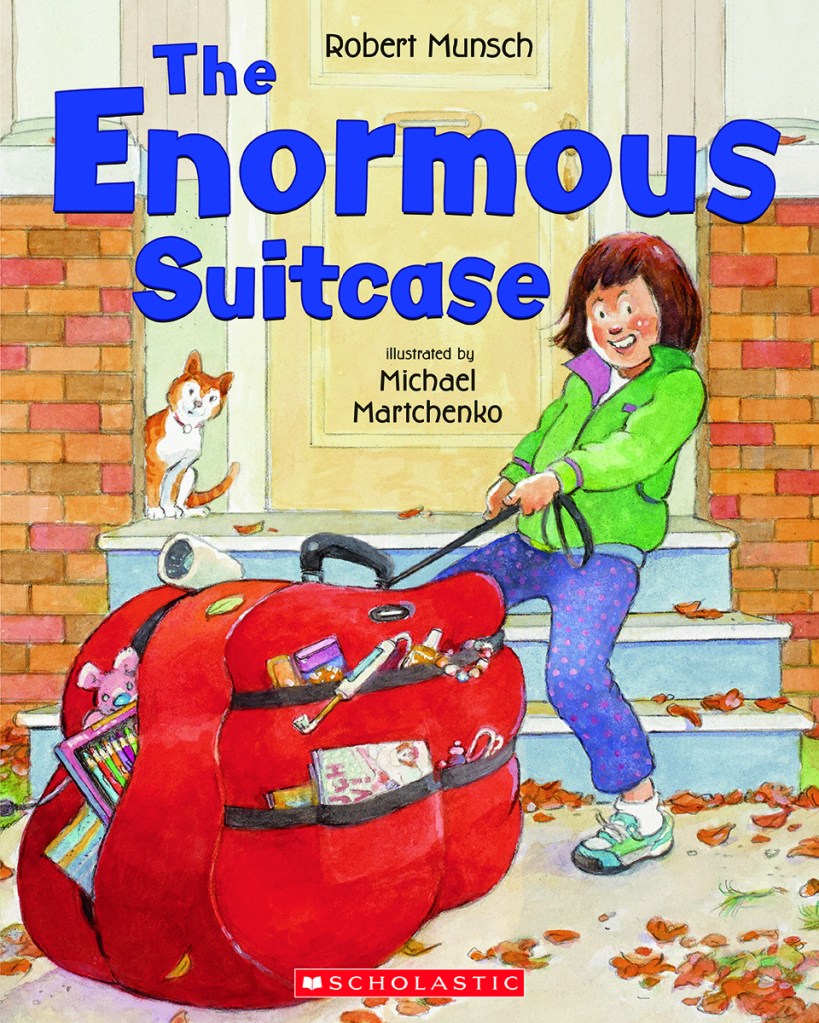
The Enormous Suitcase by Robert Munsch & Michael Martchenko
This story captures the logistical (and emotional) reality of moving between homes—packing bags, switching spaces, and finding consistency in the chaos. Kids dealing with shared custody will feel seen.

Was It the Chocolate Pudding? by Sandra Levins
This one is a must-read for helping children understand that divorce is never their fault. Told with humor and heart, it clears up confusion in a developmentally appropriate way, especially for younger children.
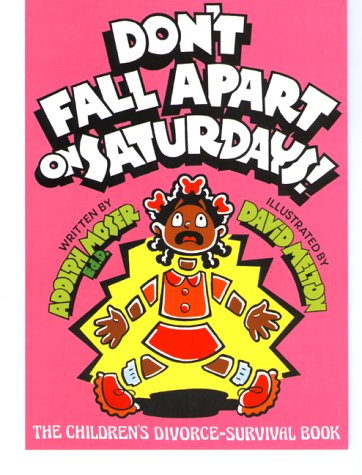
Don’t Fall Apart on Saturdays! by Adolph Moser
This book, part of Moser’s Help Me Be Good series, speaks directly to kids about coping with divorce in a friendly, nonjudgmental tone. It’s straightforward and informative while still feeling supportive.
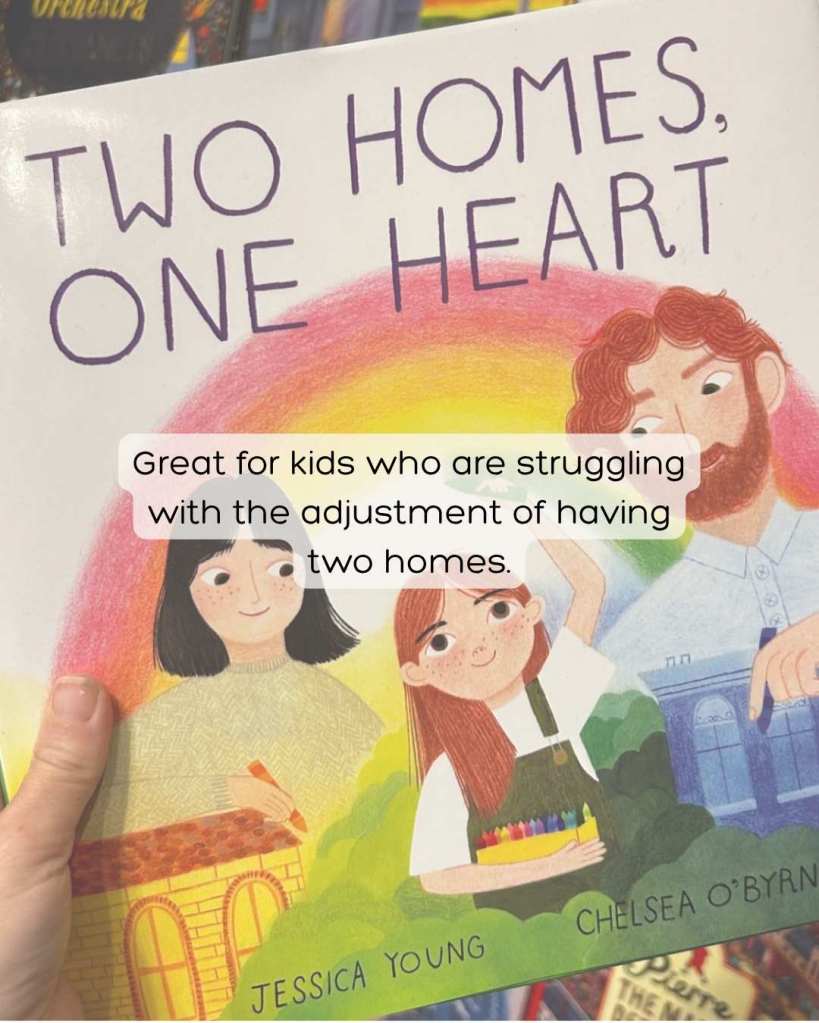
Two Homes, One Heart by Jessica Young
This book gently reassures that although a child may have two homes, their heart and the love they receive remain whole. It is a calming, heart-centered read accompanied by beautiful illustrations.
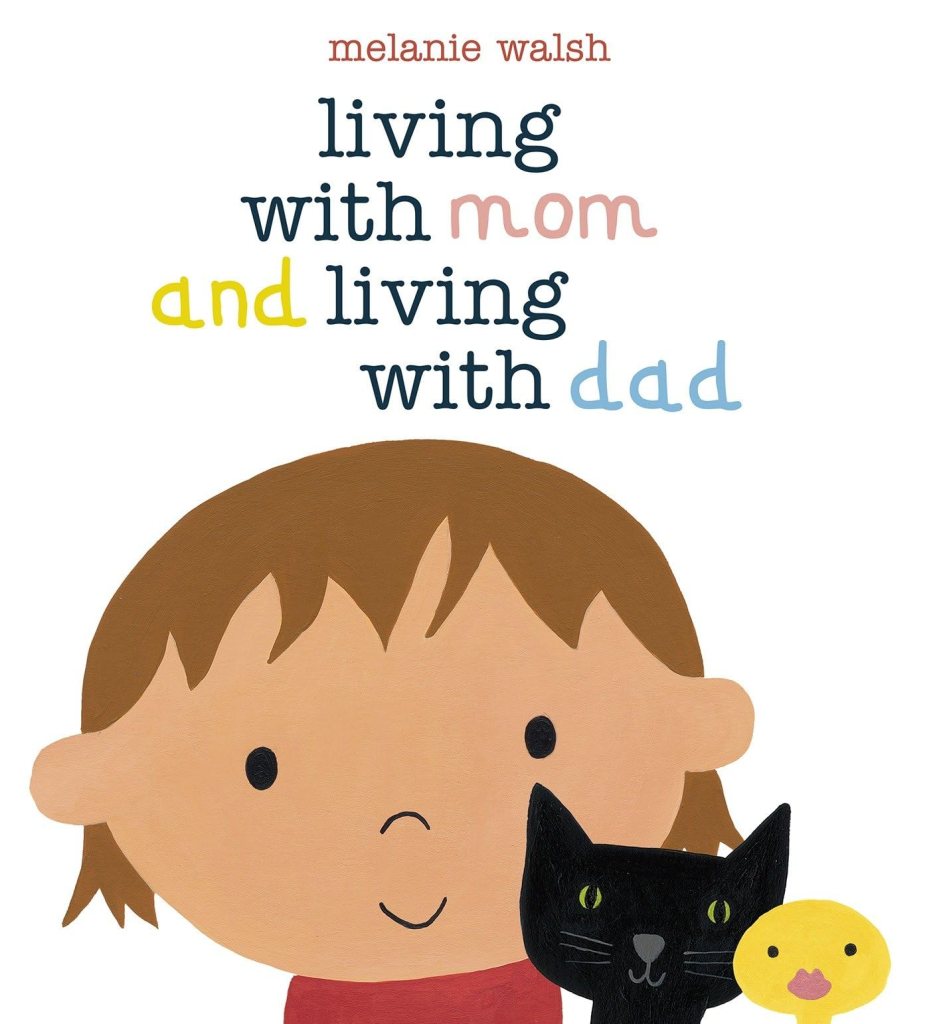
Living With Mom and Living With Dad by Melanie Walsh
A warm, reassuring book that uses lift-the-flap illustrations to show life in two homes. It’s especially useful for very young children who are still grasping what divorce or separation means in practical terms.
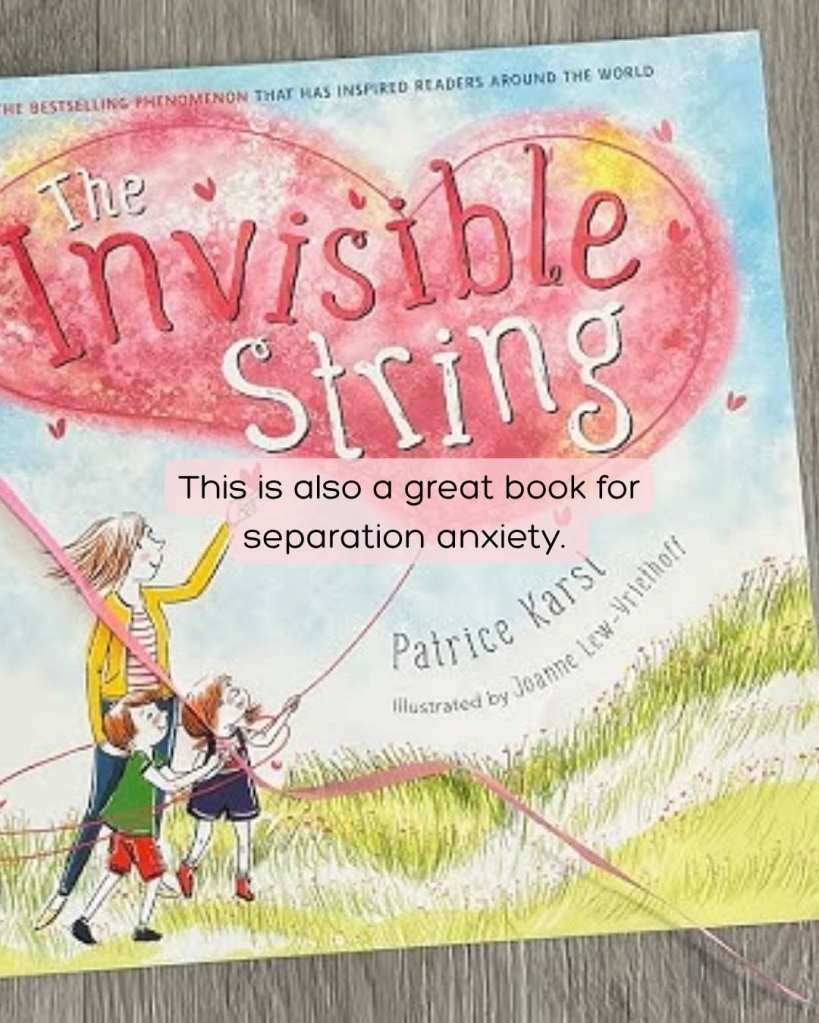
The Invisible String by Patrice Karst
A modern classic that’s incredibly versatile. While it’s not specific to divorce, it’s perfect for helping children understand emotional connection—even when loved ones aren’t physically nearby. A wonderful tool for easing separation anxiety and reinforcing emotional security.
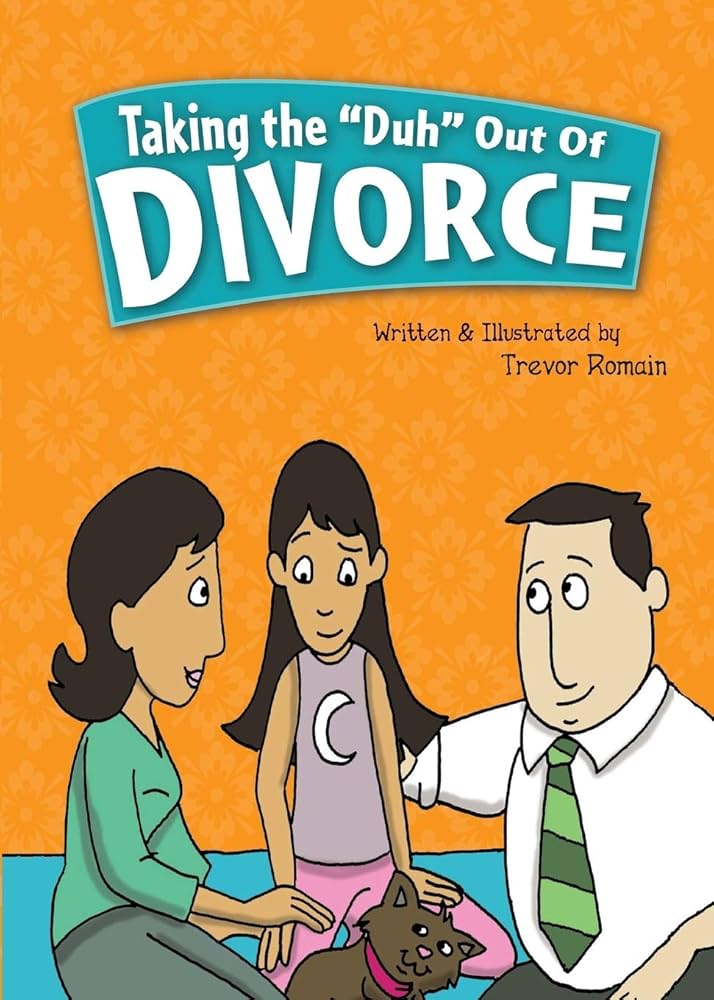
Taking the “Duh” Out of Divorce by Trevor Romain
This one’s geared toward older elementary or preteens. It’s honest, funny, and empowering, helping kids understand what’s happening and encouraging them to express themselves through writing prompts and reflection. It’s also on DVD.
You can find all these titles and more here on Amazon.
Need more titles? Check out my great big book list.
Activities & Tools to Pair with These Books
To help children process what they’re reading and apply it to their own experiences, pairing books with guided activities can make a big difference. These tools help take the conversation beyond the book and into meaningful, personalized reflection and healing.

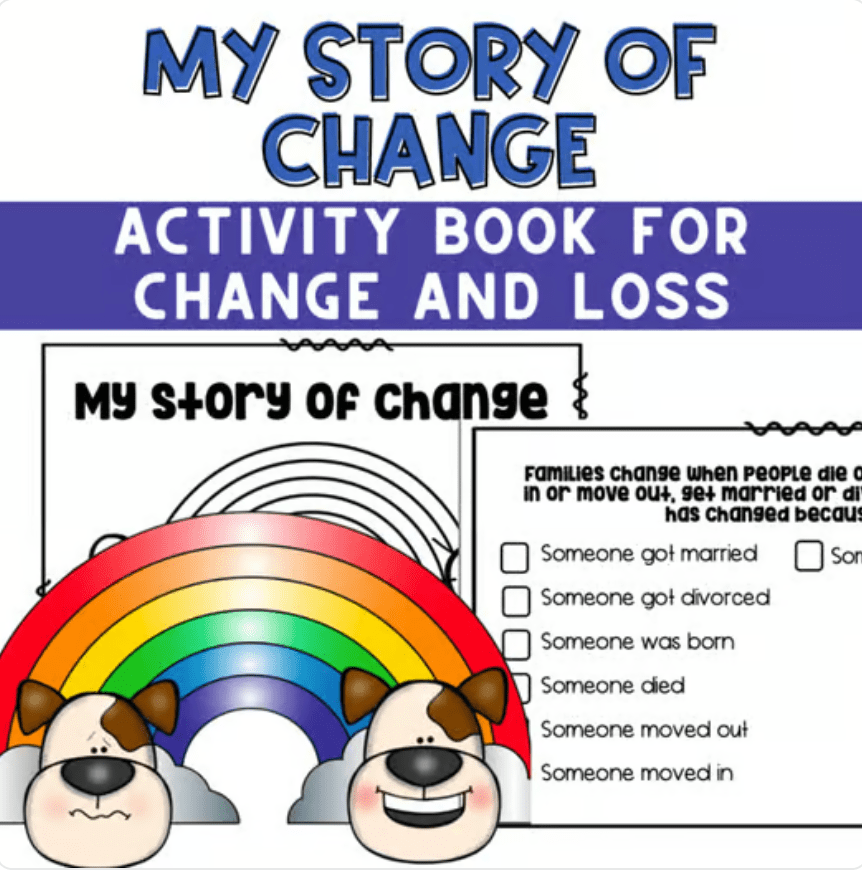
Book Of Change: Activities for grief, divorce, and all of life’s changes
This workbook is designed to help guide students through the difficult emotions that often come with change. This resource offers a gentle, supportive way for children to process feelings related to grief, loss, divorce, family changes, or someone moving in or out of the home.
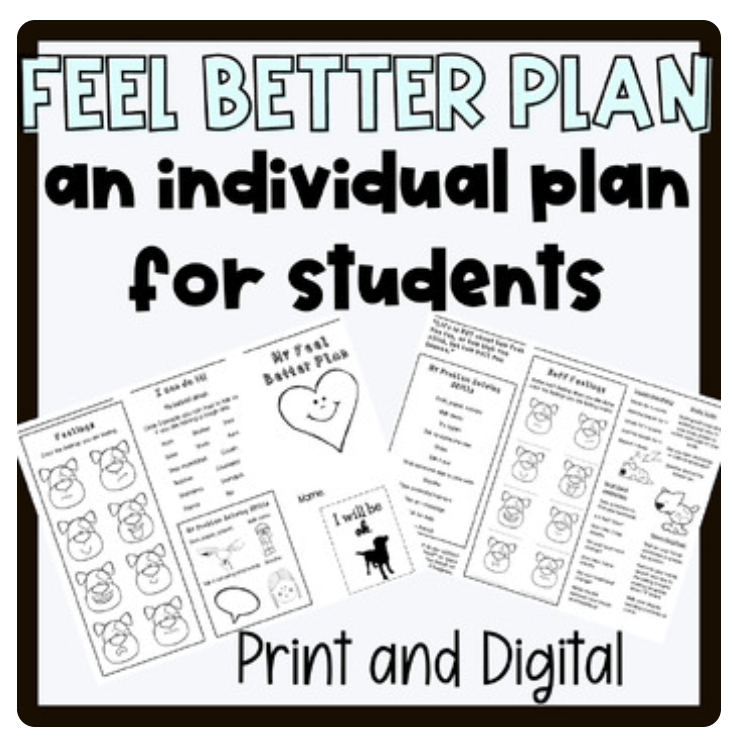
My Feel Better Plan– have students create their own coping plan.
Not specific for divorce or separation, use this to create an individualized plan.
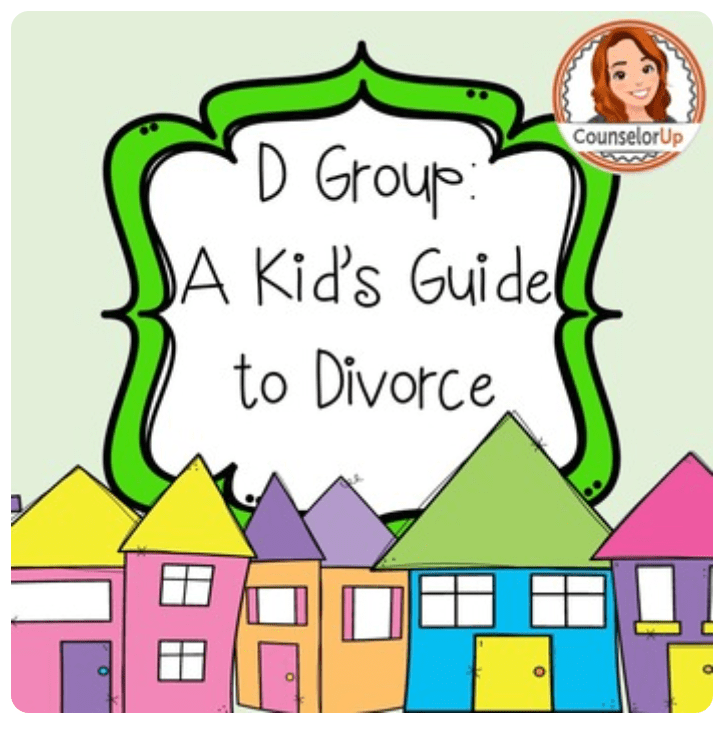
Divorce Small Group by Counselor Up
Perfect for school counselors looking to run a structured, supportive group.

Divorce Small Group by Counselor Up
Which includes kid-friendly pages for exploring emotions, routines, and family changes in a developmentally appropriate way.
Partnering with Families for Ongoing Support
Supporting children through divorce or family changes doesn’t end in the classroom or counseling office—it’s just as important to empower caregivers with tools and resources they can use at home. Building strong school–family partnerships can make a significant difference in how children process and cope with transitions.
One easy way to open that line of communication is by sharing this Helping Kids Through Divorce Parent Brochure. It’s a clear, compassionate resource that provides tips for talking to children about divorce, managing routines between two homes, and recognizing signs of emotional distress. It’s perfect for sending home after a parent meeting, during conferences, or as part of a family support packet.

Parent Brochure: Supporting Students Through A Divorce– in color or black and white printing options. Print and go!
To support kids beyond structured lessons, the Coping Skills Digital Flip book is another fantastic resource. It can be used by both school staff and families to teach and reinforce healthy ways to manage big emotions, whether it’s through breathing techniques, movement, or creative expression. It’s interactive, engaging, and a great way to encourage consistency between school and home coping strategies.

Coping Skills Flip Book– digital so it makes it easy to share via e-mail.
When schools and families work together, kids are more likely to feel secure, supported, and resilient—even in the face of major life changes.
Game and Craft
One of my all-time favorite group activities is a banana-split-themed game that blends creativity with meaningful conversation. Kids take turns building their own pretend banana splits while answering questions about their feelings, experiences, and coping strategies. It’s lighthearted, interactive, and always sparks great round-table discussions. Best of all, it creates space for kids to open up in a playful, low-pressure way.
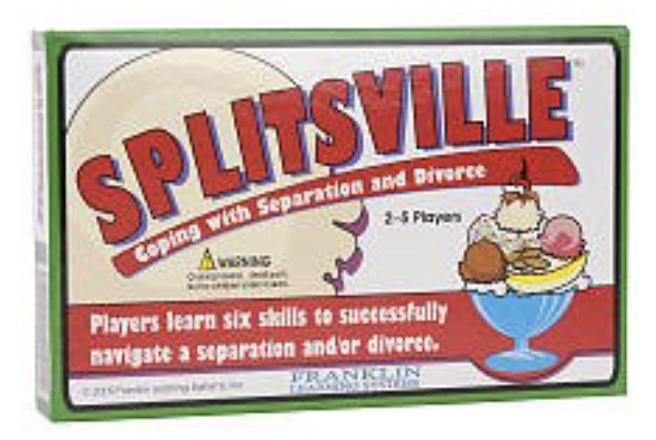
Splitsville: Coping with Separation and Divorce
This is my go to game! It’s gets everyone talking and it’s perfect to partner with this craft.
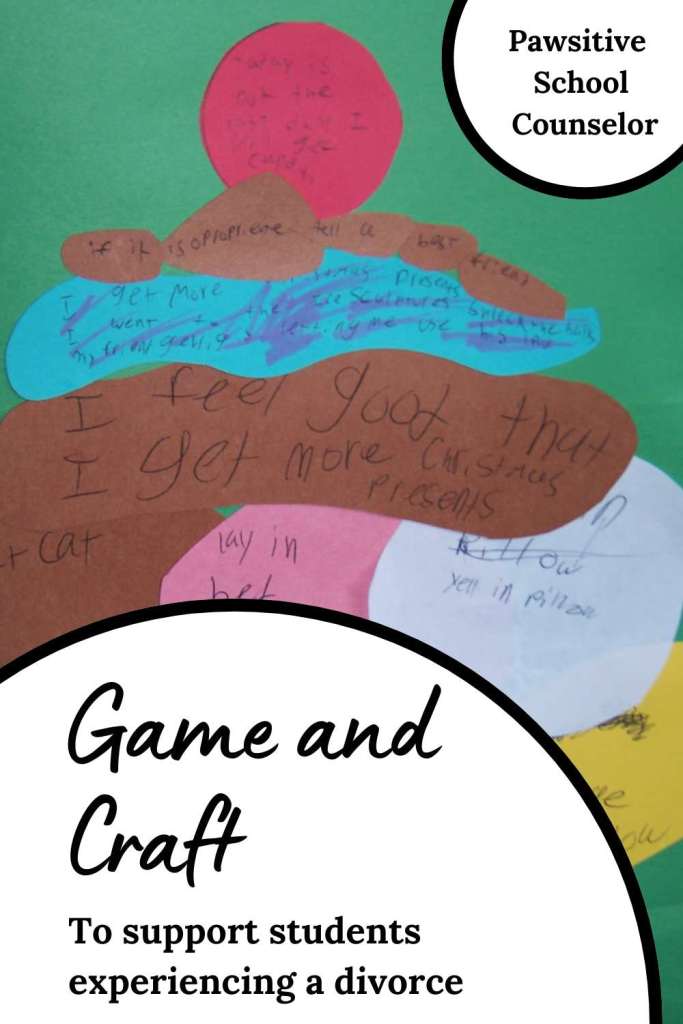
Banana Split Paper Craft
This craft pairs perfectly with the game—or works great on its own! Each part of the banana split represents a different reflection prompt:

- Banana: Write down one thing that has changed since the divorce and how you’ve dealt with it—or a reminder to yourself to stay flexible.
- Ice Cream (3 scoops): List one way to relax on each scoop.
- Chocolate Sauce: Name some feelings you’ve had during or after the divorce.
- Nuts: Write down ways to cope when things get “bumpy” or stressful.
- Sprinkles: Add three positive things that have happened—this week, this month, or since the divorce.
- Cherry on Top: Finish with a hopeful message or encouraging reminder to yourself.
This craft is not only fun and colorful—it also gives students a tangible way to reflect, express, and build resilience. Plus, it makes a great take-home to share with parents or keep in their coping toolkit.

Shop the post

Pin for later
 Pawsitive School Counselor
Leave a comment