What Is Selective Mutism?

Selective mutism is an anxiety disorder that typically begins in early childhood. Children with selective mutism are able to speak and communicate in settings where they feel comfortable, like at home, but consistently struggle to speak in certain social situations, such as at school or with unfamiliar people.
According to the DSM-5, to be diagnosed with selective mutism, the child must: (1) consistently not speak in specific social settings where speaking is expected, (2) this silence interferes with educational or social functioning, (3) the difficulty lasts for at least one month, (4) it’s not due to a lack of knowledge or comfort with the spoken language, and (5) it’s not better explained by another communication disorder or condition. Early identification and support can make a big difference in helping these children find their voice.
Support Strategies for Children with Selective Mutism
Working with a child with selective mutism often takes creativity, patience, and teamwork between school and home. Here are some real-life strategies that have made a difference:
1. Build Confidence Outside of School
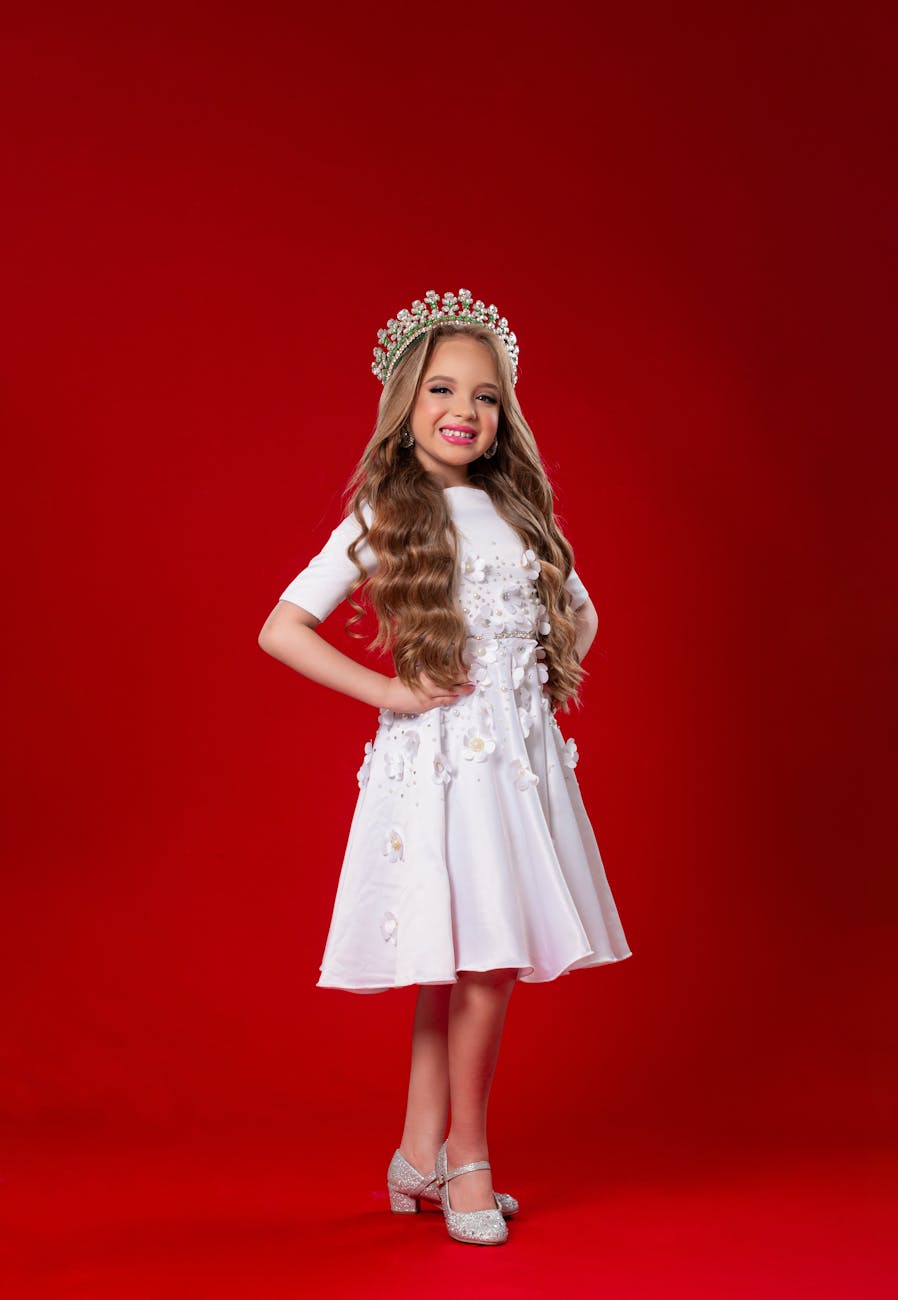
One parent I worked with discovered that their child felt confident and expressive during beauty pageants. Supporting this interest helped build her overall self-esteem and confidence—strengths that gradually transferred into the classroom environment. Encouraging extracurricular activities that a child enjoys can be a powerful support.
2. Use Technology as a Bridge

While speaking face-to-face was difficult, the student I worked with was more comfortable communicating over technology. We set up short FaceTime sessions with the teacher after school to help build rapport in a low-pressure setting. This became a stepping stone for in-person interactions.
3. Start with Simple Questions

To build trust, the teacher began with closed-ended (yes/no) questions. The student could respond with a single word, a nod, or even a thumbs up. These small wins built her confidence without overwhelming her.
4. Offer Small Group Support

The student joined small group sessions focused on managing stress, building self-confidence, and practicing social skills in a safe, low-pressure setting.
5. Use Nonverbal Communication Tools

Nonverbal cues helped the student express needs and participate without speaking. We used:
- Hand signals (e.g., a specific signal for needing a bathroom break)
- Picture cards to communicate choices or feelings
- Visual schedules to reduce anxiety about transitions
6. Leverage Helpful Apps

Some technology tools helped students express themselves more comfortably.
- Puppet Pals and ChatterPix allowed kids to record messages or tell stories using animated characters.
- Some speech-generating apps let students tap a picture or type a response, which the iPad then read aloud (ask your school’s special education team for app suggestions—they may have a favorite go-to!).
7. Collaborate on a Speech Hierarchy

Working with the speech-language pathologist, we created a personalized hierarchy of speaking goals—from nonverbal communication to whispering to speaking aloud in safe settings. This gradual approach helps reduce pressure and track progress.
8. Explore Animal-Assisted Interventions

Therapy animals can be incredibly calming for students with anxiety. Animal Assisted Interventions have shown success in helping students feel more relaxed and open to interaction. It’s worth exploring!
9. Use Pre-Recorded Presentations

If a student needs to present something to the class (like during show and tell), allow them to record a video at home. The teacher can then play it for the class. This keeps the child involved without triggering anxiety.
10. Build Relationships in Low-Stress Settings

Setting up casual one-on-one time with teachers (like lunch bunches or after-school games) can help the student bond with adults in a relaxed, pressure-free way. Relationship-building is key to creating a safe space for communication.
Resources
Selective Mutism Association
American Speech-Language-Hearing Association
Tips for Parents
Child Mind Institute Guide to SM
Teachers Guide from Child Mind Institute
Books
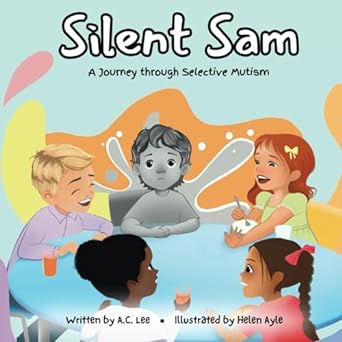
The story of Sam, a 6 year old boy who enjoys playing sports and spending time with his family. He recently started elementary school in hopes of making new friends, playing at recess, and exploring his new classroom. But after only the first week, Sam began to discover his inability to speak.
For ages 4-8.
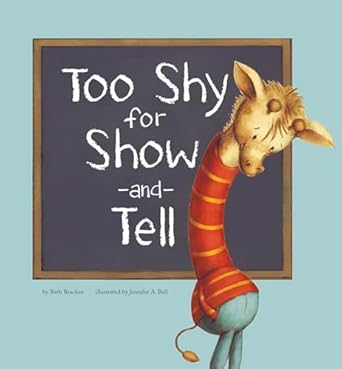
Sam is a quiet little boy who hates show-and-tell. Just thinking about it makes his stomach hurt. Sam must find a way to conquer his fear of show-and-tell.
For ages 4-6.
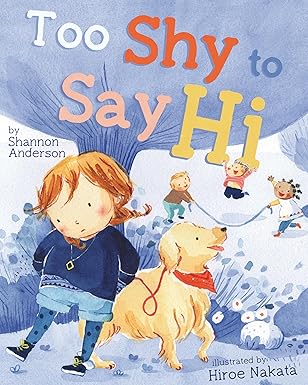
Shelli used to be pretty content in her little world, thinking that her pet friends with feathers, fins, and fur were enough. Her bird would keep her company at home, her fish would hideaway in his cave, and her dog was the social butterfly of the neighborhood. Includes a Note to Parents and Caregivers by Elizabeth McCallum, PhD, with more information about shyness and social anxiety.
For ages 5-9.
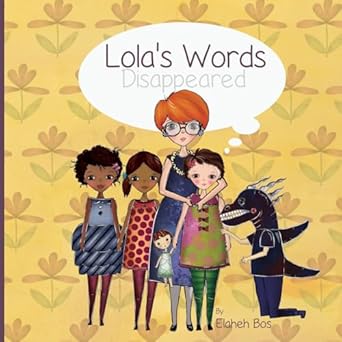
As Lola starts school, something strange happens. Her words disappear! Now Lola must find new ways to give her words the courage to come back. A fun and practical introduction to different techniques of anxiety management, specifically used for children with selective mutism.
For ages 8-12.

Maya is a bright-eyed, inquisitive little girl who loves to share her sweet voice. But when she starts school, she loses the confidence to use her voice and goes about her school day in silence. With time, patience, understanding, and love from all those around her, Maya discovers her sweet voice.
For ages 4-6.

Follow Oreo on his journey as he starts puppy school. Here, he will learn that everyone is scared of something, and practice is the key to overcoming your fears.
Mute dog was written by 8 year old twin girls who suffer from social anxiety and selective mutism.
More resources for counselors and caregivers


Pin For Later

 Pawsitive School Counselor
Leave a comment