Introducing yourself and clearly stating your role is essential when developing rapport and creating a system based on effective communication.
There are so many fun lessons to do this, but what about when students already know you?
Focus on counselor characteristics
Consider talking about qualities that make school counselors an invaluable part of the school community. For example, I talk to students about how counselors don’t “solve” student problems, but rather we are good listeners that help that empower them to be problem solvers.
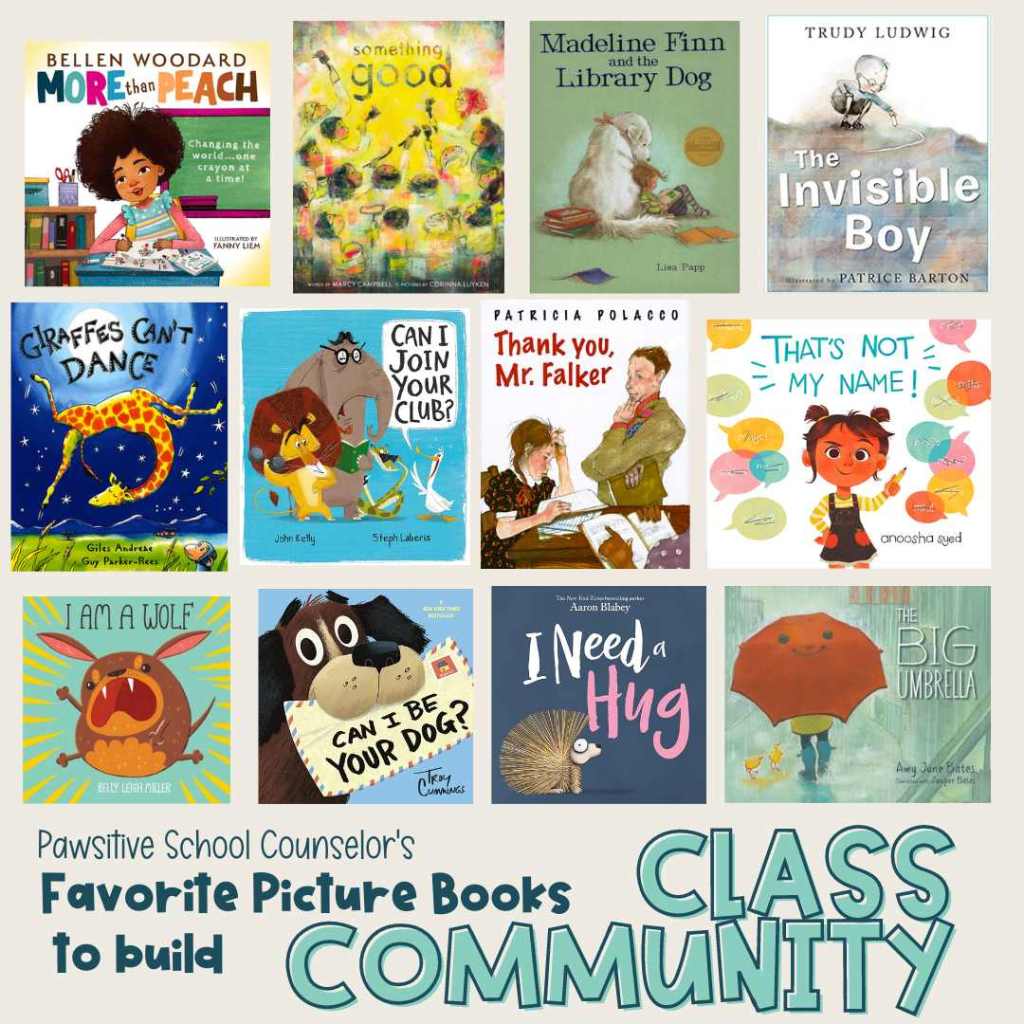
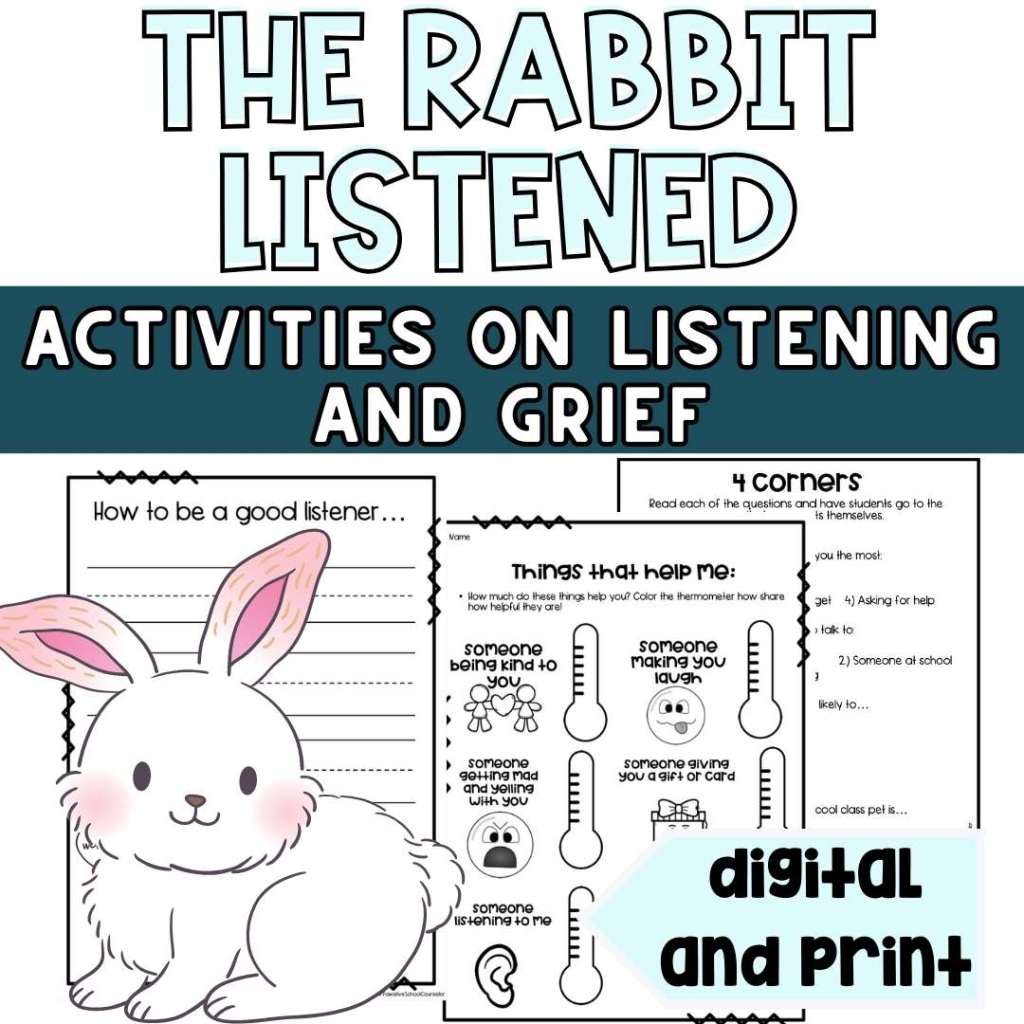
There are so many great books, like “The Rabbit Listened” to talk to students about qualities of a good listener.

After we talk about the qualities and skills of listening, we talk about they can be good listeners as well.
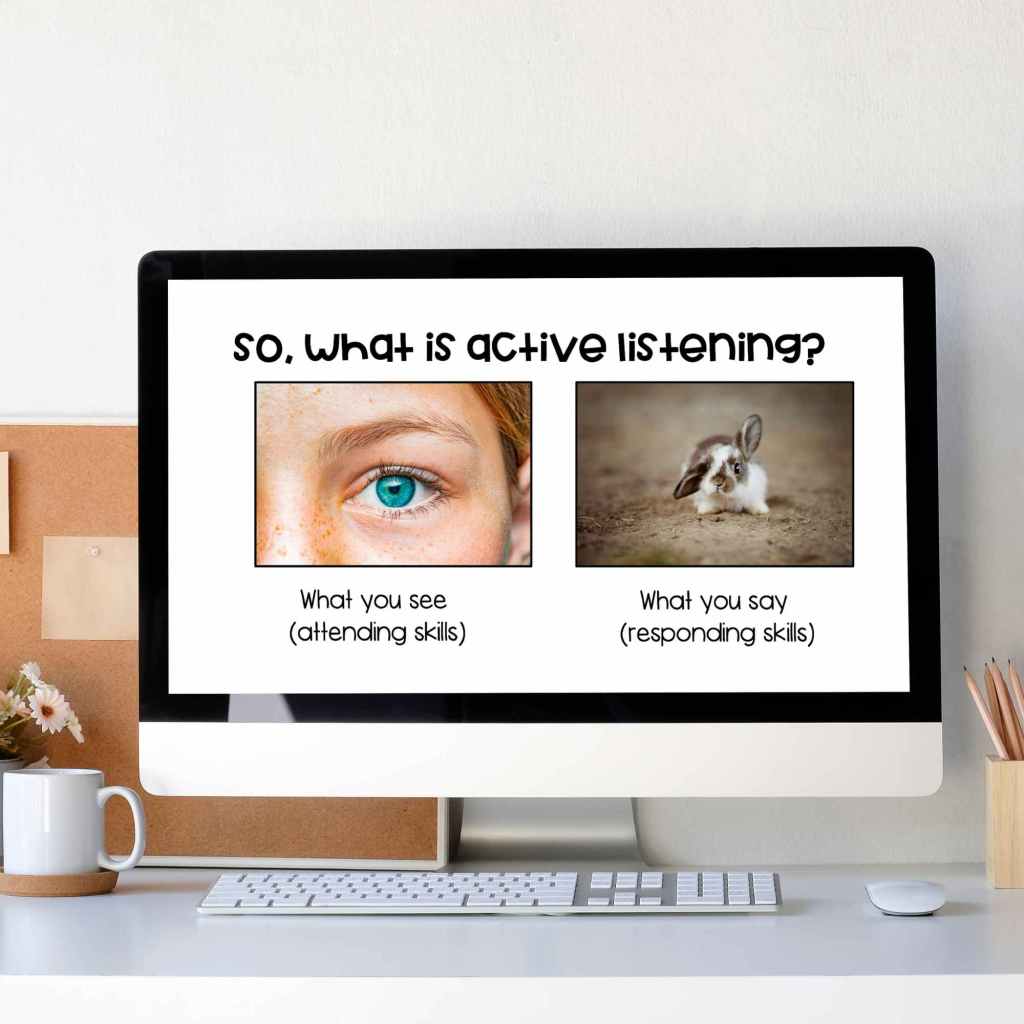
After some active listening discussion and role play, we play a fun listening game like “I Have, Who Has” to practice what we’ve learned.
You can find my lessons on mindful listening here.
You can also talk about other qualities of a counselor like empathy, patience, organization skills, etc.
Focus on a counseling domain
The perception among younger students may be that counselors only address emotional issues, while older students might think that counselors are only responsible for scheduling and college applications. This lesson is an opportunity to remind them of the three main areas within a counselor’s domain: social/personal, academic, and career.

For example, you could read “Who Will I Be?” and talk to students about how they want to be remember and how school counselors help students become the best version of themselves.
Here are some more fun book and domain/topic ideas:
The Sunday Blues or The Kissing Hand– discuss separation anxiety, how to manage it, and how counselors help students cope with change and sadness.
What Should Danny Do or What Should Darla Do– discuss choices and consequences and how counselors help us make thoughtful ones.
“The Three Ninja Pigs,” “A Little Spot of Organization,” or “Totally Tardy Marty“- discuss study skills, attendance, and healthy academic habits.
Focus on teamwork and community
I love to set the stage of teamwork and community as we kick off the new year. All of my lessons include cooperative learning activities , so modeling, practicing, and debriefing on the foundations of teamwork help my expectations, just as teachers review their classroom expectations.

Similarly, fostering empathy is best achieved by learning more about one another. Use this lesson to encourage students to understand each other and you on a deeper level.
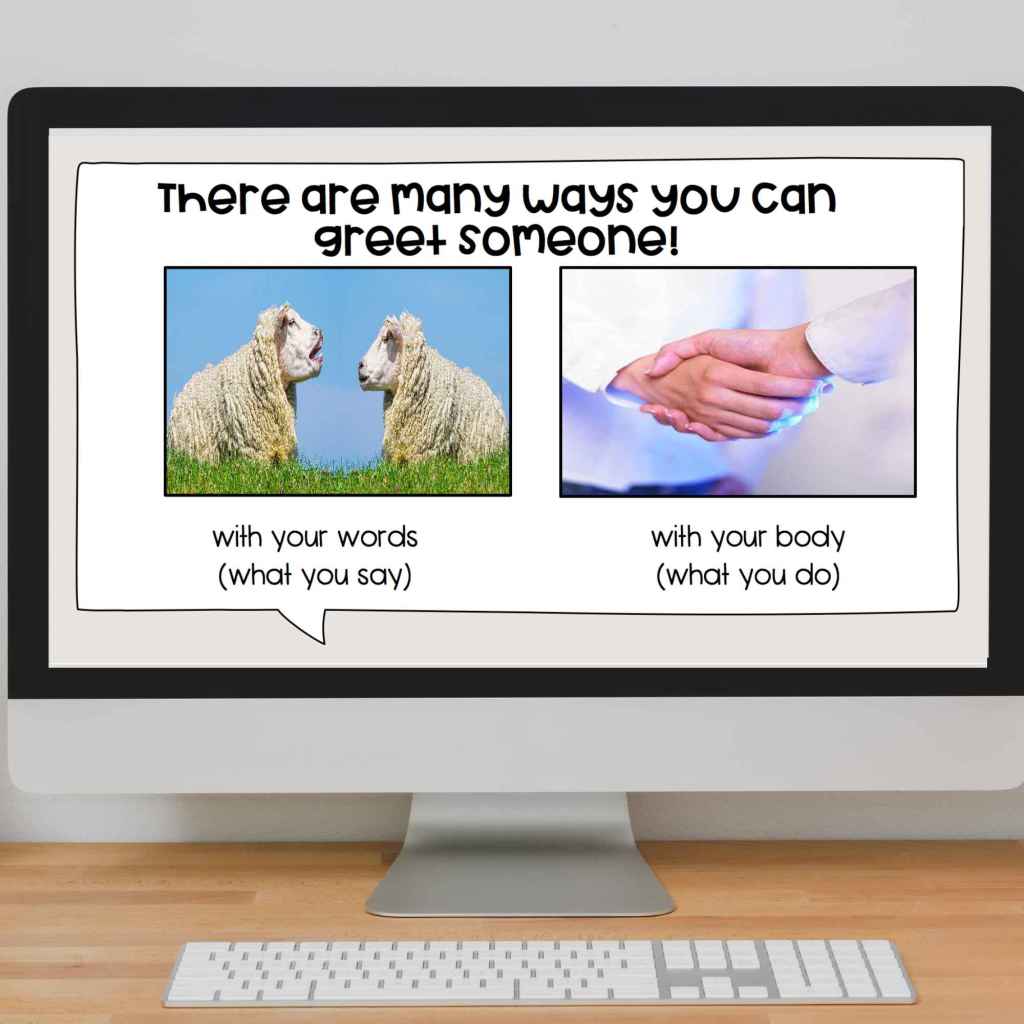
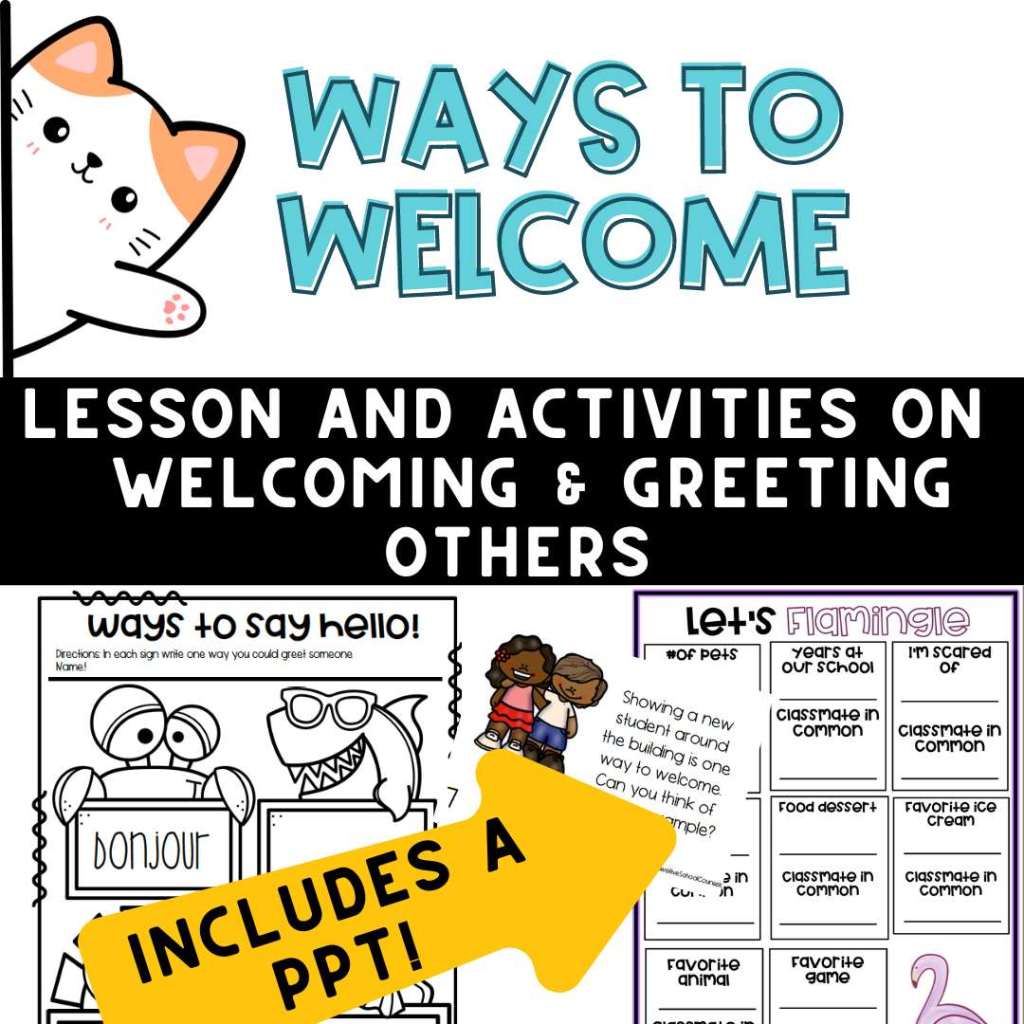
Just like the other skills I teach them, I also explicitly teach them how to appropriately greet each other during this lesson. We will then practice this skill the entire year.

Focus on problem size and trusted adults
At the start of the school year, I find it helpful to teach or review the concept of different sizes of problems with students. This review helps make my referral system even more efficient when I spend time reviewing problems they can solve themselves vs. problems they need an adult’s help with.
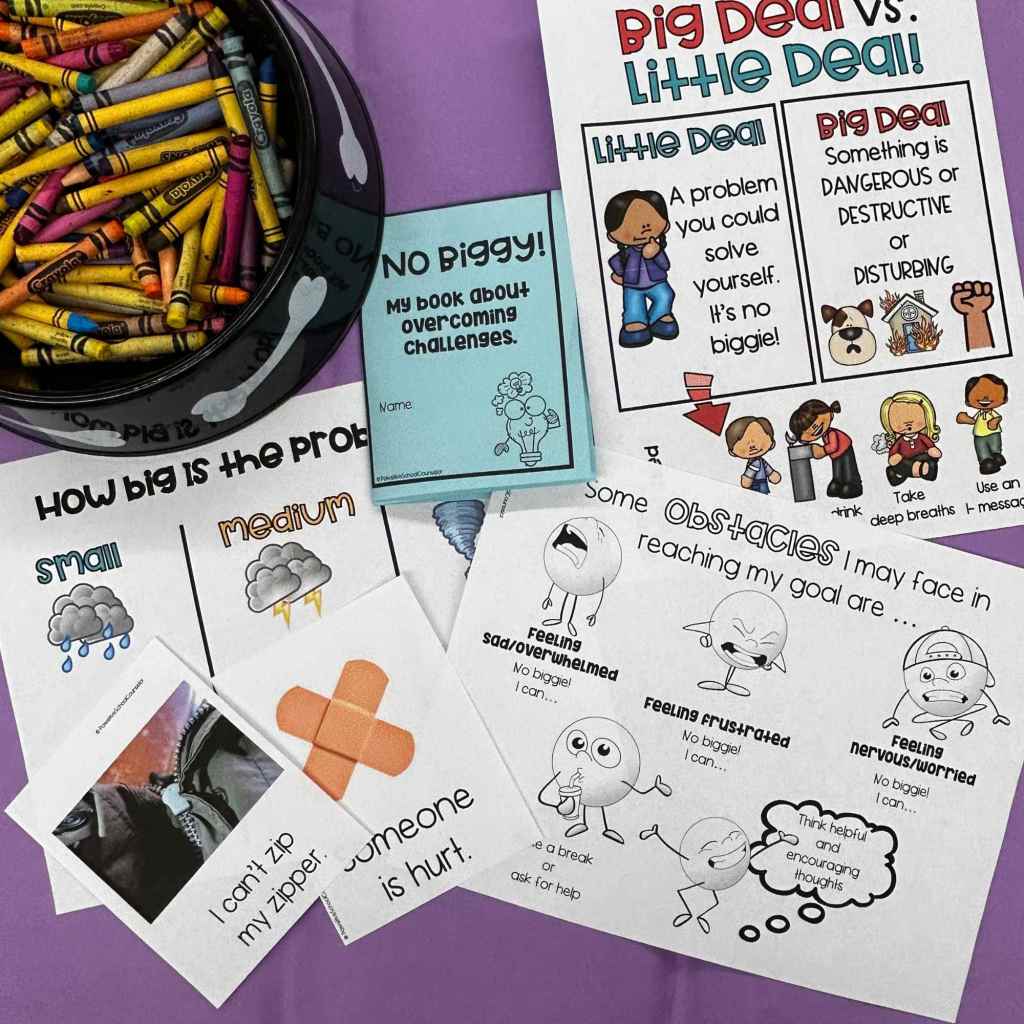
We delve into the distinction between problems within or outside of our control, minor versus major problems, and identifying trusted adults, including school counselors, whom they can confide in about their more significant problems. Additionally, it’s essential to take this time to revisit the topic of confidentiality and its boundaries.

Focus on helpful behavior choices
Similar to how teachers go over their expectations at the beginning of the school year, I believe it’s important to have a conversation with students about how their positive behavior choices can contribute to a successful and productive academic year.

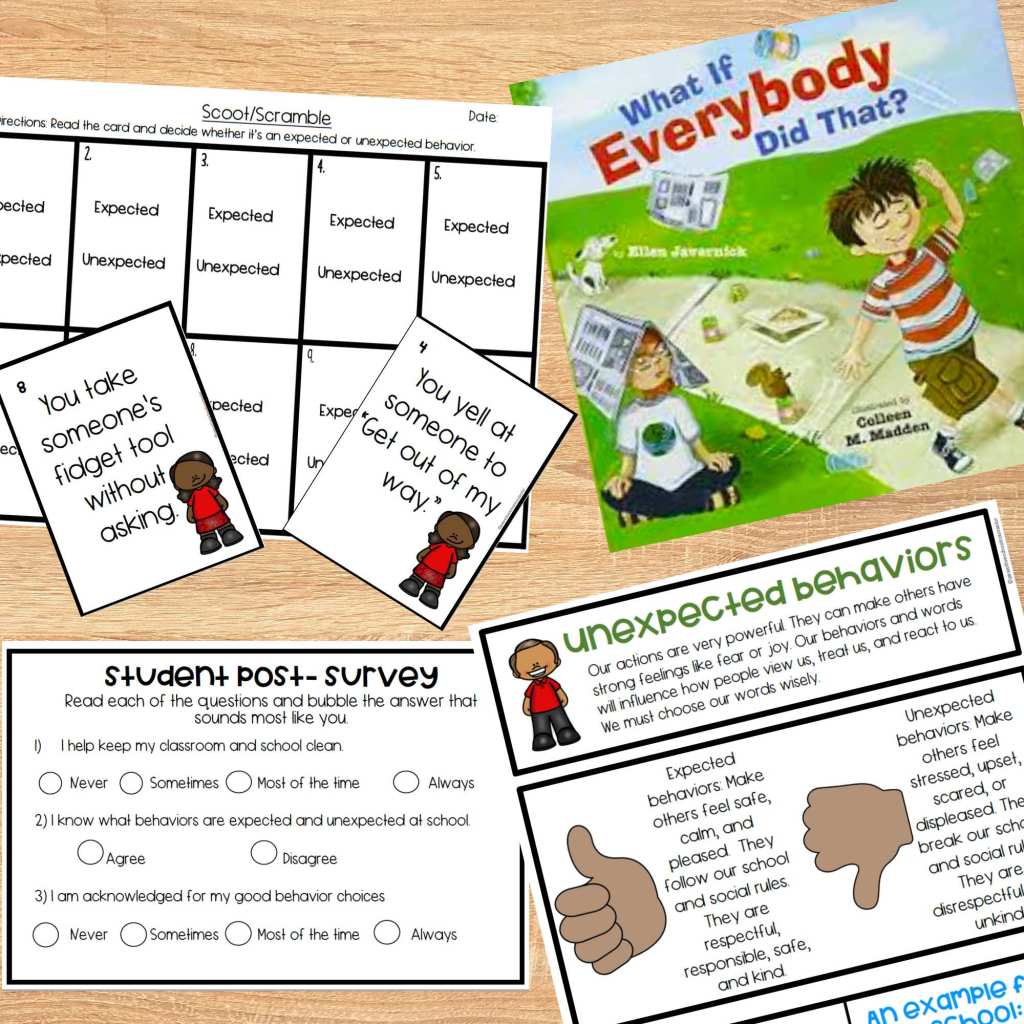
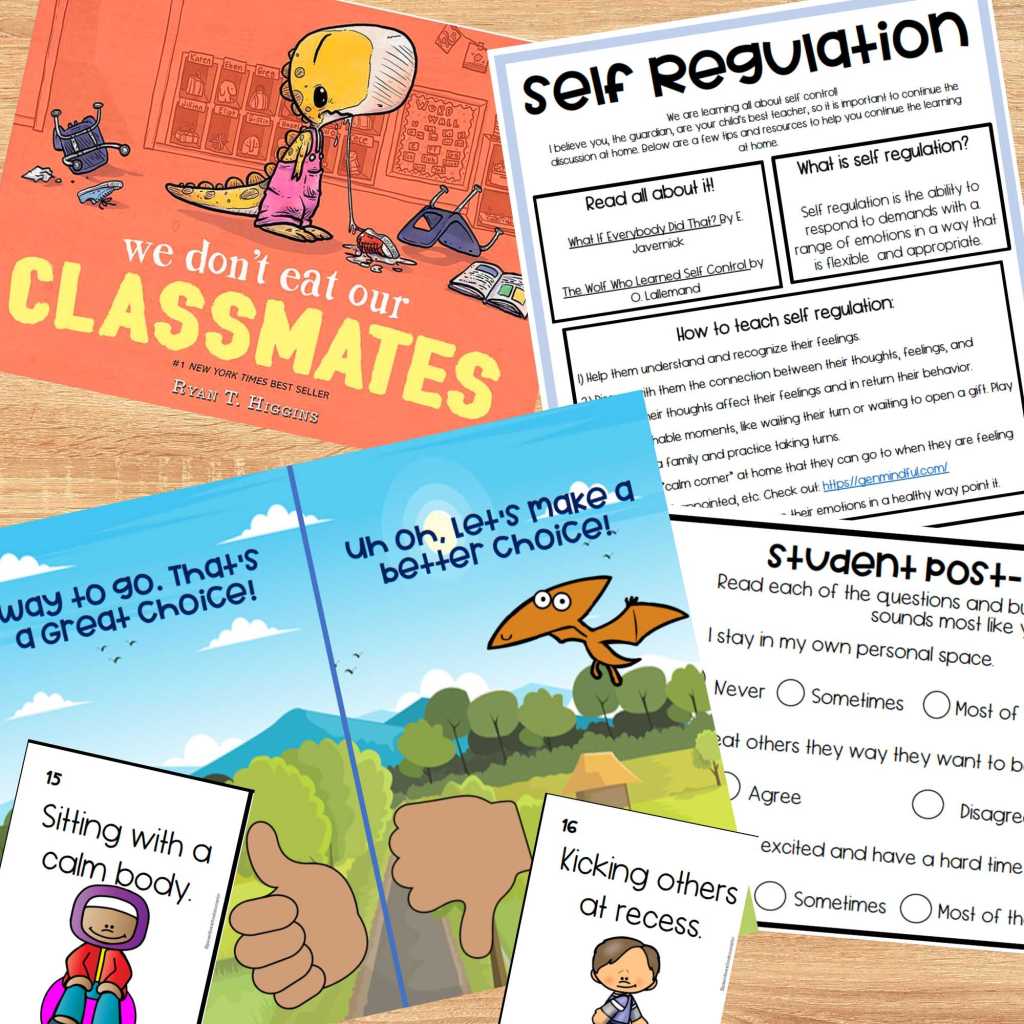
We do this by reading books, playing games like “Scramble,” differentiating between helpful and unhelpful choices, discussing how we want to make others feel and the behaviors that can lead to these feelings, and prompting students to self-reflect through surveys and mindful moments.
Two books I love are “What If Everybody Did That” for older students (find it here on Amazon) and “We Don’t Eat Our Classmates” for younger students (find it here on Amazon).
Pin For Later

Shop The Post


 Pawsitive School Counselor
Leave a comment