Introducing the School Counselor in Younger Grades 💛
School has started, which means my lessons are in full swing.
A new school year means lessons are in full swing—and in the younger grades, we start with something incredibly important: feelings.
We spend time learning to name our emotions and practice coping with the tough ones like disappointment, loneliness, and anger. This naturally opens the door to an important conversation:
Who helps us when our feelings feel big?
That’s where the school counselor comes in.
I explain that my job isn’t just about schedules or problem-solving—it’s about helping students understand their feelings and learn tools to manage them. School counselors help you calm down, solve problems, and figure out what’s really going on inside.
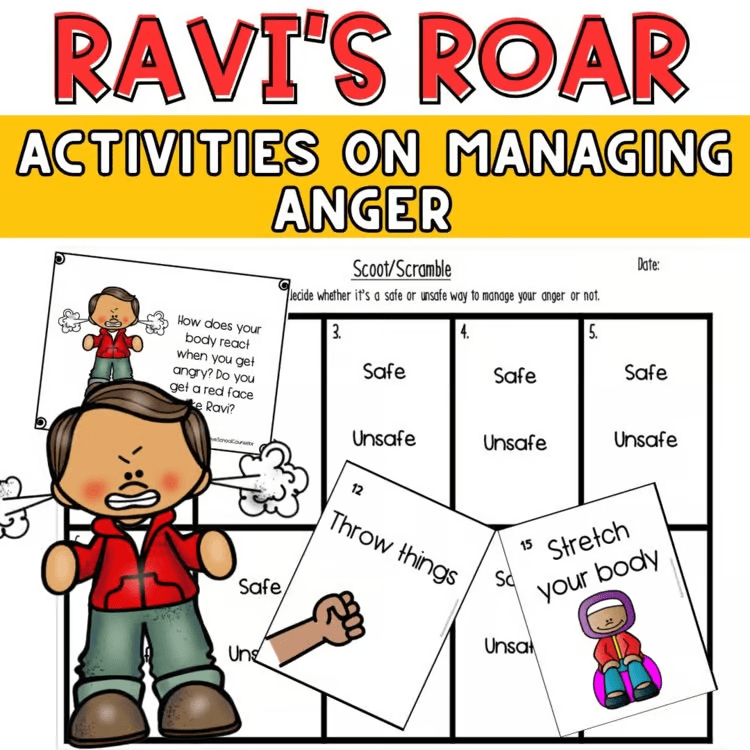
One of my favorite read-alouds for this lesson is Ravi’s Roar. It tells the story of Ravi, who feels so left out that he turns into a roaring tiger! Students instantly connect to his big reaction—and it gives us the perfect opportunity to talk about how anger is often a “cover feeling.”

Using my book companion activity set, we explore:
- How to “tame our anger tiger”
- What feelings might be hiding underneath anger
- What coping tools we can use when emotions get big
To reinforce those calming strategies, we pair the story with the Sesame Street Belly Breathing video. It’s a simple, kid-friendly way to practice slowing down our bodies and calming our minds.
When students leave the lesson, I want them to know one clear message:
You don’t have to handle big feelings alone. That’s what I’m here for. 💛
Get Ravi’s Roar here.
Get the book companion here.
Introducing the School Counselor in Middle Elementary ✨
With my middle elementary students, we shift the focus a bit. We start exploring how school counselors listen carefully and help students see challenges from a new perspective.
I begin with a simple activity. I give students one minute to create a large, free-draw “scribble.” No plan. No overthinking. Just draw.
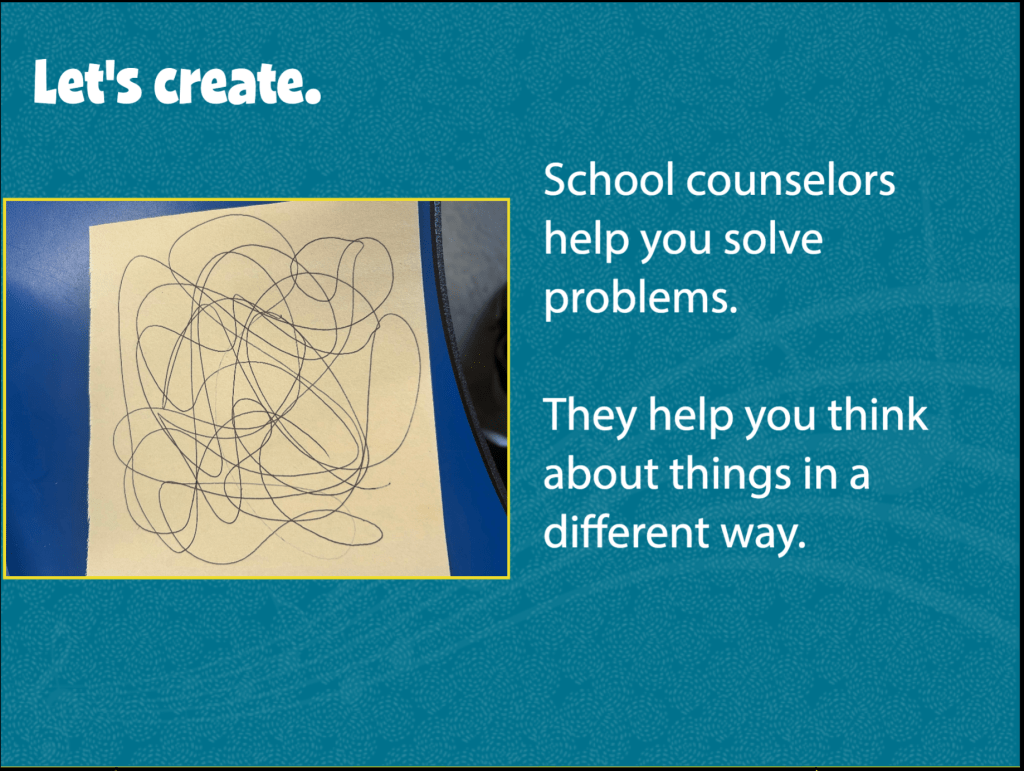
Then we pause and talk:
What happens when things don’t go as planned?
What do we do when we make a mistake?
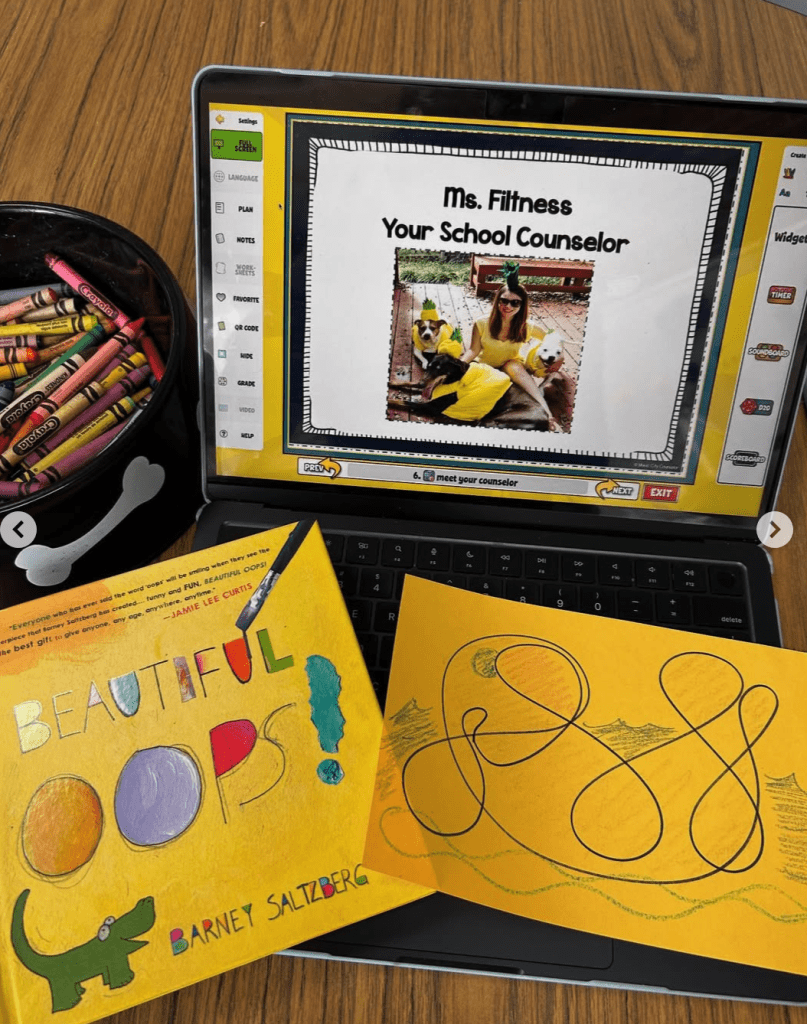
Next, we read Beautiful Oops! and use it as inspiration to transform our scribble “mistakes” into something creative and meaningful.
This becomes the bridge to a powerful counseling message:
I don’t have a magic wand to make problems disappear.
I can’t erase mistakes or solve problems for you.
But I can:
- Listen without judgment
- Help you slow down and think
- Support you in seeing the situation differently
- Help you focus on what is within your control
Just like we turned a random scribble into something new, we can also take a mistake, a problem, or a tough situation and reshape it. We may not control everything that happens—but we can choose how we respond and what we create next.
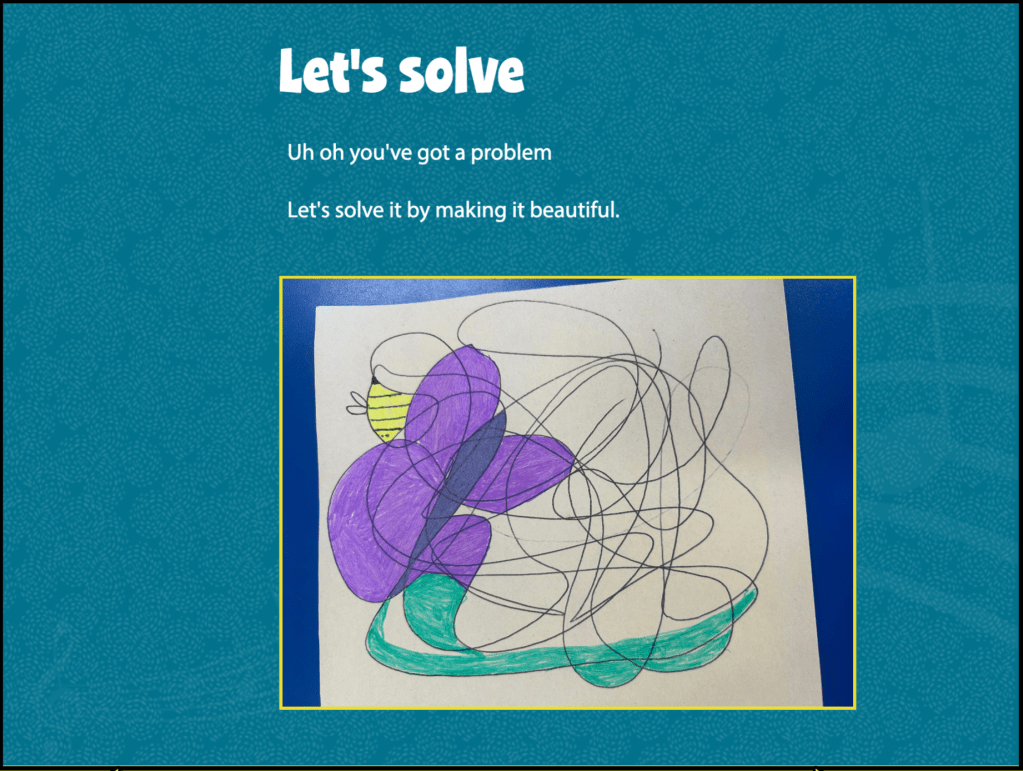
That’s the heart of school counseling: helping students move forward with confidence, perspective, and tools they can use long after they leave my office. 💛
Get Beautiful Oops here.
Introducing yourself in older grades
In the upper grades, I like to mix up our first lessons together. I infuse class expectations, empathy, meeting the school counselor, and teamwork into one lesson.
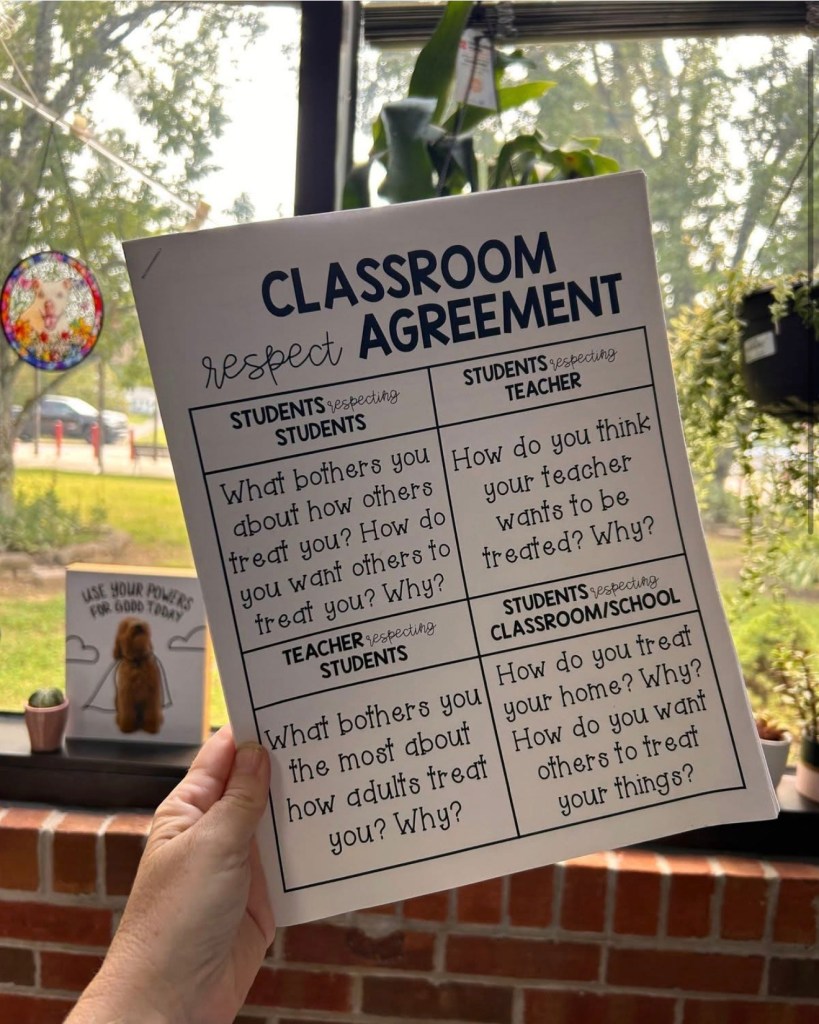
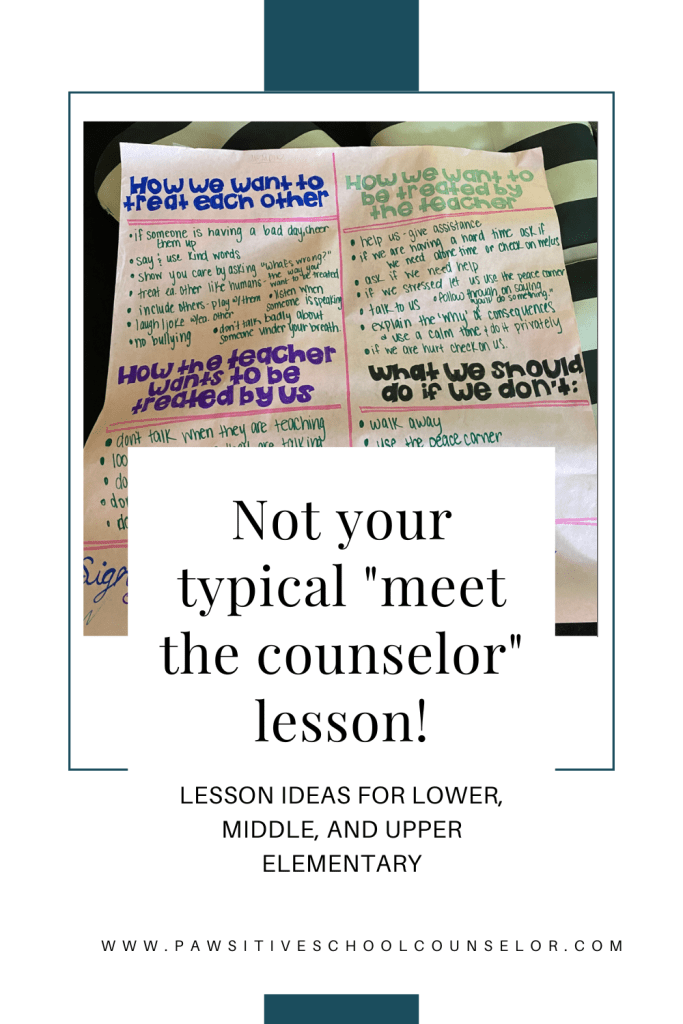
We do this by creating a “Class Agreement”! The agreement outlines how we plan to treat each other, how they want the teacher to treat them, and how we can peacefully problem solve.
We ask big questions like:
— How do we want to treat each other?
— How should we treat our teacher—and how do we want to be treated in return?
— How do we care for our school?
— And what happens when we mess up?
These conversations help build trust, community, and shared responsibility. And it’s not just a beginning-of-the-year activity—we revisit our agreement all year long to reflect, repair, and restore.
How it works:
I like to introduce the class agreement by asking students to describe how they feel when they are at their best. Then I ask them to describe a time at school when they felt this way. We use their answers to inspire our class contract.

Things to note:
I facilitate this lesson without the classroom teacher present because I think it facilitates an open and honest conversation about how they want their teacher to treat them. For example, one class told me they wished “their teacher talked slower.”
As we discuss this I talk about how “teacher” could mean me, a special area teacher, or really any adult in the building. As we talk we continue expand the conversation to how we will treat each other throughout the building.
At the end, we all sign an agreement. This year many of my students called it their “Declaration of ___’s class” as it aligned with what they were learning about in social studies.
At the end of class, I take a picture of the agreement and then give the copy to their teacher. (P.S. This fast-talking teacher laughed and agreed that I do need to slow down.)
Get a copy of the agreements here:
Shop The Post
Pin For Later
 Pawsitive School Counselor
Leave a comment