I’m not kidding—I use The Invisible Boy by Trudy Ludwig every single year, and it never gets old. It’s one of my absolute favorite lessons because it’s thoughtful, engaging, and sparks powerful conversations with students of all ages.
This book opens the door to rich discussions around inclusion, exclusion, empathy, welcoming new students, kindness, and classroom community.
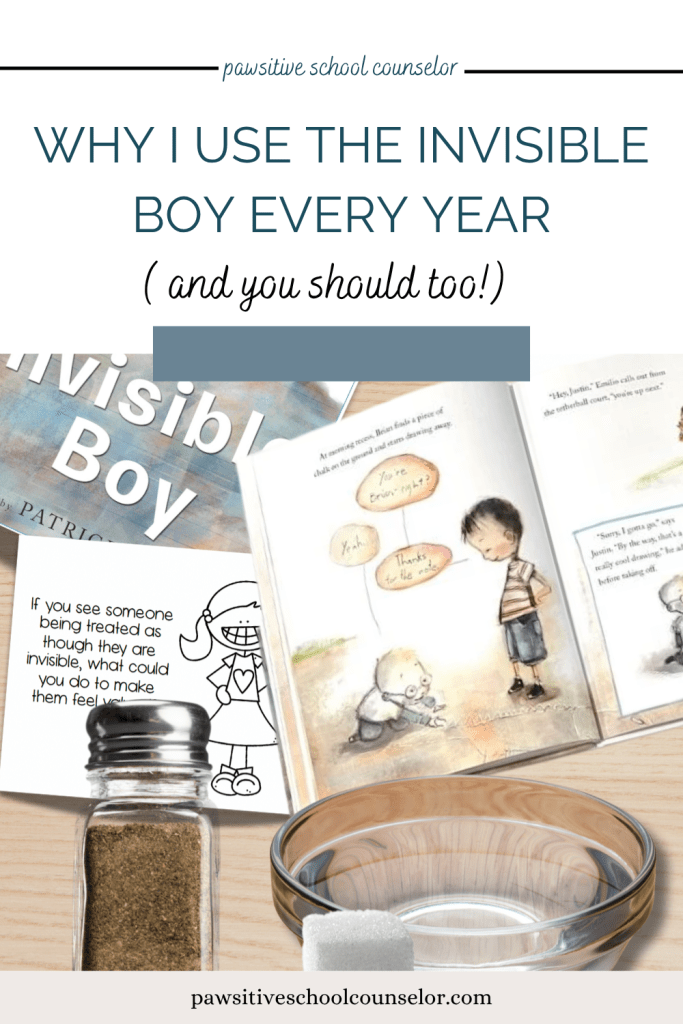
The Heart of the Story
The Invisible Boy introduces us to Brian, a quiet student who often feels unseen and left out. Instead of telling students he’s being bullied, I ask them to think critically:
“Does Brian’s experience fit the definition of bullying?”
This question always leads to powerful conversations about intention, the emotional weight of being excluded, and how just one person can make a difference.
“Which do you think is worse: being invisible or being laughed at?” I let students stand to show their answer and then I lead a Socratic seminar or friendly debate allowing time for students to share their reasoning.
Pre-Reading Activity: The “Pepper People” Experiment
This simple science experiment sets the stage for empathy and inclusion:
What You’ll Need:
- A shallow plate or bowl
- Water
- Ground pepper
- Dish soap or bar of soap
- Sugar
Steps:
1. Pour water into the plate and sprinkle in the pepper. Tell students, “These are our pepper people—representing a community that sticks together. They are people in our class, grade, school, town, etc.”
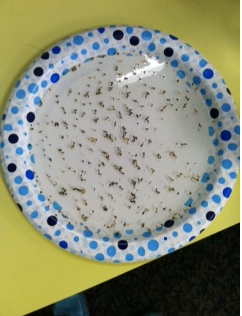
2. Add a drop of dish soap to the center. The pepper quickly scatters away.
Ask: “What might cause people to move away from someone?”
Students may say the soap is a bully, someone who’s different, or even just a new kid.

3. Introduce vocab: exclusion and inclusion. Ask: “Why might someone be left out? How does that feel?”
One student even noted that some pepper clung to the soap— maybe to support or include them.
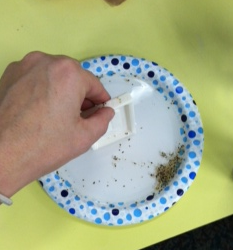
4. Add sugar to the center. As the sugar dissolves, the pepper starts to come back.
This visual sets up the idea that kindness (our “sugar”) can help bring people together again.

5. Debrief. Discuss what examples of inclusion and exclusion they saw and cue them to figure out which characters in the story represent the pepper, soap, and sugar.
Reading the Book
As I read The Invisible Boy, I pause to make connections:
- Who is the soap?
- Who are the pepper people?
- Where do we see inclusion or exclusion happening?
Students often make strong text-to-life connections, and many open up about their own experiences with feeling invisible or left out.

Interactive Game: Ask, Ask, Switch
To deepen the discussion, we play Ask, Ask, Switch using questions from the back of the book plus a few of my own.
Some favorites:
- “What do you think exclusion means?”
- “Do you think exclusion is bullying?”
- “What food have you tried from another country?”
I model how to play and emphasize active listening. Students practice restating what they hear:
💬 “I heard you say that you think…”
💬 “So you’re saying…”
It’s always amazing to see how well they listen and reflect on one another’s ideas.
Never played? Here’s a quick video about the game. Please note: the teacher in this video plays the game slightly differently. When we play we don’t show each other the task card, we read it to each other.
Closing the Lesson: The Power of One Kind Act
We wrap up with a beautiful message: It only takes one “sugary sweet” act of kindness to change someone’s experience. As I say this, I pour sugar into the plate where the soap was, and the pepper slowly comes back together.
To finish, we watch a short video about inclusion and talk about what we can each do to help others feel seen and valued.
Exit Ticket
I created a Kahoot! to gauge my students understanding and it’s a quick and fun way to gather data. Click here to play the Kahoot!
This lesson is more than just a book reading—it’s a community-building experience that kids remember. If you want to bring it to your classroom or counseling sessions, check out my discussion cards, lesson, and additional resources:
Get my book companion here.
Bonus Resource: Aligned with Common Core
I love this lesson so much that I shared it with a teacher friend back in 2013—and she loved it too! She even created a blog post connecting the lesson to Common Core standards, making it easy to bring into the classroom.
📥 You can download the PDF here and explore even more great lessons and resources on Trudy Ludwig’s official website.
This book truly keeps giving year after year!
Shop The Post

Find the book on Amazon here.
Pin For Later

 Pawsitive School Counselor
Leave a comment